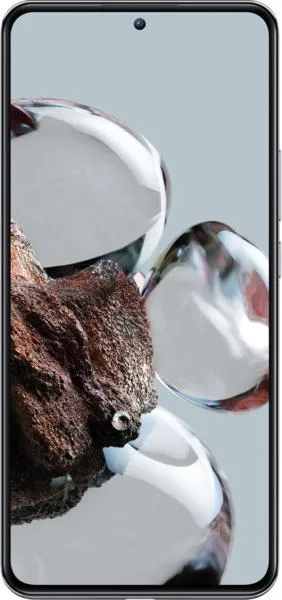
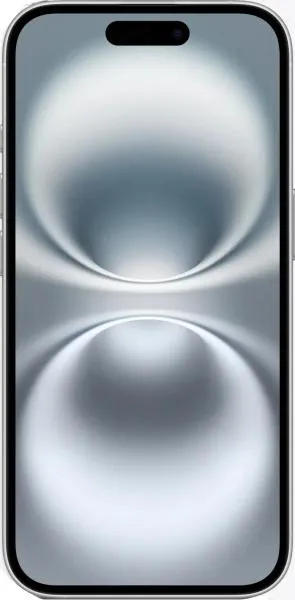
Let's dive into a comprehensive comparison of the Xiaomi 12T and the Apple iPhone 16, dissecting their technical specifications and translating them into real-world implications for you.
1. Specifications Breakdown
| Feature | Xiaomi 12T | Apple iPhone 16 | Real-World Implications |
|---|---|---|---|
| Design | |||
| Dimensions | 163.1 x 75.9 x 8.6 mm | 147.6 x 71.6 x 7.8 mm | iPhone 16 is noticeably smaller and lighter, making it more pocketable and comfortable for one-handed use. |
| Weight | 202g | 170g | |
| Display | |||
| Size | 6.67" | 6.1" | Xiaomi 12T offers a larger screen for more immersive media consumption and multitasking. |
| Resolution | 1220 x 2712 | 1179 x 2556 | Both offer sharp visuals; Xiaomi 12T's higher resolution might be noticeable in side-by-side comparisons. |
| Type | AMOLED | OLED | Both offer vibrant colors and deep blacks. |
| Refresh Rate | 120Hz | (Unspecified) | 120Hz on the Xiaomi 12T results in smoother scrolling and animations. |
| Performance | |||
| Chipset | Dimensity 8100 Ultra | Apple A18 | A18 is expected to deliver superior performance and efficiency due to newer architecture and manufacturing process. |
| CPU | Octa-core | Hexa-core | |
| GPU | Mali-G610 MC6 | Apple GPU (5-core) | Apple's GPU generally offers a performance advantage in graphics-intensive tasks. |
| RAM | 8GB | 8GB | Both offer ample RAM for smooth multitasking. |
| Camera | |||
| Main Camera | 108MP Samsung HM6 | 48MP Sony IMX904 | Megapixels alone don't determine image quality; real-world testing will reveal the better camera. |
| Ultrawide | 8MP | 12MP | iPhone 16 likely has a more capable ultrawide camera. |
| Selfie Camera | 20MP | 12MP | |
| Battery Life | |||
| Capacity | 5000mAh | 3561mAh | Xiaomi 12T has a significantly larger battery, suggesting longer usage time. |
2. Key Insights
Xiaomi 12T: Offers a compelling combination of a large, high-refresh-rate display, a large battery, and a competitive price. Its strengths lie in media consumption, multitasking, and potentially longer battery life.
Apple iPhone 16: Expected to excel in raw performance, graphics processing, and overall camera quality, leveraging Apple's tightly integrated hardware and software. Its compact design and premium feel will appeal to users prioritizing portability and aesthetics. The A18 Bionic chip promises a significant performance leap over the Dimensity 8100 Ultra.
3. User Profiles and Recommendations
Xiaomi 12T: Ideal for users who prioritize a large screen, long battery life, and value for their money. Heavy multimedia users, gamers on a budget, and those who prefer the Android ecosystem would find the 12T a good fit.
Apple iPhone 16: Best suited for users who value performance, a seamless user experience within the Apple ecosystem, and a compact form factor. Those who prioritize mobile photography, videography, and demanding applications would lean towards the iPhone 16.
4. Buying Decision Framework
Questions to Ask:
- What is your budget? The Xiaomi 12T is generally more affordable.
- What screen size do you prefer? The Xiaomi 12T offers a larger display.
- Which operating system do you prefer? Android (Xiaomi 12T) vs. iOS (iPhone 16).
My Choice
If I were choosing between these two, I'd opt for the iPhone 16. While the Xiaomi 12T offers a compelling value proposition with its impressive screen and battery, I prioritize the consistently smooth performance, superior camera quality (anticipated based on Apple's track record), and the cohesive iOS ecosystem that the iPhone 16 is likely to offer. The A18 Bionic's expected performance gains and the generally better image processing found in iPhones are significant factors for me. Although the smaller battery is a drawback, the A18's efficiency might mitigate this difference in real-world usage. Ultimately, the iPhone 16 aligns better with my needs for a powerful, reliable, and pocket-friendly device.
