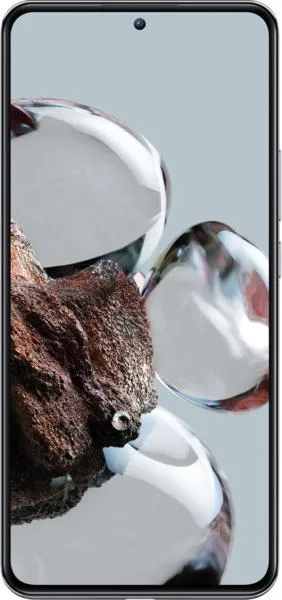
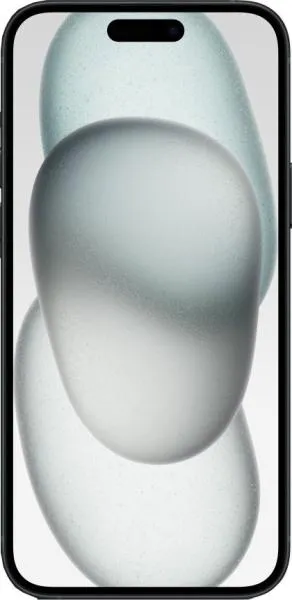
Xiaomi 12T vs. Apple iPhone 15 Plus: A Deep Dive
Let's dissect the Xiaomi 12T and the Apple iPhone 15 Plus, going beyond the spec sheet to understand what these phones offer in the real world.
1. Specifications Breakdown
| Feature | Xiaomi 12T | Apple iPhone 15 Plus | Real-World Implications |
|---|---|---|---|
| Design | |||
| Dimensions (mm) | 163.1 x 75.9 x 8.6 | 160.9 x 77.8 x 7.8 | iPhone 15 Plus is slightly smaller and thinner. |
| Weight (g) | 202 | 201 | Negligible weight difference. |
| Build Materials | Glass front/back, | Glass front/back, | Both offer premium build quality but may be prone to cracking. |
| aluminum frame | aluminum frame | ||
| Display | |||
| Size (inches) | 6.67 | 6.7 | Virtually identical screen real estate. |
| Resolution (px) | 1220 x 2712 | 1290 x 2796 | iPhone has a slightly sharper display. |
| Type | AMOLED, 120Hz | Super Retina XDR OLED | Both offer vibrant colors and deep blacks; Xiaomi boasts a faster refresh rate for smoother scrolling and animations. |
| Performance | |||
| Chipset | Mediatek Dimensity 8100 | Apple A16 Bionic | A16 offers significantly higher CPU and GPU performance. |
| RAM (GB) | 8 | 6 | More RAM in the Xiaomi could aid multitasking, though iOS optimizes RAM usage efficiently. |
| OS | Android 12 (up to 14) | iOS 17 (expected updates for longer) | Android offers customization; iOS is known for simplicity and a longer software update cycle. |
| Camera | |||
| Main Camera (MP) | 108 | 48 | Higher megapixel count on Xiaomi doesn't guarantee better image quality; Apple emphasizes computational photography. |
| Video | 4K@30fps, up to 960fps slow-mo | 4K@60fps, up to 240fps slow-mo | iPhone offers higher resolution and frame rate video recording. |
| Battery Life | |||
| Capacity (mAh) | 5000 | 4383 | Xiaomi has a larger battery, potentially translating to longer usage time. Needs real-world testing to confirm. |
2. Key Insights
- Performance: The iPhone 15 Plus, powered by the A16 Bionic chip, significantly outperforms the Xiaomi 12T in raw processing power. This translates to faster app loading, smoother gaming, and better overall responsiveness.
- Display: While both phones have excellent displays, the Xiaomi's 120Hz refresh rate provides a noticeable advantage in fluidity for everyday tasks. The iPhone's Super Retina XDR display might offer slightly better color accuracy and peak brightness.
- Camera: Megapixels aren't everything. Apple's computational photography prowess often results in superior image quality despite a lower megapixel count. The iPhone also offers more advanced video recording capabilities.
- Software: Android and iOS cater to different preferences. Android allows for greater customization, while iOS prioritizes ease of use and a longer software update cycle. This is a crucial factor for long-term ownership.
- Battery: The Xiaomi 12T boasts a larger battery, suggesting potentially longer battery life. However, real-world usage and optimization play a significant role, so this needs further investigation.
3. User Profiles and Recommendations
- Xiaomi 12T: Best suited for users seeking a value-packed phone with a smooth display, large battery, and the flexibility of Android. Ideal for media consumption, multitasking, and users who prioritize customization.
- iPhone 15 Plus: Ideal for users who prioritize performance, premium camera quality, a seamless user experience, and long-term software support. Excellent for demanding tasks, mobile gaming, and content creation.
4. Buying Decision Framework
- What is your budget? The Xiaomi 12T generally comes at a lower price point than the iPhone 15 Plus.
- What operating system do you prefer? Android offers flexibility and customization, while iOS is known for its simplicity and longer update cycle.
- What are your performance and camera needs? The iPhone 15 Plus excels in these areas, while the Xiaomi 12T offers a compelling balance of features.
My Choice: Apple iPhone 15 Plus
While the Xiaomi 12T offers excellent value, I would choose the iPhone 15 Plus. The A16 Bionic's superior performance, combined with Apple's consistent software updates and focus on user experience, aligns better with my priorities. I value long-term device usability, a robust app ecosystem, and a smooth, reliable operating system. Although the Xiaomi has a tempting 120Hz display and larger battery, the overall performance and software advantages of the iPhone 15 Plus outweigh those benefits for me. I'm also willing to invest more for the generally superior camera system and longer software update support that Apple provides.
