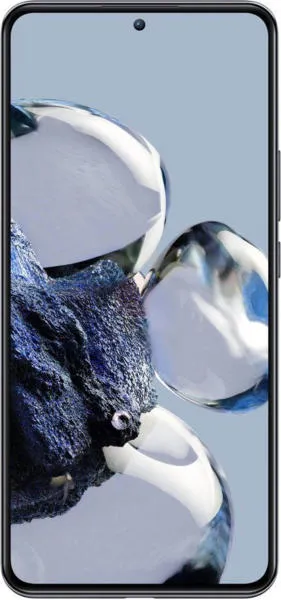
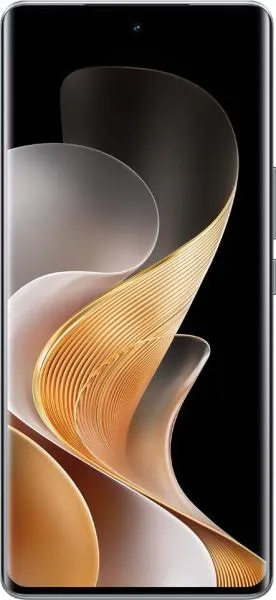
Xiaomi 12T Pro vs. vivo V40: A Deep Dive for the Discerning Smartphone User
Hello, fellow tech enthusiasts! Today, we're dissecting two compelling contenders in the mid-range smartphone arena: the Xiaomi 12T Pro and the vivo V40. Let's cut through the marketing jargon and delve into the real-world implications of their specifications.
1. Specifications Breakdown
| Feature | Xiaomi 12T Pro | vivo V40 | Real-World Implications |
|---|---|---|---|
| Design | |||
| Dimensions (mm) | 163.1 x 75.9 x 8.6 | 164.2 x 75 x 7.6 | V40 slightly taller, thinner |
| Weight (g) | 205 | 190 | V40 noticeably lighter in hand |
| Display | |||
| Size (inches) | 6.67 | 6.78 | V40 marginally larger screen |
| Resolution (px) | 1220 x 2712 | 1260 x 2800 | Both sharp, V40 slightly higher pixel density |
| Type | AMOLED | AMOLED | Vibrant colors, deep blacks on both |
| Refresh Rate (Hz) | 120 | 120 | Smooth scrolling and animations on both |
| Peak Brightness (nits) | 900 | 4500 | V40 significantly brighter outdoors |
| Performance | |||
| Chipset | Snapdragon 8+ Gen 1 | Snapdragon 7 Gen 3 | 12T Pro significantly more powerful for demanding tasks |
| CPU | Octa-core (1x3.19 GHz X2...) | Octa-core (1x2.63 GHz A715...) | 12T Pro faster for multitasking, gaming |
| RAM (GB) | 8/12 | 12 | Both offer ample RAM for smooth operation, but V40 has a slight edge in multitasking |
| Camera | |||
| Main Camera (MP) | 200 | 50 | 12T Pro boasts higher resolution, potentially more detail |
| Selfie Camera (MP) | 20 | 50 | V40 higher resolution selfie camera |
| Video | 8K@24fps, 4K@60fps | 4K@30fps | 12T Pro offers higher resolution and frame rate video recording |
| Battery Life | |||
| Capacity (mAh) | 5000 | 5500 | V40 larger battery, potentially longer lasting |
| Other | |||
| OS | Android 12 (up to 14) | Android 14 | V40 ships with a newer Android version |
2. Key Insights
- Performance Powerhouse: The Xiaomi 12T Pro, with its Snapdragon 8+ Gen 1, is a clear winner in raw performance. This translates to smoother gaming, faster app loading, and effortless multitasking. The vivo V40, while competent with the Snapdragon 7 Gen 3, won't handle intensive tasks as efficiently.
- Display Delight: Both phones feature stunning AMOLED displays with 120Hz refresh rates. However, the vivo V40's significantly higher peak brightness makes it a standout for outdoor visibility.
- Camera Conundrum: The 12T Pro boasts a massive 200MP main sensor, while the V40 opts for a 50MP sensor. While megapixels aren't everything, the 12T Pro's sensor, combined with superior video capabilities, likely delivers more detail and flexibility. The V40 counters with a higher-resolution selfie camera for sharper self-portraits.
- Battery Balancing Act: The vivo V40 packs a slightly larger 5500mAh battery compared to the 12T Pro's 5000mAh. However, the 12T Pro's more power-efficient processor could potentially offset this difference in real-world usage.
3. User Profiles and Recommendations
- Xiaomi 12T Pro: Ideal for power users, gamers, and content creators who demand top-tier performance and advanced camera features.
- vivo V40: Suited for users who prioritize a lightweight design, excellent display for media consumption, a capable camera system, and long battery life. It's a great all-arounder for everyday tasks and social media.
4. Buying Decision Framework
- What are your performance needs? Heavy gamer or multitasker? The 12T Pro is your champion.
- Is outdoor visibility crucial? The V40's brighter display wins hands down.
- What's your budget? Consider the price difference between the two models and weigh it against your needs.
My Choice: As a tech journalist who often pushes devices to their limits, I'd opt for the Xiaomi 12T Pro. The superior performance of the Snapdragon 8+ Gen 1 is crucial for my workflow. The advanced camera features, especially the 8K video recording, also align with my content creation needs. While I appreciate the V40's lighter design and brighter display, the performance difference is the deciding factor for me. However, if battery life and a stunning display for media consumption are paramount, the vivo V40 is an excellent choice.
