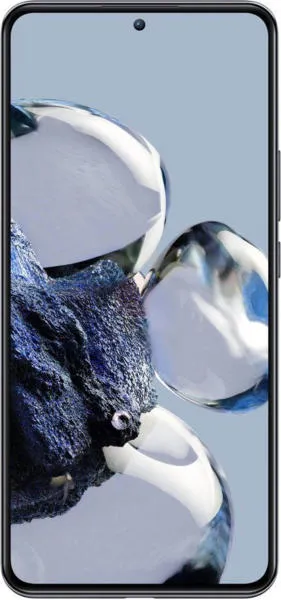

Xiaomi 12T Pro vs. OnePlus 12R: A Deep Dive for the Discerning Smartphone User
Hello fellow tech enthusiasts! Alex Griffin here, ready to dissect the Xiaomi 12T Pro and the OnePlus 12R. We'll go beyond the spec sheet and delve into what these numbers really mean for your daily life. Let's get started!
1. Specifications Breakdown
| Feature | Xiaomi 12T Pro | OnePlus 12R | Real-World Implications |
|---|---|---|---|
| Design | |||
| Dimensions (mm) | 163.1 x 75.9 x 8.6 | 163.3 x 75.3 x 8.8 | OnePlus 12R slightly larger, negligible difference in hand. |
| Weight (g) | 205 | 207 | Virtually identical, both feel substantial but not overly heavy. |
| Display | |||
| Size (inches) | 6.67 | 6.78 | OnePlus 12R offers slightly more screen real estate. |
| Resolution (px) | 1220 x 2712 | 1264 x 2780 | Both are sharp, but OnePlus edges out in pixel density. |
| Type | AMOLED | LTPO4 AMOLED | OnePlus uses potentially more power-efficient display tech. |
| Refresh Rate (Hz) | 120 | 120 | Smooth scrolling and animations on both. |
| Peak Brightness | 900 nits | 4500 nits | OnePlus 12R far brighter, excellent outdoor visibility. |
| Performance | |||
| Chipset | Snapdragon 8+ Gen 1 | Snapdragon 8 Gen 2 | OnePlus 12R has a newer, more powerful processor. |
| CPU | Octa-core | Octa-core | Both offer top-tier performance, but Gen 2 offers improvements. |
| RAM (GB) | 8/12 | 16 | OnePlus 12R offers significantly more RAM for multitasking. |
| Camera | |||
| Main Sensor (MP) | 200 | 50 | Xiaomi boasts higher resolution, OnePlus focuses on sensor quality. |
| Video | 8K@24fps | 4K@60fps | Xiaomi offers higher resolution video, OnePlus higher frame rate. |
| Battery Life | |||
| Capacity (mAh) | 5000 | 5500 | OnePlus 12R has a larger battery capacity. |
2. Key Insights
The Xiaomi 12T Pro, despite being a year older, packs a punch with its impressive 200MP main camera sensor. While megapixels aren't everything, this translates to incredibly detailed photos, especially in well-lit conditions. However, its processor, while still powerful, is a generation behind.
The OnePlus 12R, on the other hand, shines with its cutting-edge Snapdragon 8 Gen 2 processor, promising a significant performance boost and improved power efficiency. Its display is also a standout feature, boasting a much higher peak brightness for exceptional outdoor visibility. While its 50MP main camera might seem less impressive on paper, Sony's IMX890 sensor is known for its excellent image quality. The larger battery also points towards longer usage times.
3. User Profiles and Recommendations
Xiaomi 12T Pro: Ideal for photography enthusiasts seeking high-resolution images and videos without breaking the bank. Less demanding users who prioritize camera capabilities over bleeding-edge performance will also find it appealing.
OnePlus 12R: Perfect for power users who demand the latest and greatest in performance, coupled with a stunning display and long battery life. Gamers, multitaskers, and those who future-proof their devices will appreciate this phone.
4. Buying Decision Framework
- Are you a heavy gamer or multitasker? If yes, the OnePlus 12R's superior processor and RAM make it the clear winner.
- Is camera resolution your top priority? The Xiaomi 12T Pro's 200MP sensor delivers unmatched detail.
- How important is future-proofing? The OnePlus 12R, with its newer hardware and longer software support commitment (implied by newer OS launch) is the more future-proof choice.
My Choice: The OnePlus 12R
While the Xiaomi 12T Pro's 200MP camera is tempting, I'd personally choose the OnePlus 12R. As a tech journalist, I value having the latest and greatest hardware for testing and experiencing emerging technologies. The Snapdragon 8 Gen 2's performance gains, coupled with the brighter, potentially more power-efficient display and larger battery, are compelling advantages. The improved camera sensor, although lower resolution, likely delivers comparable real-world image quality in diverse conditions. The OnePlus 12R simply offers a more well-rounded package for my needs, setting a strong foundation for future capabilities. It feels like a device built for sustained high performance and longevity, something I prioritize in a smartphone.
