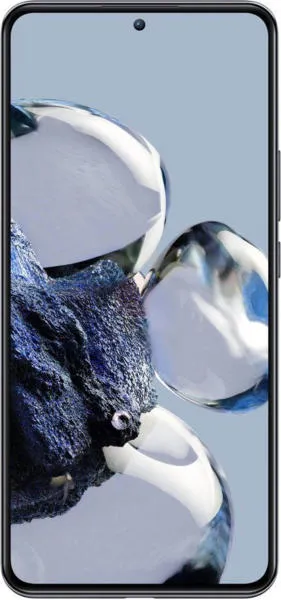
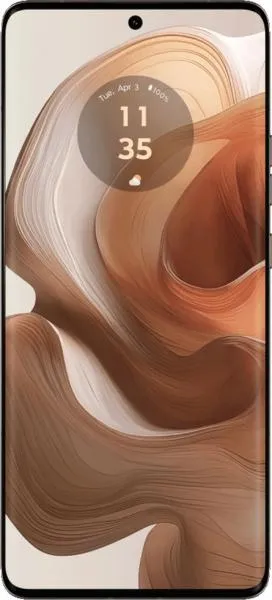
Xiaomi 12T Pro vs. Motorola Edge 50 Ultra: A Deep Dive
Let's dissect the Xiaomi 12T Pro and the Motorola Edge 50 Ultra, two compelling contenders in the mid-range smartphone arena. We'll go beyond the spec sheets to uncover what these numbers truly mean for your daily life.
1. Specifications Breakdown
| Feature | Xiaomi 12T Pro | Motorola Edge 50 Ultra | Real-World Implications |
|---|---|---|---|
| Design | |||
| Dimensions (mm) | 163.1 x 75.9 x 8.6 | 161.1 x 72.4 x 8.6 | Edge 50 Ultra slightly more compact, potentially easier to handle. |
| Weight (g) | 205 | 197 | Edge 50 Ultra marginally lighter. |
| Display | |||
| Display Type | AMOLED, 120Hz | pOLED, 144Hz | Edge 50 Ultra boasts smoother animations and scrolling with its higher refresh rate. Potentially better blacks and wider viewing angles due to pOLED technology. |
| Resolution | 1220 x 2712 | 1220 x 2712 | Identical sharpness. |
| Peak Brightness | 900 nits | 2500 nits | Edge 50 Ultra significantly brighter, crucial for outdoor visibility. |
| Color Depth | 68B | 1B | Edge 50 Ultra capable of displaying a wider range of colors, resulting in more vibrant visuals. |
| Performance | |||
| Chipset | Snapdragon 8+ Gen 1 | Snapdragon 8s Gen 3 | Edge 50 Ultra features a newer, potentially more efficient and powerful processor. |
| CPU | Octa-core (1x3.19 GHz X2 +...) | Octa-core (1x3.0 GHz X4 +...) | Both offer top-tier performance, but benchmark tests will reveal the true difference. |
| GPU | Adreno 730 | Adreno 735 | Edge 50 Ultra's GPU might offer a slight edge in gaming performance. |
| RAM | 8GB/12GB | 12GB/16GB | Edge 50 Ultra offers more RAM in its base configuration, beneficial for multitasking. |
| Camera | |||
| Main Camera | 200MP, Samsung HP1 | 50MP, Omnivision OV50H | Xiaomi boasts higher resolution, Motorola focuses on larger pixel size (2.0µm vs 0.64µm) for potentially better low-light performance. |
| Ultrawide | 8MP | 50MP | Edge 50 Ultra's ultrawide offers significantly higher resolution. |
| Telephoto | None | 64MP, 3x Optical Zoom | Edge 50 Ultra provides optical zoom for capturing distant subjects. |
| Battery & Charging | |||
| Battery Capacity | 5000 mAh | 4500 mAh | Xiaomi offers a larger battery, potentially longer lasting. |
| Charging | 120W Wired | Unspecified | Xiaomi offers incredibly fast charging. Need more information on Motorola's charging speeds. |
2. Key Insights
The Xiaomi 12T Pro excels with its aggressive pricing, a massive 200MP main camera sensor, blazing-fast 120W charging, and a larger battery. It's a powerhouse for users who prioritize raw camera resolution, battery endurance, and quick charging.
The Motorola Edge 50 Ultra shines with its newer, more powerful processor, a smoother 144Hz pOLED display with superior brightness, a more versatile camera system featuring a dedicated telephoto lens and a high-resolution ultrawide, and potentially better low-light photography. It caters to those seeking a cutting-edge experience with top-tier performance and display quality. The inclusion of DisplayPort 1.4 on the USB port also hints at desktop mode capabilities, a significant advantage for productivity users.
3. User Profiles and Recommendations
Xiaomi 12T Pro: Ideal for budget-conscious power users, mobile photographers who value high resolution, and anyone who demands fast charging.
Motorola Edge 50 Ultra: Perfect for tech enthusiasts, gamers who crave smooth visuals, content creators needing a versatile camera system, and productivity users seeking a phone with desktop mode potential.
4. Buying Decision Framework
- What's your budget? The Xiaomi is likely more affordable.
- Is camera resolution or versatility more important? Xiaomi for resolution, Motorola for versatility.
- Do you prioritize the latest processor and display technology? If yes, the Motorola is the winner.
My Choice: Motorola Edge 50 Ultra
While the Xiaomi 12T Pro offers impressive value, I'd opt for the Motorola Edge 50 Ultra. The newer processor, superior display (both refresh rate and brightness), versatile camera system with a telephoto lens, and the potential for desktop mode functionality via DisplayPort outweigh the benefits of the Xiaomi's higher resolution main camera and faster charging for my personal needs. As a tech journalist, having access to the latest technology and a device optimized for productivity is crucial. The Motorola Edge 50 Ultra aligns better with my usage patterns and priorities. However, I'd need more information about its charging speed before making a final decision. A slower charging speed would be a significant drawback.
