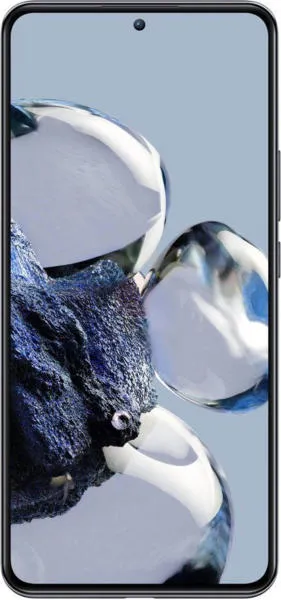
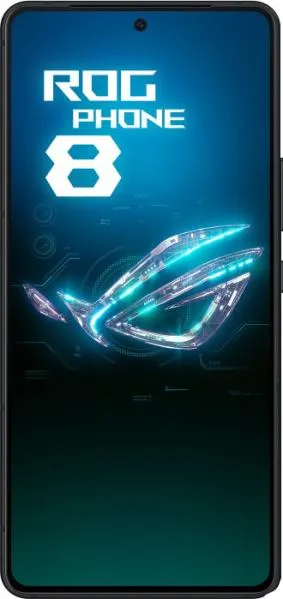
Xiaomi 12T Pro vs. Asus ROG Phone 8: A Deep Dive for the Discerning User
The smartphone landscape is constantly evolving, and choosing the right device can feel overwhelming. Today, we'll dissect two compelling contenders: the Xiaomi 12T Pro and the Asus ROG Phone 8. We'll go beyond the spec sheet, translating technical jargon into practical insights to help you decide which phone fits your lifestyle.
1. Specifications Breakdown
| Feature | Xiaomi 12T Pro | Asus ROG Phone 8 | Real-World Implications | |||||
|---|---|---|---|---|---|---|---|---|
| Design | ||||||||
| Dimensions (mm) | 163.1 x 75.9 x 8.6 | 163.8 x 76.8 x 8.9 | ROG Phone 8 slightly larger, may feel bulkier. | |||||
| Weight (g) | 205 | 225 | Noticeable weight difference; ROG Phone 8 might be less comfortable for extended use. | |||||
| Display | ||||||||
| Size (inches) | 6.67 | 6.78 | ROG Phone 8 offers slightly more screen real estate. | |||||
| Resolution | 1220 x 2712 | 1080 x 2400 | 12T Pro boasts sharper visuals due to higher pixel density. | |||||
| Refresh Rate (Hz) | 120 | 165 | ROG Phone 8 delivers incredibly smooth animations and scrolling, especially noticeable in gaming. | |||||
| Display Type | AMOLED | LTPO AMOLED | ROG Phone 8's LTPO panel enables dynamic refresh rate adjustment for better battery efficiency. | |||||
| Peak Brightness | 1200 nits | 2500 nits | ROG Phone 8 significantly brighter, enhancing outdoor visibility. | Performance | ||||
| Chipset | Snapdragon 8+ Gen 1 | Snapdragon 8 Gen 3 | ROG Phone 8 features a newer, more powerful processor, leading to superior performance. | |||||
| CPU | Octa-core | Octa-core | Both phones offer powerful multi-core performance, but the 8 Gen 3 architecture in the ROG Phone 8 provides a significant advantage in speed and efficiency. | |||||
| GPU | Adreno 730 | Adreno 750 | ROG Phone 8's upgraded GPU delivers better gaming and graphics-intensive task performance. | |||||
| RAM | 8/12GB | 12/16GB | ROG Phone 8 offers more RAM, beneficial for multitasking and demanding applications. | |||||
| Camera | ||||||||
| Main Sensor | 200MP | 50MP | 12T Pro boasts higher resolution; ROG Phone 8 likely prioritizes image quality over megapixels. | |||||
| Battery Life | ||||||||
| Capacity (mAh) | 5000 | 5500 | ROG Phone 8 has a larger battery, potentially leading to longer usage time. |
2. Key Insights
The Xiaomi 12T Pro shines with its impressive 200MP camera and sharper display. While its Snapdragon 8+ Gen 1 is no slouch, it's a generation behind the ROG Phone 8. This translates to a noticeable performance gap, particularly for demanding tasks and gaming.
The Asus ROG Phone 8, as expected from a gaming-centric phone, boasts cutting-edge performance with the Snapdragon 8 Gen 3 and a blazing-fast 165Hz display. The brighter screen and larger battery further enhance the user experience. However, the lower resolution display might disappoint pixel peepers.
3. User Profiles and Recommendations
Xiaomi 12T Pro: Ideal for users prioritizing a sharp display, high-resolution photography, and all-around solid performance without a premium price tag.
Asus ROG Phone 8: Designed for mobile gamers and power users who demand top-tier performance, a super smooth display, and extended battery life. The specialized gaming features and accessories further cater to this audience.
4. Buying Decision Framework
Questions to Consider:
- What's your primary use case? Heavy gaming and demanding tasks favor the ROG Phone 8. Everyday use, photography, and content consumption lean towards the 12T Pro.
- What's your budget? The ROG Phone 8 commands a higher price, reflecting its premium features.
- How important is battery life? The ROG Phone 8's larger battery offers a potential advantage.
Scenario-Based Recommendations:
- Casual User: 12T Pro offers excellent value.
- Mobile Gamer: ROG Phone 8 is the clear winner.
- Photographer: 12T Pro's 200MP camera is tempting, but consider the ROG Phone 8's overall image quality before deciding.
My Choice: The Asus ROG Phone 8
While the Xiaomi 12T Pro offers a compelling package, I would choose the Asus ROG Phone 8. As a tech journalist who frequently tests demanding applications and appreciates cutting-edge technology, the raw performance of the Snapdragon 8 Gen 3, coupled with the incredibly smooth 165Hz LTPO display, is irresistible. The larger battery and future-proofed connectivity (WiFi 7) further solidify my choice. While I acknowledge the higher price point, the significant performance leap, enhanced user experience, and extended longevity justify the investment for my needs.
