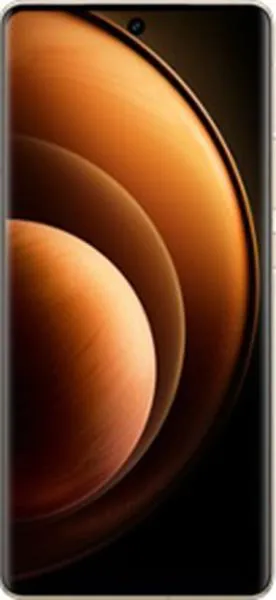
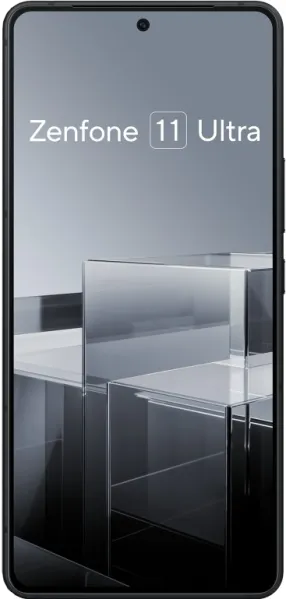
Let's dive into a comparative analysis of the vivo X100 and the Asus Zenfone 11 Ultra, dissecting their specifications and uncovering what they truly offer users.
1. Specifications Breakdown
| Feature | vivo X100 | Asus Zenfone 11 Ultra | Real-World Implications |
|---|---|---|---|
| Design | |||
| Dimensions | 164.1 x 75.2 x 8.5 mm | 163.8 x 76.8 x 8.9 mm | X100 slightly taller and thinner, Zenfone 11 Ultra slightly wider and thicker. Negligible difference in hand feel. |
| Weight | 202g | 224g | X100 noticeably lighter, reducing hand fatigue during extended use. |
| Display | |||
| Size | 6.78" | 6.78" | Identical screen real estate. |
| Type | LTPO AMOLED | LTPO AMOLED | Both offer excellent color accuracy, deep blacks, and power efficiency. |
| Resolution | 1260 x 2800 | 1080 x 2400 | X100 significantly sharper due to higher pixel density (452 ppi vs 388 ppi). Noticeably crisper text and images. |
| Refresh Rate | 120Hz | 144Hz | Zenfone 11 Ultra smoother for gaming and fast-paced content; X100 still provides a fluid experience. |
| Peak Brightness | 3000 nits | 2500 nits | X100 brighter in direct sunlight, improving outdoor visibility. |
| Performance | |||
| Chipset | Dimensity 9300 | Snapdragon 8 Gen 3 | Both are flagship chipsets, but Snapdragon 8 Gen 3 generally benchmarks higher in raw performance. |
| CPU | Octa-core (Cortex-X4 & A720) | Octa-core (Cortex-X4 & A720 & A520) | Both offer top-tier processing power for demanding tasks and multitasking. |
| GPU | Immortalis-G720 MC12 | Adreno 750 | Adreno 750 typically delivers superior gaming performance. |
| RAM | 16GB | 16GB | Both offer ample RAM for smooth multitasking and app switching. |
| Storage | 256/512GB | 512GB | X100 offers a 256GB option; both offer ample storage for most users. |
| Battery Life | |||
| Capacity | 5000 mAh | 5500 mAh | Zenfone 11 Ultra likely to offer longer battery life due to larger capacity and potentially better optimization. |
| Other | |||
| OS | Android 14 | Android 14 | Both run the latest Android version. Zenfone 11 Ultra guaranteed updates to Android 16. |
| Video Capabilities | Not specified | 8K@24fps, 4K@60fps, etc. | Zenfone 11 Ultra offers a wide range of high-resolution video recording options. |
2. Key Insights
- Display: The vivo X100 boasts a sharper display with a higher resolution, resulting in crisper visuals. The Zenfone 11 Ultra counters with a faster 144Hz refresh rate for smoother motion.
- Performance: Both phones pack powerful processors, but the Snapdragon 8 Gen 3 in the Zenfone 11 Ultra generally edges out in benchmarks, particularly for gaming.
- Battery: The Zenfone 11 Ultra's larger 5500mAh battery promises longer usage time.
- Software Updates: The Zenfone 11 Ultra is confirmed to receive updates up to Android 16, providing longer software support.
- Video Recording: The Zenfone 11 Ultra is a clear winner for videographers with extensive high-resolution and high frame rate options.
3. User Profiles and Recommendations
- vivo X100: Ideal for users prioritizing a sharp display, lighter weight, and a sleek design. Excellent for everyday tasks, media consumption, and moderate gaming.
- Asus Zenfone 11 Ultra: Best suited for power users, gamers, and content creators who demand top-tier performance, extended battery life, and advanced video recording capabilities.
4. Buying Decision Framework
- What is your budget and storage requirement? The X100 offers a lower storage option which could potentially translate to a lower price point.
- Is gaming or video recording a priority? If so, the Zenfone 11 Ultra's superior performance and video features make it a compelling choice.
- How important is display sharpness versus refresh rate? Prioritize the X100 for crisper visuals or the Zenfone 11 Ultra for smoother motion.
My Choice
If I were choosing between these two, I'd lean towards the vivo X100. While the Zenfone 11 Ultra offers a slight edge in raw performance and battery life, the X100's significantly sharper display, lighter weight, and potentially lower price point are more compelling to me. I value the crispness of text and images for everyday use, and the lighter weight makes a noticeable difference in hand comfort. The performance difference between the two chipsets is likely negligible for my usage patterns, and I'm willing to trade a slightly smaller battery for a more comfortable and visually pleasing experience. The lack of detailed camera specifications prevents a complete assessment, but based on the available information, the X100 aligns better with my personal priorities.
