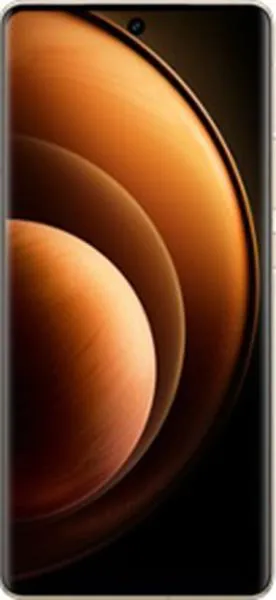
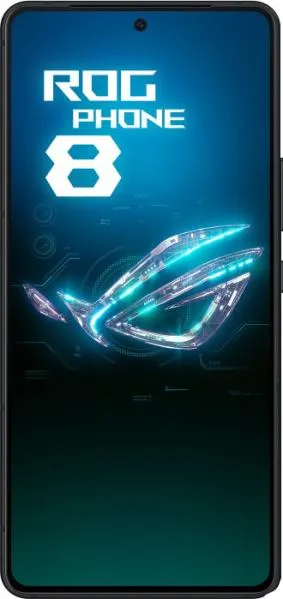
Let's dive into a comparative analysis of the vivo X100 and the Asus ROG Phone 8, dissecting their specifications and translating them into real-world implications for you.
1. Specifications Breakdown
| Feature | vivo X100 | Asus ROG Phone 8 | Real-World Implications |
|---|---|---|---|
| Design | |||
| Dimensions | 164.1 x 75.2 x 8.5 mm | 163.8 x 76.8 x 8.9 mm | ROG Phone 8 is slightly wider and thicker. X100 might feel more compact in hand. |
| Weight | 202 g | 225 g | X100 noticeably lighter, reducing hand fatigue during extended use. ROG Phone 8's extra weight might be due to a larger cooling system. |
| Display | |||
| Size | 6.78" | 6.78" | Identical screen sizes offer similar media consumption experiences. |
| Type | LTPO AMOLED | LTPO AMOLED | Both boast vibrant colors and deep blacks thanks to AMOLED technology. Power efficiency benefits from LTPO's adaptive refresh rate. |
| Resolution | 1260 x 2800 | 1080 x 2400 | X100's sharper display (452 ppi vs. 388 ppi) results in crisper text and images. Noticeable difference in detail, especially in VR applications. |
| Refresh Rate | 120 Hz | 165 Hz | ROG Phone 8's higher refresh rate delivers smoother animations and scrolling, particularly beneficial for gaming and fast-paced content. |
| Peak Brightness | 3000 nits | 2500 nits | X100's superior peak brightness ensures better visibility in direct sunlight. |
| Performance | |||
| Chipset | Dimensity 9300 | Snapdragon 8 Gen 3 | Both are flagship chipsets, promising top-tier performance. Benchmarking will reveal the nuanced differences in CPU and GPU prowess. |
| CPU | Octa-core (Cortex-X4 & A720) | Octa-core (Cortex-X4 & A720) | Architecture similarities suggest comparable processing power. Clock speed and core configuration nuances will determine real-world differences. |
| GPU | Immortalis-G720 MC12 | Adreno 750 | Adreno 750 traditionally strong in gaming; Immortalis-G720 aims to compete. Real-world gaming tests crucial for evaluating performance. |
| RAM | 16GB | 16GB | Both offer ample RAM for multitasking and demanding applications. |
| Battery | |||
| Capacity | 5000 mAh | 6000 mAh | ROG Phone 8's larger battery likely translates to longer usage time. Heavy gaming on the ROG Phone 8 will still drain battery faster. |
| Other | |||
| OS | Android 14 | Android 14 | Both run the latest Android version, offering the newest features and security updates. ROG Phone may receive longer software updates. |
| Storage Options | 256/512GB | 256GB | X100 offers more built-in storage options for users with high media consumption needs. |
2. Key Insights
- Display: The X100 prioritizes resolution and brightness, ideal for content consumption and outdoor use. The ROG Phone 8 emphasizes a faster refresh rate for a smoother gaming experience.
- Performance: Both phones pack powerful chipsets, but the ROG Phone 8, with its Snapdragon 8 Gen 3 and gaming-focused features, is likely to edge out the X100 in raw performance, especially for gaming.
- Battery: The ROG Phone 8's larger battery will likely provide longer battery life, crucial for extended gaming sessions.
- Overall: The vivo X100 leans towards a balanced flagship experience with a stunning display, while the ROG Phone 8 is explicitly designed for mobile gaming enthusiasts.
3. User Profiles and Recommendations
- vivo X100: Suited for users who prioritize a premium display, sleek design, and all-around performance for everyday tasks, photography, and media consumption.
- Asus ROG Phone 8: Ideal for hardcore mobile gamers who demand the highest refresh rates, powerful performance, and extended battery life for intensive gaming sessions.
4. Buying Decision Framework
- What is your primary use case? (Gaming, photography, general use)
- How important is display quality versus refresh rate? (Sharpness and brightness vs. smoothness)
- What is your budget and storage requirement?
My Choice
If I were choosing between these two, I'd opt for the vivo X100. While the ROG Phone 8's gaming prowess is undeniable, my personal use leans heavily towards photography, content creation, and general productivity. The X100's superior display resolution and brightness are significant draws for me, as is its lighter and more compact design. While the ROG Phone 8 boasts a larger battery, the X100's 5000mAh capacity is more than sufficient for my daily needs. Ultimately, the X100 strikes a better balance between performance, portability, and the features I value most. I appreciate the subtle elegance of the X100 over the overtly "gamer" aesthetic of the ROG Phone 8. The slightly higher price of the ROG Phone 8 for features I wouldn't fully utilize further solidifies my decision.
