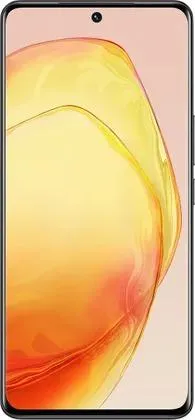

1. Specifications Comparison
| Feature | vivo V29 | OnePlus 12R | Practical Impact |
|---|---|---|---|
| Design | |||
| Dimensions | 164.2 x 74.4 x 7.5 mm | 163.3 x 75.3 x 8.8 mm | OnePlus 12R is slightly wider and noticeably thicker. Vivo V29 is thinner and might feel more comfortable in hand for some. |
| Weight | 186g | 207g | Vivo V29 is significantly lighter, reducing hand fatigue during extended use. |
| Display | |||
| Size | 6.78" | 6.78" | Identical screen sizes. |
| Type | AMOLED, 1B colors, 120Hz, HDR10+ | LTPO4 AMOLED, 1B colors, 120Hz, HDR10+, Dolby Vision | Both offer vibrant displays with smooth scrolling. OnePlus 12R's LTPO4 panel allows for more granular refresh rate control, potentially saving battery. Dolby Vision support provides a wider color gamut and higher dynamic range on the 12R. |
| Resolution | 1260 x 2800 | 1264 x 2780 | Virtually identical resolutions, resulting in similar sharpness. |
| Peak Brightness | Not specified | 4500 nits | The OnePlus 12R offers significantly higher peak brightness, ensuring excellent outdoor visibility even in direct sunlight. The lack of this specification for the Vivo V29 makes a direct comparison impossible. |
| Performance | |||
| Chipset | Snapdragon 778G 5G (6 nm) | Snapdragon 8 Gen 2 (4 nm) | OnePlus 12R boasts a significantly more powerful processor, enabling smoother multitasking, faster app loading, and better gaming performance. |
| CPU | Octa-core (1x2.4 GHz Cortex-A78 & 3x2.2 GHz Cortex-A78 & 4x1.9 GHz Cortex-A55) | Octa-core (1x3.2 GHz Cortex-X3 & 2x2.8 GHz Cortex-A715 & 2x2.8 GHz Cortex-A710 & 3x2.0 GHz Cortex-A510) | The OnePlus 12R's CPU architecture is newer and more powerful. |
| GPU | Adreno 642L | Adreno 740 | OnePlus 12R has a much more capable GPU, delivering a superior gaming and graphics-intensive tasks experience. |
| RAM | 8GB | 16GB | Double the RAM on the OnePlus 12R allows for more apps to run in the background without impacting performance. |
| Battery | |||
| Capacity | 4600 mAh | 5500 mAh | OnePlus 12R has a larger battery, potentially translating to longer battery life. |
| Camera | |||
| Video | 4K@30fps, 1080p@30fps | 4K@30/60fps (OIS, EIS), 1080p@30/60/120/240fps (OIS, EIS) | OnePlus 12R offers significantly more versatile video recording capabilities, including higher resolutions, frame rates, and stabilization. |
2. Key Differences Analysis
OnePlus 12R Advantages:
- Significantly more powerful: Snapdragon 8 Gen 2, more RAM, and a better GPU translate to a noticeably smoother and faster experience.
- Brighter Display: Superior peak brightness ensures excellent outdoor visibility.
- Larger Battery: Potentially longer battery life.
- Superior Video Recording: More resolution, frame rate, and stabilization options.
vivo V29 Advantages:
- Lighter and Thinner: More comfortable for one-handed use and extended holding.
3. User Profiles & Recommendations
OnePlus 12R: Ideal for power users, gamers, and those who prioritize performance, a bright display, long battery life, and advanced video recording capabilities.
vivo V29: Suitable for users who prioritize a lightweight and slim design and value ease of handling. Good for everyday tasks, but not as ideal for demanding applications.
4. Decision Framework
Key Questions:
- What is your budget? Both are mid-range, but minor price differences might exist.
- What are your primary smartphone usage patterns? (Gaming, photography, social media, etc.)
- Do you prioritize performance or portability?
My Choice: OnePlus 12R
While the Vivo V29 offers a lighter and thinner design, the OnePlus 12R's significant advantages in performance, display brightness, battery life, and video recording capabilities make it the clear winner for me. The Snapdragon 8 Gen 2 provides a substantial performance leap, ensuring a future-proof device capable of handling demanding tasks and games for years to come. The brighter display is crucial for comfortable outdoor usage, and the larger battery alleviates battery anxiety. The superior video recording capabilities are a significant bonus for content creation. The slight increase in weight and thickness is a trade-off I'm willing to make for the considerable performance gains.
