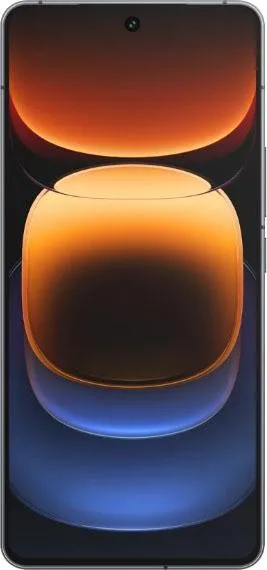

1. Specifications Comparison
| Feature | vivo iQOO 12 | Xiaomi 14T | Practical Impact |
|---|---|---|---|
| Design | |||
| Dimensions | 163.2 x 75.9 x 8.1 mm | 160.5 x 75.1 x 7.8 mm | Xiaomi 14T is slightly smaller and thinner, potentially improving one-handed usability. |
| Weight | 198.5 g | 193 g | The Xiaomi 14T is slightly lighter, making it more comfortable for extended use. |
| Build Materials | Not specified | Not specified | Cannot compare build quality and durability without this information. |
| Display | |||
| Size | 6.78" | 6.67" | Negligible difference in screen real estate. |
| Type | LTPO AMOLED | AMOLED | Both offer vibrant colors and deep blacks. LTPO on the iQOO 12 allows for dynamic refresh rate adjustment, potentially saving battery. |
| Resolution | 1260 x 2800 | 1220 x 2712 | iQOO 12 has a slightly sharper display, but the difference is minimal in real-world usage. |
| Refresh Rate | 144Hz | 144Hz | Both offer smooth scrolling and animations. |
| Peak Brightness | 3000 nits (typical), 1400 nits (HBM) | 4000 nits (peak), 1600 nits (HBM) | Xiaomi 14T offers significantly higher peak brightness, improving outdoor visibility. |
| Performance | |||
| Chipset | Snapdragon 8 Gen 3 | MediaTek Dimensity 8300 Ultra | Snapdragon 8 Gen 3 is generally considered a more powerful chipset, likely resulting in better performance in demanding tasks and gaming. |
| CPU | Octa-core (1x3.3 GHz Cortex-X4 & 3x3.2 GHz Cortex-A720 & 2x3.0 GHz Cortex-A720 & 2x2.3 GHz Cortex-A520) | Octa-core (1x3.35 GHz Cortex-A715 & 3x3.20 GHz Cortex-A715 & 4x2.20 GHz Cortex-A510) | The Snapdragon 8 Gen 3's architecture suggests superior performance, especially in single-core tasks. |
| GPU | Adreno 750 | Mali G615-MC6 | Adreno 750 offers significantly better graphics performance for gaming and graphically intensive applications. |
| RAM | 16GB | 12GB | iQOO 12 offers more RAM, enabling better multitasking and smoother performance with numerous apps open. |
| Storage | 512GB, 1TB | 512GB | iQOO offers a 1TB storage option for users needing extensive local storage. |
| Camera | |||
| Details | Not specified for either phone | Not specified for either phone | Cannot compare camera quality and features without detailed specifications. |
| Video | 8K@30fps, 4K@60fps | 4K@60fps, 1080p@960fps | iQOO 12 offers 8K video recording, while Xiaomi 14T offers super slow-motion at 960fps. User preference will dictate which is more valuable. |
| Battery | |||
| Capacity | 5000 mAh | 5000 mAh | Similar battery capacity suggests comparable battery life, though real-world usage will vary. |
| Charging Speed | Not specified | Not specified | Cannot compare charging speeds without this information. |
2. Key Differences Analysis
vivo iQOO 12 Advantages:
- More powerful processor and GPU: Provides a significant performance advantage for demanding tasks and gaming.
- More RAM: Enables smoother multitasking and handling of more demanding applications.
- Higher resolution display: Marginally sharper display.
- 8K video recording: Offers higher resolution video recording capability.
- Larger storage option: Provides a 1TB option for users who need ample storage.
Xiaomi 14T Advantages:
- Brighter Display: Significantly brighter display for better outdoor visibility.
- Slightly smaller and lighter: Improved one-handed usability and comfort.
- Super slow-motion video: Captures high-frame-rate video for dramatic slow-motion effects.
- Potentially lower price: While both are mid-range, MediaTek chipsets often result in lower device costs.
3. User Profiles & Recommendations
vivo iQOO 12: Ideal for power users, gamers, and those who prioritize performance and high-resolution content consumption. Excellent for demanding tasks, multitasking, and high-quality video recording.
Xiaomi 14T: Suitable for users who prioritize a bright display for outdoor use, comfortable one-handed operation, and creative video recording with slow-motion capabilities. Good for everyday tasks, media consumption, and social media content creation.
4. Decision Framework
Key Questions for Buyers:
- What is your budget? While both are mid-range, the Xiaomi 14T might offer better value due to the potentially lower price.
- What are your primary use cases? Gamers and power users will benefit from the iQOO 12's performance. Users prioritizing outdoor visibility and slow-motion video will prefer the Xiaomi 14T.
- How important is battery life and charging speed? This information is missing, but it's a crucial factor to consider. Research reviews and comparisons focusing on battery performance.
My Choice: vivo iQOO 12
While the Xiaomi 14T offers a brighter display and a more compact form factor, the vivo iQOO 12's superior performance due to the Snapdragon 8 Gen 3 and the larger RAM capacity is the deciding factor for me. I prioritize smooth performance for demanding tasks and gaming, making the iQOO 12 a better fit for my needs. The 1TB storage option also provides future-proofing for my data storage requirements. The slightly larger size and weight are acceptable trade-offs for the significant performance gains. However, I acknowledge that users with different priorities, such as outdoor usage or a strict budget, might find the Xiaomi 14T a more compelling option.
