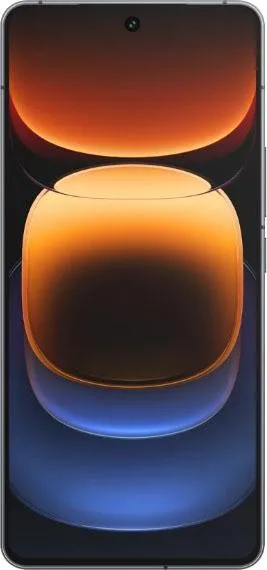
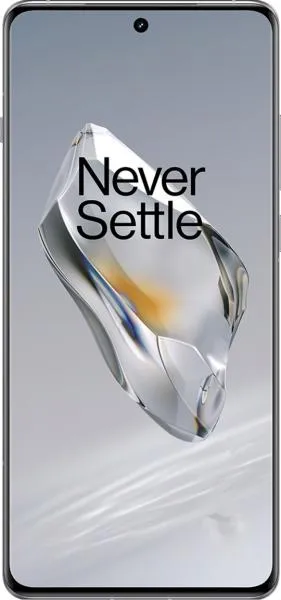
1. Specifications Comparison
| Feature | vivo iQOO 12 | OnePlus 12 | Practical Impact |
|---|---|---|---|
| Design | |||
| Dimensions | 163.2 x 75.9 x 8.1 mm | 164.3 x 75.8 x 9.2 mm | OnePlus 12 is slightly larger and noticeably thicker. iQOO 12 might feel more comfortable in hand for some. |
| Weight | 198.5 g | 220 g | iQOO 12 is significantly lighter, reducing hand fatigue during extended use. |
| Build Materials | Not specified | Not specified | Build quality and durability cannot be compared without this information. |
| Display | |||
| Size | 6.78" | 6.82" | Negligible difference in screen real estate. |
| Type | LTPO AMOLED | LTPO AMOLED | Both offer excellent color accuracy, contrast, and power efficiency. |
| Resolution | 1260 x 2800 | 1440 x 3168 | OnePlus 12 has a sharper display (higher pixel density), resulting in crisper text and images. |
| Refresh Rate | 144Hz | 120Hz | iQOO 12 offers smoother animations and scrolling, especially noticeable in gaming and fast-paced content. |
| Peak Brightness | 3000 nits | 4500 nits | OnePlus 12 offers significantly better visibility in direct sunlight. |
| Performance | |||
| Chipset | Snapdragon 8 Gen 3 | Snapdragon 8 Gen 3 | Identical chipsets provide equal flagship-level performance. |
| CPU | Octa-core (1x3.3 GHz Cortex-X4 & 3x3.2 GHz Cortex-A720 & 2x3.0 GHz Cortex-A720 & 2x2.3 GHz Cortex-A520) | Octa-core (1x3.3 GHz Cortex-X4 & 3x3.2 GHz Cortex-A720 & 2x3.0 GHz Cortex-A720 & 2x2.3 GHz Cortex-A520) | Identical CPU configurations offer similar processing power. |
| GPU | Adreno 750 | Adreno 750 | Same GPU ensures identical graphics performance capabilities. |
| RAM/Storage | 512GB/16GB, 1TB/16GB | 512GB/16GB | iQOO 12 offers a 1TB storage option for users needing extensive local storage. |
| Battery | |||
| Capacity | 5000 mAh | 5400 mAh | OnePlus 12 has a larger battery, potentially offering longer battery life. |
| Charging Speed | Not Specified | Not Specified | Cannot compare charging speeds without this information. |
| Other | |||
| OS | Android 14 | Android 14 | Both run the latest Android version, though OnePlus guarantees more OS updates. |
| OS Max Version | 16 | 18 | OnePlus commits to longer software support, receiving more major Android updates and security patches. |
2. Key Differences Analysis
vivo iQOO 12 Advantages:
- Lighter and Slightly Smaller: More comfortable for one-handed use and extended holding.
- Higher Refresh Rate Display: Smoother scrolling and animations.
- 1TB Storage Option: Caters to users with large storage needs.
OnePlus 12 Advantages:
- Sharper Display: Higher resolution for crisper visuals.
- Brighter Display: Superior outdoor visibility.
- Larger Battery: Potentially longer battery life.
- Longer Software Support: More Android updates and security patches.
Trade-offs:
- iQOO 12: Higher refresh rate potentially impacts battery life compared to the OnePlus 12.
- OnePlus 12: Heavier and thicker, might be less comfortable for some users.
3. User Profiles & Recommendations
vivo iQOO 12: Ideal for users prioritizing a lightweight, comfortable phone with a smooth display for gaming and media consumption. The 1TB storage option is excellent for power users.
OnePlus 12: Suitable for users who value a bright, sharp display for media consumption and productivity, along with extended battery life and guaranteed long-term software updates.
4. Decision Framework
Key Questions:
- How important is long-term software support? If receiving the latest Android features and security updates for several years is crucial, the OnePlus 12 is the better choice.
- Do you prioritize portability and comfort? The iQOO 12's lighter weight and smaller size make it more comfortable for extended use.
- Is display quality a primary concern? The OnePlus 12 boasts a sharper and significantly brighter display.
Scenario-Based Recommendations:
- Gamer: iQOO 12 for its higher refresh rate display.
- Outdoor Enthusiast: OnePlus 12 for its brighter display.
- Power User: iQOO 12 for its 1TB storage option.
My Choice: OnePlus 12
While the iQOO 12 offers a lighter build and smoother refresh rate, the OnePlus 12's longer software support, brighter and sharper display, and larger battery capacity are more compelling for my personal needs. The slightly larger size and heavier weight are acceptable trade-offs for these advantages. The commitment to future OS updates ensures the device remains secure and feature-rich for an extended period, which I value greatly. The significantly brighter display is crucial for outdoor usage, and the larger battery promises longer usage between charges. While the 144Hz refresh rate of the iQOO 12 is appealing, the 120Hz of the OnePlus 12 still provides a very smooth experience and is likely less taxing on battery life.
