1. Specifications Comparison
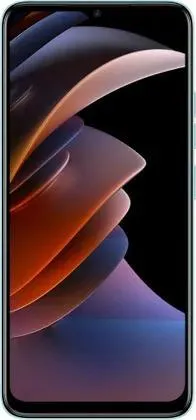
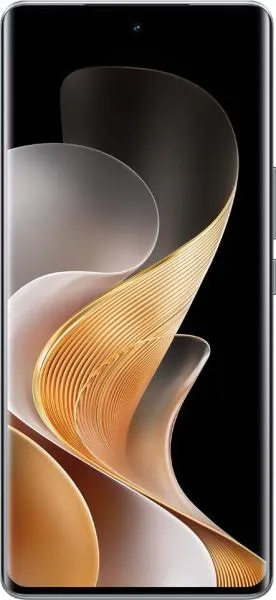
| Feature | Tecno Spark 10 5G | vivo V40 | Practical Impact |
|---|---|---|---|
| Design | |||
| Dimensions (mm) | 164.4 x 75.5 x 8.4 | 164.2 x 75 x 7.6 | Vivo V40 is slightly thinner and potentially more pocketable. |
| Weight (g) | 0 (Missing data) | 190 | Cannot compare weight without Tecno's data. |
| Display | |||
| Display Type | IPS LCD, 90Hz | AMOLED, HDR10+, 120Hz | Vivo V40 offers superior contrast, deeper blacks, smoother scrolling, and HDR support for richer visuals. Tecno has a faster response time, potentially beneficial for gaming. |
| Size | 6.6" | 6.78" | Vivo V40 has a slightly larger screen. |
| Resolution | 720 x 1612 (267 ppi) | 1260 x 2800 (453 ppi) | Vivo V40 boasts significantly sharper and more detailed visuals. |
| Performance | |||
| Chipset | Mediatek Dimensity 6020 (7 nm) | Qualcomm Snapdragon 7 Gen 3 (4 nm) | Vivo V40 will likely offer significantly better performance and efficiency due to a more powerful and newer chipset. |
| CPU | Octa-core (2x2.2 GHz A76 & 6x2.0 GHz A55) | Octa-core (1x2.63 GHz A715 & 3x2.4 GHz A715 & 4x1.8 GHz A510) | Vivo V40's CPU architecture is newer and more powerful, leading to faster app loading, smoother multitasking, and better gaming performance. |
| GPU | Mali-G57 MC2 | Adreno 720 | Vivo V40 has a more powerful GPU, resulting in smoother gaming and graphics performance. |
| RAM | 8GB | 12GB | Vivo V40 offers more RAM, enabling better multitasking and preventing app closures in the background. |
| Camera | |||
| Main Camera | 50MP, f/1.6 | 50MP, f/1.88, Samsung GNJ sensor | Vivo V40 uses a known high-quality Samsung sensor with likely better low-light performance. Specific image quality comparisons require real-world testing. |
| Selfie Camera | 8MP, f/1.8 | 50MP, f/2.0, Samsung S5KJN1 sensor | Vivo V40 boasts a much higher resolution selfie camera with a known high-quality sensor, promising superior selfie quality. |
| Video | 1080p@30fps | 4K@30fps with OIS, EIS | Vivo V40 offers significantly better video recording capabilities with higher resolution and stabilization. |
| Battery | |||
| Capacity | 5000 mAh | 5500 mAh | Vivo V40 has a slightly larger battery capacity, potentially offering longer battery life. Real-world usage will vary. |
2. Key Differences Analysis
Vivo V40 Advantages:
- Significantly better display: Higher resolution, AMOLED technology, HDR10+ support, and 120Hz refresh rate provide a vastly superior visual experience.
- Much improved performance: More powerful chipset, CPU, and GPU result in smoother operation, faster app loading, and better gaming.
- Superior camera system: Higher resolution selfie camera, 4K video recording, OIS, and known high-quality sensors suggest better overall image and video quality.
- Larger battery: Potentially longer battery life.
- NFC: Enables contactless payments and other NFC functionalities.
Tecno Spark 10 5G Advantages:
- Potentially lower price: Given the specifications, the Tecno Spark 10 5G likely falls into a significantly lower price bracket. (Price data unclear for direct comparison)
3. User Profiles & Recommendations
Tecno Spark 10 5G: Budget-conscious users who prioritize basic functionality (calling, texting, web browsing) and light media consumption.
Vivo V40: Users who value a premium multimedia experience, smooth performance, high-quality cameras, mobile gaming, and the latest features like NFC. Suitable for power users and content creators.
4. Decision Framework
Key Questions for Buyers:
- What is your budget? The Vivo V40 is likely significantly more expensive.
- What are your primary use cases? Basic tasks vs. demanding applications, gaming, and media consumption.
- How important is display and camera quality? The Vivo V40 excels in these areas.
Scenario-Based Recommendations:
- Limited budget, basic needs: Tecno Spark 10 5G
- Balanced needs and budget: More information on pricing is needed for a clear recommendation.
- Premium experience desired: Vivo V40
My Choice: vivo V40
While the Tecno Spark 10 5G might be a decent budget option, the vivo V40 offers a significantly superior overall experience due to its vastly better display, much more powerful performance, advanced camera system with OIS and high-quality sensors, larger battery, and NFC functionality. Even without specific pricing information, the performance and feature gap is substantial enough to justify the likely higher price for most users who prioritize a smooth and enjoyable smartphone experience. The Vivo V40 is a clear winner in terms of overall value for a user seeking a modern and capable device.
