1. Specifications Comparison
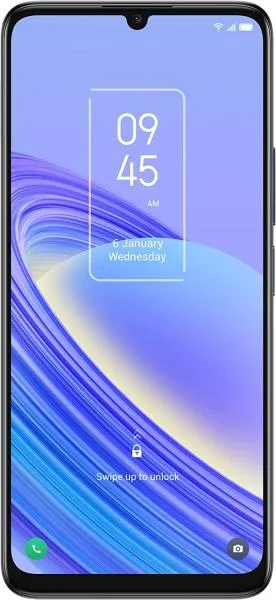
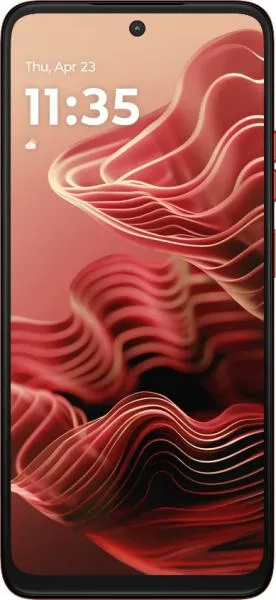
| Feature | TCL 40 SE | Motorola Moto G35 | Practical Impact |
|---|---|---|---|
| Design | |||
| Dimensions (mm) | 167.9 x 76.5 x 8.5 | 166.3 x 76 x 7.8 | Moto G35 is slightly smaller and thinner. Negligible difference in real-world usage. |
| Weight (g) | 190 | 188 | Virtually identical weight; no noticeable difference. |
| Display | |||
| Size (inches) | 6.75 | 6.72 | Negligible size difference. |
| Resolution (px) | 720 x 1600 | 1080 x 2400 | Moto G35 has a significantly sharper display, resulting in clearer text and images. |
| Display Type | IPS LCD, 90Hz | IPS LCD, 120Hz, HDR10 | Moto G35 has a higher refresh rate for smoother scrolling and animations, along with HDR10 for better dynamic range in supported content. |
| PPI | 260 | 392 | Moto G35's higher pixel density leads to a much sharper and more detailed display. |
| Peak Brightness (nits) | 450 (typ), 900 (peak) | 1000 | Moto G35 can get significantly brighter, improving outdoor visibility. |
| Performance | |||
| Chipset | Mediatek Helio G37 (12 nm) | Unisoc T760 (6 nm) | Moto G35's Unisoc T760, built on a smaller process node, should offer better performance and power efficiency. |
| CPU | Octa-core (4x2.3 GHz Cortex-A53 & 4x1.8 GHz Cortex-A53) | Octa-core (1x2.2 GHz Cortex-A76 & 3x Cortex-A76 & 4x Cortex-A55) | Moto G35 features more powerful Cortex-A76 cores, leading to significantly better performance in demanding tasks and multitasking. |
| GPU | PowerVR GE8320 | Mali-G57 | Moto G35's GPU is considerably more powerful, resulting in smoother gaming and faster graphics rendering. |
| RAM | 4GB | 8GB (in reviewed variant) | More RAM in the Moto G35 enables better multitasking and reduces app closures in the background. |
| Camera | |||
| Main Camera (MP) | 50 | 50 | Similar megapixel count, but sensor quality details missing for TCL 40 SE, making a direct comparison difficult. |
| Video Recording | 1080p@30fps | 4K@30fps, 1080p@30fps | Moto G35 offers 4K video recording for higher resolution videos. |
| Battery | |||
| Capacity (mAh) | 5010 | 5000 | Virtually identical battery capacity. Real-world battery life will depend more on software optimization and usage patterns. |
| Fast Charging | 18W | 18W | Both phones support the same fast charging speed. |
2. Key Differences Analysis
Motorola Moto G35 Advantages:
- Significantly better display: Higher resolution, refresh rate, and HDR10 support.
- Superior Performance: More powerful chipset, CPU, and GPU for smoother operation and better gaming.
- More RAM: Improved multitasking capabilities.
- Higher resolution video recording: 4K video capability.
- More recent OS: Android 14 offers the latest features and security updates.
TCL 40 SE Advantages:
- Slightly larger battery: Negligible difference in practice.
- Lower Price: Falls in a lower price range.
3. User Profiles & Recommendations
TCL 40 SE: Budget-conscious users who prioritize basic communication, web browsing, and light media consumption. Not recommended for demanding tasks or gaming.
Motorola Moto G35: Users who value a smooth and responsive experience, enjoy mobile gaming, consume media frequently, and prioritize a good display.
4. Decision Framework
Key Questions for Buyers:
- What is your budget? The TCL 40 SE is significantly cheaper.
- What are your primary use cases? Basic tasks vs. demanding applications and gaming.
- How important is display quality? The Moto G35 offers a vastly superior display.
My Choice: Motorola Moto G35
While the TCL 40 SE offers a lower price point, the Moto G35 provides a significantly better user experience across the board. Its superior display, performance, and more recent operating system make it a much more compelling device for most users. The price difference is justified by the notable improvements in key areas like the display and performance. The Moto G35 is a more future-proof choice due to its more powerful hardware and newer software. Even for budget-conscious buyers, I would recommend stretching the budget for the Moto G35 if possible, or looking for deals/sales to minimize the price difference. The long-term benefits of a better user experience outweigh the initial cost savings in this case.
