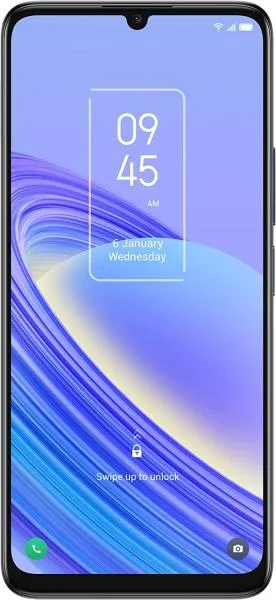
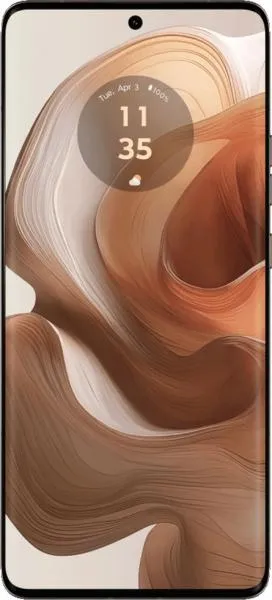
1. Specifications Comparison
| Feature | TCL 40 SE | Motorola Edge 50 Ultra | Practical Impact |
|---|---|---|---|
| Design | |||
| Dimensions (mm) | 167.9 x 76.5 x 8.5 | 161.1 x 72.4 x 8.6 | Edge 50 Ultra is slightly smaller and more compact. |
| Weight (g) | 190 | 197 | Negligible weight difference in practical usage. |
| Build Material | Not specified | Not specified | Build quality and durability cannot be compared without further information. |
| Display | |||
| Display Type | IPS LCD, 90Hz | P-OLED, 144Hz | Edge 50 Ultra offers superior contrast, deeper blacks, and smoother motion due to P-OLED technology and higher refresh rate. |
| Display Size (inches) | 6.75 | 6.7 | Negligible size difference. |
| Resolution | 720 x 1600 | 1220 x 2712 | Edge 50 Ultra has a significantly sharper and more detailed display. |
| Peak Brightness (nits) | 450 (typ) | 2500 (peak) | Edge 50 Ultra offers far superior outdoor visibility. TCL's typical brightness might be insufficient in bright sunlight. |
| Performance | |||
| Chipset | Helio G37 (12 nm) | Snapdragon 8s Gen 3 (4 nm) | Edge 50 Ultra boasts significantly faster processing power, enabling smoother multitasking, gaming, and demanding applications. |
| CPU | Octa-core (Cortex-A53) | Octa-core (X4, A720, A520) | Edge 50 Ultra offers superior CPU performance with a more powerful core configuration. |
| GPU | PowerVR GE8320 | Adreno 735 | Edge 50 Ultra has a much more powerful GPU, resulting in dramatically better gaming and graphics performance. |
| RAM | 4GB/6GB | 12GB/16GB | Edge 50 Ultra has substantially more RAM, enabling smoother multitasking and preventing app closures in the background. |
| Camera | |||
| Main Camera | 50MP | 50MP (OV50H) | Edge 50 Ultra likely has a superior main camera due to a larger sensor (1/1.3") and wider aperture (f/1.6). Further details on the TCL sensor are needed. |
| Ultrawide | Not specified | 50MP | Edge 50 Ultra offers an ultrawide camera, expanding photographic versatility. |
| Telephoto | Not specified | 64MP | Edge 50 Ultra offers a telephoto lens for optical zoom, lacking in the TCL 40 SE. |
| Video Recording | 1080p@30fps | Up to 4K@60fps, 1080p@960fps | Edge 50 Ultra provides significantly better video recording capabilities with higher resolution, frame rates, and slow-motion options. |
| Battery | |||
| Capacity | 5010 mAh | 4500 mAh | TCL 40 SE has a larger battery capacity, potentially offering longer battery life. However, real-world usage depends on optimization. |
2. Key Differences Analysis
Motorola Edge 50 Ultra Advantages:
- Significantly higher performance: The Snapdragon 8s Gen 3 and ample RAM ensure a smooth and responsive user experience.
- Superior display: The P-OLED display with a 144Hz refresh rate offers vibrant colors, deep blacks, and incredibly smooth motion.
- Versatile camera system: The triple camera setup with ultrawide and telephoto lenses offers a wide range of shooting options.
- Faster charging and data transfer: USB 3.1 Gen 2 with DisplayPort support enables fast data transfer and potentially faster charging.
TCL 40 SE Advantages:
- Potentially longer battery life: The larger 5010 mAh battery may offer extended usage time.
- Lower price: The TCL 40 SE is significantly more affordable.
3. User Profiles & Recommendations
TCL 40 SE: Budget-conscious users who prioritize basic communication, web browsing, and casual media consumption. Not recommended for demanding tasks like gaming or photography.
Motorola Edge 50 Ultra: Users who demand top-tier performance, a premium display, and a versatile camera system. Ideal for power users, gamers, and photography enthusiasts.
4. Decision Framework
Key Questions for Buyers:
- What is your budget? The price difference is substantial.
- What are your primary smartphone usage patterns? Basic tasks vs. demanding applications and gaming.
- How important is display quality and camera performance?
Scenario-Based Recommendations:
- Limited Budget, Basic Usage: TCL 40 SE
- Demanding User, High Budget: Motorola Edge 50 Ultra
- Balanced Needs, Moderate Budget: Consider other options in the mid-range segment.
My Choice: Motorola Edge 50 Ultra
While the TCL 40 SE offers a larger battery and a lower price, the Motorola Edge 50 Ultra provides a vastly superior user experience in almost every other aspect. The performance difference is significant, the display is a major upgrade, and the camera system is far more versatile. For me, the benefits of the Edge 50 Ultra outweigh the higher price and potentially slightly shorter battery life. I prioritize a smooth and responsive experience, a high-quality display, and a capable camera, making the Edge 50 Ultra the clear winner.
