
1. Specifications Comparison
| Feature | Sony Xperia 5 V | Xiaomi 14T | Practical Impact |
|---|---|---|---|
| Design | |||
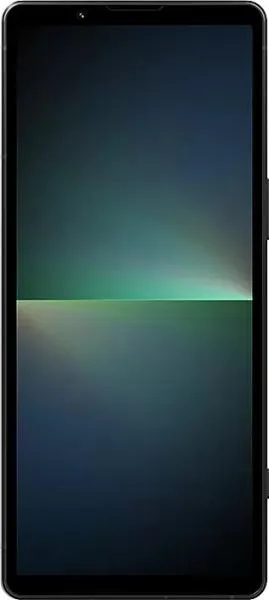
| Dimensions | 154x68x8.6mm | 160.5x75.1x7.8mm | Xperia 5 V is significantly more compact and might be preferable for one-handed use. 14T is thinner. |
| Weight | 182g | 193g | Xperia 5 V is noticeably lighter, improving comfort during extended use. |
| Fingerprint Sensor | Side-mounted | Under-display | Preference-based, but side-mounted often allows for quicker unlocking without needing to precisely position the finger on the screen. |
| Display | |||
| Size | 6.1" | 6.67" | 14T offers a larger screen for more immersive media consumption and multitasking, while the Xperia 5 V is more pocketable. |
| Type | OLED, 1B colors, 120Hz, HDR10, BT.2020 | AMOLED, 68B colors, 144Hz, Dolby Vision, HDR10+, 1600 nits (HBM), 4000 nits (peak) | Both are high-quality displays. 14T boasts higher peak brightness (4000 nits vs. unknown for Xperia), ensuring better visibility outdoors. 144Hz refresh rate on the 14T provides slightly smoother scrolling and animations compared to 120Hz on the Xperia. Dolby Vision and HDR10+ support on the 14T might offer a slight edge in HDR video quality. |
| Resolution | 1080x2520 | 1220x2712 | 14T has a higher resolution, but the practical difference in sharpness might be minimal due to the Xperia 5 V's smaller screen size and already high pixel density. |
| Performance | |||
| Chipset | Snapdragon 8 Gen 2 | MediaTek Dimensity 8300 Ultra | Snapdragon 8 Gen 2 is generally considered a more powerful chipset, likely offering better performance in demanding tasks and gaming. However, the Dimensity 8300 Ultra is a high-end chip and should still provide excellent performance for most users. |
| RAM | 8GB | 12GB | 14T offers more RAM, enabling better multitasking and smoother performance with numerous apps open. |
| Storage | 256GB | 512GB | 14T provides significantly more storage for apps, photos, and videos. |
| Camera | |||
| Video Capabilities | Up to 4K@120fps (HDR, OIS, EIS) | Up to 4K@60fps (HDR, EIS), 1080p@960fps | Xperia 5 V offers higher resolution slow-motion video (4K@120fps vs 1080p@960fps for 14T). Xperia also benefits from Optical Image Stabilization (OIS) in video recording, potentially resulting in smoother footage compared to the 14T's Electronic Image Stabilization (EIS). Missing details on specific camera sensors and lens configurations limit a comprehensive comparison. |
| Battery | |||
| Capacity | 5000 mAh | 5000 mAh | Similar battery capacities suggest comparable battery life, but real-world usage will depend on software optimization and individual usage patterns. |
| Charging | Missing fast charging specifications for both phones prevent comparison. |
2. Key Differences Analysis
Xperia 5 V Advantages:
- More Compact: Significantly smaller and lighter, ideal for one-handed use and portability.
- Potentially Superior Video Recording: OIS and higher resolution/frame rate slow-motion capabilities.
- Generally More Powerful Chipset: Snapdragon 8 Gen 2 offers a performance advantage.
Xiaomi 14T Advantages:
- Larger, Brighter Display: More immersive for media consumption, better outdoor visibility.
- Higher RAM and Storage: Smoother multitasking and ample space for files.
- Higher Refresh Rate: Slightly smoother scrolling and animations.
- Newer Android Version out-of-box: Android 14 vs Android 13. Though Xperia will likely receive the update.
3. User Profiles & Recommendations
Xperia 5 V: Users who prioritize a compact and lightweight phone with a premium feel, strong performance, and excellent video recording capabilities. Ideal for those who prefer one-handed operation and value portability.
Xiaomi 14T: Users who prioritize a large, bright display for media consumption and gaming, along with ample RAM and storage. Suitable for those who multitask heavily and appreciate a smooth user experience.
4. Decision Framework
Key Questions for Buyers:
- Do you prioritize portability and one-handed use or a larger display for media consumption?
- How important is raw performance versus battery life and charging speed (information missing)?
- What is your budget and how much value do you place on specific features like higher refresh rate, storage capacity, and camera capabilities?
My Choice: Xiaomi 14T
While the Xperia 5 V has a compelling form factor and powerful chipset, the Xiaomi 14T better suits my needs. The larger, brighter display with a 144Hz refresh rate is a significant draw for me, as I consume a lot of media on my phone. The extra RAM and storage are also crucial for my multitasking workflow. While I acknowledge the potential video recording advantages of the Xperia, the overall package of the 14T, with its newer Android version, superior display, and ample memory, makes it the more appealing choice. The slightly larger size is a trade-off I'm willing to make for the other benefits. Finally, the small launch date difference means the 14T will likely receive software support for a longer time. The lack of OIS for video is unfortunate but not a deal breaker.
