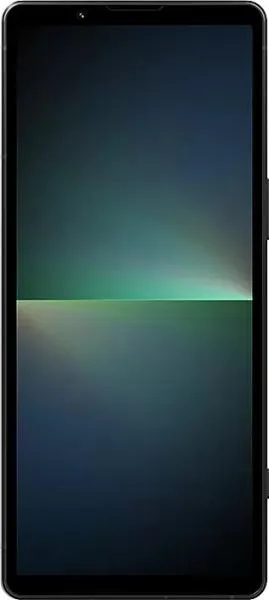

1. Specifications Comparison
| Feature | Sony Xperia 5 V | Xiaomi 14 | Practical Impact |
|---|---|---|---|
| Design | |||
| Dimensions | 154 x 68 x 8.6 mm | 152.8 x 71.5 x 8.2 mm | Xperia 5 V is taller and narrower, Xiaomi 14 slightly wider and thinner. Xiaomi 14 may feel more compact in hand for some. |
| Weight | 182g | 188g | Negligible weight difference in real-world usage. |
| Display | |||
| Size | 6.1" | 6.36" | Xiaomi 14 offers a larger viewing area for media consumption. |
| Type | OLED, 1B colors, 120Hz, HDR10, BT.2020 | LTPO OLED, 68B colors, 120Hz, Dolby Vision, HDR10+, 1000 nits (typ), 3000 nits (peak) | Xiaomi 14 boasts superior display technology with more colors, higher peak brightness (3000 nits vs unknown for Xperia), and Dolby Vision support resulting in a more vibrant and brighter image, especially outdoors. LTPO allows for more granular refresh rate control, potentially saving battery. |
| Resolution | 1080 x 2520 | 1200 x 2670 | Xiaomi 14 has a sharper display with higher pixel density (460 ppi vs 449 ppi). |
| Performance | |||
| Chipset | Snapdragon 8 Gen 2 | Snapdragon 8 Gen 3 | Xiaomi 14 utilizes a newer generation chipset, promising improved performance and efficiency. |
| CPU | Octa-core (1x3.2 GHz Cortex-X3 & ...) | Octa-core (1x3.3 GHz Cortex-X4 & ...) | Xiaomi 14's Cortex-X4 core and newer architecture should deliver faster processing speeds. |
| GPU | Adreno 740 | Adreno 750 | Xiaomi 14's newer GPU should offer better gaming and graphics performance. |
| RAM/Storage | 256GB/8GB | 512GB/12GB, 256GB/12GB | Xiaomi 14 offers more RAM and storage options, providing better multitasking and more space for files. |
| Camera | |||
| Video Capabilities | Up to 4K@120fps (HDR, OIS, EIS) | Up to 8K@24fps (HDR, EIS), 960fps slow-motion | Xiaomi 14 offers 8K video recording and significantly higher slow-motion capabilities. Xperia offers OIS for potentially smoother video. Lack of OIS detail on Xiaomi 14 makes direct video stabilization comparison difficult. |
| Battery | |||
| Capacity | 5000 mAh | 4610 mAh | Xperia 5 V has a larger battery capacity suggesting potentially longer battery life, though real-world usage will vary depending on factors like display brightness and usage patterns. Xiaomi's LTPO display might offset the smaller battery capacity. |
2. Key Differences Analysis
Xiaomi 14 Advantages:
- Newer, more powerful hardware: Snapdragon 8 Gen 3, Adreno 750 GPU, more RAM options. This translates to smoother performance in demanding tasks and games, and better future-proofing.
- Superior display: Brighter, more vibrant colors, higher resolution, Dolby Vision, LTPO for power efficiency. This results in a significantly better visual experience.
- Enhanced video recording: 8K resolution and extreme slow-motion capabilities.
- More storage options: Up to 512GB provides ample space for apps and media.
Sony Xperia 5 V Advantages:
- Potentially longer battery life: Larger 5000 mAh battery. Real-world results may vary.
- Possibly more stable video recording: OIS presence (unclear if Xiaomi 14 has it).
3. User Profiles & Recommendations
Xiaomi 14: Users who prioritize performance, a stunning display, the latest technology, ample storage, and advanced video recording features. Ideal for power users, gamers, content creators, and multimedia enthusiasts.
Sony Xperia 5 V: Users who value potential battery life and a more compact form factor. Ideal for users who prioritize portability and all-day usage.
4. Decision Framework
Key Questions:
- What is your budget and storage needs? Xiaomi 14 offers more storage options but likely at a higher cost for higher configurations.
- Is cutting-edge performance and display quality a priority? If yes, Xiaomi 14 is the clear winner.
- How important is battery life and portability? If these are primary concerns, the Xperia 5 V becomes a stronger contender.
My Choice: Xiaomi 14
While the Xperia 5 V has a potentially longer battery life, the Xiaomi 14's superior display, significantly faster performance due to the newer generation processor and GPU, and enhanced video recording capabilities make it the more compelling choice for me. The slightly smaller battery is likely offset by the LTPO display technology. The advancements in the Xiaomi 14 offer a more future-proof device and a richer overall user experience. I prioritize performance and screen quality, and I am willing to accept a potentially slightly shorter battery life for those benefits.
