
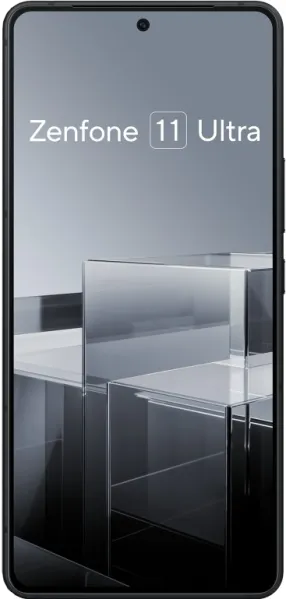
1. Specifications Comparison
| Feature | Sony Xperia 5 V | Asus Zenfone 11 Ultra | Practical Impact |
|---|---|---|---|
| Design | |||
| Dimensions | 154x68x8.6mm | 163.8x76.8x8.9mm | Xperia 5 V is significantly more compact and pocketable. Zenfone 11 Ultra is larger and heavier. |
| Weight | 182g | 224g | Xperia 5 V is noticeably lighter, reducing hand fatigue during extended use. |
| Display | |||
| Size | 6.1" | 6.78" | Zenfone 11 Ultra offers a larger screen for media consumption and multitasking, while Xperia 5 V is more one-hand-friendly. |
| Type | OLED, 120Hz, HDR10 | LTPO AMOLED, 144Hz, HDR10 | Both offer high-quality displays. Zenfone 11 Ultra's LTPO panel may offer slightly better power efficiency due to variable refresh rate. Its higher peak brightness (2500 nits) ensures excellent outdoor visibility. |
| Resolution | 1080x2520 | 1080x2400 | Xperia 5 V has a slightly higher pixel density (449 ppi vs 388 ppi), potentially resulting in sharper text. However, the difference might be negligible in real-world usage. |
| Refresh Rate | 120Hz | 144Hz | Zenfone 11 Ultra's higher refresh rate offers smoother scrolling and animations, but the difference between 120Hz and 144Hz is often subtle. |
| Performance | |||
| Chipset | Snapdragon 8 Gen 2 | Snapdragon 8 Gen 3 | Zenfone 11 Ultra benefits from the newer generation chipset, resulting in faster processing speeds and improved graphics performance. |
| CPU | Octa-core (up to 3.2 GHz) | Octa-core (up to 3.3 GHz) | Zenfone 11 Ultra has a slightly faster CPU clock speed. |
| GPU | Adreno 740 | Adreno 750 | Zenfone 11 Ultra boasts a more powerful GPU, leading to better gaming and graphics-intensive task performance. |
| RAM/Storage | 8GB/256GB | 16GB/512GB | Zenfone 11 Ultra offers significantly more RAM and storage, allowing for smoother multitasking and ample space for files and apps. |
| Camera | |||
| Video Capabilities | Up to 4K@120fps | Up to 8K@24fps and 720p@480fps | Both offer extensive video recording options. Xperia 5 V excels in 4K slow-motion, while Zenfone 11 Ultra offers higher resolution 8K recording and super slow-motion at 720p. OIS information missing for the Zenfone. |
| Battery | |||
| Capacity | 5000 mAh | 5500 mAh | Zenfone 11 Ultra has a larger battery, likely offering longer battery life. |
2. Key Differences Analysis
Sony Xperia 5 V Advantages:
- Compactness and Ergonomics: Significantly smaller and lighter, ideal for one-handed use and portability.
- Higher Pixel Density: Slightly sharper display.
Asus Zenfone 11 Ultra Advantages:
- Performance: Newer and more powerful chipset, CPU, and GPU for smoother performance and better gaming.
- Larger Display: More immersive experience for media consumption and multitasking.
- More RAM and Storage: Superior multitasking capabilities and ample storage space.
- Higher Resolution and Slow-Motion Video: Offers 8K recording and higher frame rate slow-motion.
- Larger Battery: Potentially longer battery life.
- Brighter Display: Much brighter display for better outdoor visibility
3. User Profiles & Recommendations
Sony Xperia 5 V: Users prioritizing a compact, lightweight phone with a great display. Suitable for one-handed use, portability, and everyday tasks.
Asus Zenfone 11 Ultra: Power users, gamers, and multimedia enthusiasts who demand top-tier performance, a large screen, and ample storage.
4. Decision Framework
Key Questions:
- What size phone do you prefer? Compact and one-hand friendly or large and immersive?
- What is your primary use case? Everyday tasks, media consumption, gaming, or productivity?
- What is your budget? While both are mid-range, the Zenfone 11 Ultra might be priced higher due to its superior specs.
Scenario-Based Recommendations:
- Commuter prioritizing portability: Sony Xperia 5 V
- Gamer seeking high performance: Asus Zenfone 11 Ultra
- Multimedia enthusiast needing a large screen: Asus Zenfone 11 Ultra
My Choice: Asus Zenfone 11 Ultra
While I appreciate the Xperia 5 V's compact form factor, the Zenfone 11 Ultra's superior performance, larger and brighter display, greater RAM and storage, and larger battery make it the more compelling device for my needs. The newer Snapdragon 8 Gen 3, coupled with the Adreno 750 GPU and 16GB of RAM, ensures a future-proof device capable of handling demanding tasks and games with ease. The larger battery also addresses a key concern for power users. The significantly brighter display makes it a clear winner for outdoor use. The lack of OIS information on the Zenfone is a concern, but its other advantages outweigh this missing detail for me. I am willing to compromise on size and weight for the significant performance and feature upgrades.
