1. Specifications Comparison
| Feature | Sony Xperia 5 V | Asus ROG Phone 8 | Practical Impact |
|---|---|---|---|
| Design | |||
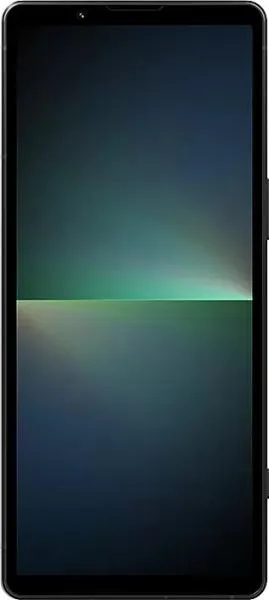
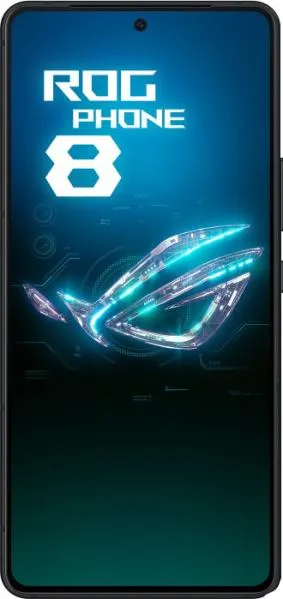
| Dimensions | 154x68x8.6mm | 163.8x76.8x8.9mm | ROG Phone 8 significantly larger and heavier. Xperia 5 V offers better one-handed usability and portability. |
| Weight | 182g | 225g | ROG Phone 8 noticeably heavier, potentially fatiguing during extended use. |
| Display | |||
| Size | 6.1" | 6.78" | ROG Phone 8 provides a larger viewing area for media consumption and gaming. Xperia 5 V more pocketable. |
| Type | OLED, 120Hz | LTPO AMOLED, 165Hz | ROG Phone 8's LTPO display allows for variable refresh rate, potentially saving battery. Higher refresh rate smoother visuals. |
| Resolution | 1080x2520 | 1080x2400 | Similar pixel density due to size difference. Xperia 5 V slightly sharper due to higher PPI. |
| Peak Brightness | Not specified | 2500 nits | ROG Phone 8 offers superior outdoor visibility. Missing Xperia 5 V data prevents full comparison. |
| Performance | |||
| Chipset | Snapdragon 8 Gen 2 | Snapdragon 8 Gen 3 | ROG Phone 8 benefits from newer generation chipset, resulting in faster performance and better efficiency. |
| CPU | Octa-core (1x3.2 GHz Cortex-X3...) | Octa-core (1x3.3 GHz Cortex-X4...) | ROG Phone 8 has slightly faster CPU clock speeds and newer architecture. Noticeable in demanding tasks. |
| GPU | Adreno 740 | Adreno 750 | ROG Phone 8's GPU provides a performance boost, beneficial for gaming and graphically intensive applications. |
| RAM | 8GB | 16GB | ROG Phone 8 offers double the RAM, enabling smoother multitasking and better handling of demanding applications. |
| Storage | 256GB | 256GB | Storage capacity is identical. |
| Battery | |||
| Capacity | 5000 mAh | 6000 mAh | ROG Phone 8 has a larger battery, potentially leading to longer battery life. |
| Other | |||
| OS | Android 13 | Android 14 | ROG Phone 8 ships with a newer Android version and longer OS update commitment based on historical trends. |
| Video Capabilities | Up to 4K@120fps | Up to 8K@24fps | ROG Phone 8 can record in higher resolution, though 4K is sufficient for most users. Both offer high frame rate options. |
2. Key Differences Analysis
Sony Xperia 5 V Advantages:
- More Compact and Lighter: Significant advantage for one-handed use and portability.
- Potentially Better Price: While both are mid-range, the older Xperia might be more affordable.
Asus ROG Phone 8 Advantages:
- Superior Performance: Newer chipset, faster CPU and GPU, and more RAM translate to a noticeable difference in speed and responsiveness, especially in demanding tasks and gaming.
- Larger Display and Higher Refresh Rate: Provides a more immersive experience for media consumption and gaming. LTPO panel offers potential battery life benefits.
- Larger Battery: Likely translates to longer usage time between charges.
- Newer Android Version: Ensures longer software support and access to the latest features.
- Higher Resolution Video Recording: Offers 8K recording for those who need it.
Trade-offs:
- Size and Weight: The ROG Phone 8's larger size and weight might be cumbersome for some users.
- Price: The ROG Phone 8 is likely to be more expensive.
3. User Profiles & Recommendations
Sony Xperia 5 V:
- Ideal User: Users prioritizing portability, one-handed usability, and a compact form factor. Users on a tighter budget.
- Use Cases: Everyday tasks, web browsing, social media, casual gaming, photography, video recording (up to 4K).
Asus ROG Phone 8:
- Ideal User: Gamers, power users, and those who prioritize performance, a large display, and long battery life. Content creators who need 8K video recording.
- Use Cases: Demanding gaming, video editing, multitasking, media consumption, content creation.
4. Decision Framework
Key Questions for Buyers:
- What is your budget? The ROG Phone 8 will likely be more expensive.
- What is your primary use case? Gaming and demanding tasks favor the ROG Phone 8. Everyday use favors either, with the Xperia 5 V offering greater portability.
- Do you prioritize portability and one-handed use? If so, the Xperia 5 V is the clear winner.
Scenario-Based Recommendations:
- Gamer: ROG Phone 8
- On-the-go Professional: Xperia 5 V (if portability is paramount), ROG Phone 8 (if performance is crucial).
- Casual User: Either phone, depending on budget and size preference.
My Choice: Asus ROG Phone 8
While I appreciate the compact size of the Xperia 5 V, the ROG Phone 8's superior performance, larger battery, and newer technology are more compelling for my needs. I value a smooth and responsive experience, especially for multitasking and occasional gaming. The larger display is also a plus for media consumption. While the extra weight is a consideration, the performance benefits outweigh the portability trade-off for me. The longer software support expected with the newer Android version also contributes to the decision. Finally, having the option for 8K video recording, even if rarely used, offers future-proofing.
