
1. Specifications Comparison
| Feature | Sony Xperia 10 V | Xiaomi 14T | Practical Impact |
|---|---|---|---|
| Design | |||
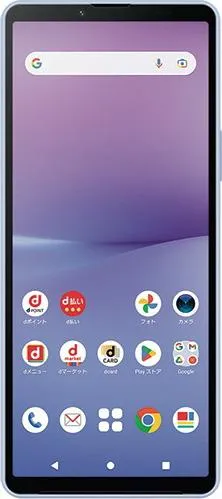
| Dimensions (mm) | 155 x 68 x 8.3 | 160.5 x 75.1 x 7.8 | Xperia 10 V is noticeably smaller and lighter, making it more pocketable and comfortable for one-handed use. |
| Weight (g) | 159 | 193 | The Xperia 10 V is significantly lighter, reducing hand fatigue during extended use. |
| Display | |||
| Size (inches) | 6.1 | 6.67 | Xiaomi 14T offers a larger screen for more immersive media consumption and multitasking. |
| Resolution | 1080 x 2520 | 1220 x 2712 | Both offer sharp displays, but the 14T's higher resolution provides slightly more detail. |
| Type | OLED | AMOLED | While both are OLED-based, the 14T uses AMOLED C8+ which potentially offers better contrast and color accuracy. |
| Refresh Rate | Not specified | 144Hz | The 14T's high refresh rate results in smoother animations and scrolling, particularly noticeable in gaming and fast-paced content. The lack of refresh rate specification for the Xperia limits a direct comparison in this aspect. |
| Peak Brightness | Not specified | 4000 nits | The 14T's significantly higher peak brightness ensures excellent outdoor visibility. The missing spec for the Xperia 10 V prevents a comprehensive comparison. |
| Performance | |||
| Chipset | Snapdragon 695 | Dimensity 8300 Ultra | The Dimensity 8300 Ultra in the 14T is considerably more powerful, enabling smoother performance in demanding tasks and gaming. |
| CPU | Octa-core (2x2.2 GHz & 6x1.7 GHz) | Octa-core (1x3.35 GHz & 3x3.2 GHz & 4x2.2 GHz) | The 14T's CPU boasts higher clock speeds and a more modern architecture, translating to faster processing and better multitasking. |
| RAM | 6GB/8GB | 12GB | The 14T offers significantly more RAM, allowing for smoother multitasking and keeping more apps open in the background. |
| Camera | |||
| Main Camera | 48MP | 50MP | Both have high-resolution main cameras, but the sensor and image processing will ultimately determine image quality. The 14T uses a larger sensor (1/1.56") compared to the Xperia 10 V (1/2"), allowing for potentially better low-light performance and dynamic range. |
| Video Recording | 1080p@30fps | Up to 4K@60fps with HDR, EIS | The 14T offers significantly better video recording capabilities with higher resolution, frame rates, and HDR support. |
| DXOMARK Score | 78 | 134 | The 14T scores significantly higher in DXOMARK tests, indicating superior overall camera performance. |
| Battery | |||
| Capacity | 5000 mAh | 5000 mAh | Both phones have the same battery capacity, but real-world battery life will depend on factors like software optimization and display efficiency. |
2. Key Differences Analysis
Xiaomi 14T Advantages:
- Significantly more powerful: The Dimensity 8300 Ultra, coupled with 12GB RAM, delivers superior performance for demanding tasks and gaming.
- Superior display: Larger, higher resolution, faster refresh rate, and higher peak brightness provide a more immersive and enjoyable viewing experience.
- Advanced camera system: Offers higher resolution sensors, better video recording capabilities, and a much higher DXOMARK score, indicating superior image and video quality.
Sony Xperia 10 V Advantages:
- Smaller and lighter: More compact and lightweight design, making it easier to handle and carry.
Trade-offs:
- The Xperia 10 V sacrifices performance and features for a smaller, lighter form factor.
- The Xiaomi 14T is larger and heavier, but offers a significant upgrade in performance, display, and camera capabilities.
3. User Profiles & Recommendations
Sony Xperia 10 V: Ideal for users who prioritize portability and one-handed use above all else and have light usage patterns. Best for calling, texting, and basic web browsing.
Xiaomi 14T: Suitable for users who demand high performance, a great display, and a capable camera. Excellent for gaming, media consumption, content creation, and multitasking.
4. Decision Framework
Key Questions:
- What is your budget? The Xiaomi 14T is considerably more expensive.
- What is your primary use case? (e.g., gaming, photography, basic communication)
- Do you prioritize portability or performance?
Scenario-Based Recommendations:
- Tight budget and basic needs: Sony Xperia 10 V
- Demand high performance and premium features: Xiaomi 14T
- Value a balance of portability and performance: Consider other options within the mid-range price segment.
My Choice: Xiaomi 14T
While the Sony Xperia 10 V offers a compact design, the Xiaomi 14T's significant advantages in performance, display, and camera make it the clear winner for me. I prioritize a smooth user experience, a vibrant display for media consumption, and a capable camera for capturing memories. The 14T's superior specifications in these areas outweigh the benefit of a slightly smaller phone. The higher price is justified by the significant jump in overall quality and capabilities. I am willing to compromise on size and weight for a noticeably better user experience.
