1. Specifications Comparison
| Feature | Sony Xperia 10 V | Google Pixel 9 Pro Fold | Practical Impact |
|---|---|---|---|
| Design | |||
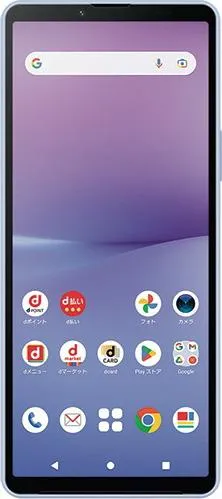
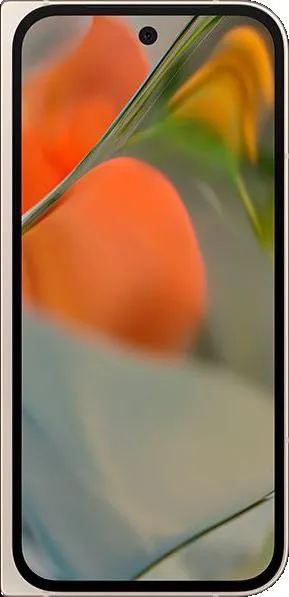
| Dimensions (mm) | 155 x 68 x 8.3 | 155.2 x 150.2 x 5.1 | Xperia 10 V is significantly thinner and lighter, easier for one-handed use and pocketability. Pixel 9 Pro Fold is thicker and heavier due to its folding design. |
| Weight (g) | 159 | 257 | Xperia 10 V is much lighter, reducing hand fatigue during extended use. |
| Foldable | No | Yes | Pixel 9 Pro Fold offers a larger screen real estate in a compact form factor, enabling multitasking and immersive content consumption. |
| Display | |||
| Display Size (inches) | 6.1 | 8 | Pixel 9 Pro Fold boasts a much larger display, ideal for media consumption and productivity. |
| Resolution (pixels) | 1080 x 2520 | 2076 x 2152 | Pixel 9 Pro Fold has a higher resolution, resulting in sharper images and text. However, the Xperia 10 V's resolution is still sharp for its size. |
| Display Type | OLED | Foldable LTPO OLED | Both offer excellent color accuracy and contrast. LTPO on the Pixel allows for dynamic refresh rate adjustment, saving battery. |
| Refresh Rate (Hz) | Not specified | 120 | 120Hz on the Pixel 9 Pro Fold provides smoother animations and scrolling compared to the Xperia 10 V's unspecified refresh rate (likely 60Hz). |
| Performance | |||
| Chipset | Snapdragon 695 5G (6 nm) | Google Tensor G4 (4 nm) | Tensor G4 offers significantly improved performance and AI capabilities compared to the mid-range Snapdragon 695. |
| CPU | Octa-core (2x2.2 GHz & 6x1.7 GHz) | Octa-core (1x3.1 GHz & 3x2.6 GHz & 4x1.92 GHz) | Pixel 9 Pro Fold will handle demanding tasks and multitasking much more efficiently. |
| RAM (GB) | 6/8 | 16 | Pixel 9 Pro Fold's larger RAM enables smoother multitasking and faster app loading. |
| Camera | |||
| Main Camera (MP) | 48 | 48 | Similar megapixel count, but image quality will likely differ due to processing and sensor differences. |
| Video Recording | 1080p@30fps | Up to 4K@60fps with HDR, OIS, EIS | Pixel 9 Pro Fold provides superior video recording capabilities with higher resolution, frame rates, and stabilization. |
| Battery | |||
| Capacity (mAh) | 5000 | 4650 | Xperia 10 V has a slightly larger battery capacity, potentially offering longer battery life. However, the Pixel's LTPO display can mitigate this difference. |
2. Key Differences Analysis
Sony Xperia 10 V Advantages:
- Lighter and Thinner: Significantly more pocketable and comfortable for one-handed use.
- Potentially Longer Battery Life: Larger battery capacity might translate to longer usage time.
- Lower Price: Positioned in the mid-range price segment.
Google Pixel 9 Pro Fold Advantages:
- Foldable Display: Offers a larger screen in a compact form factor, enhancing multitasking and media consumption.
- Significantly More Powerful: The Tensor G4 chipset provides superior performance for demanding tasks and gaming.
- Higher Refresh Rate Display: Smoother scrolling and animations thanks to the 120Hz refresh rate.
- Superior Camera Features: Offers higher resolution video recording, better stabilization, and advanced features.
3. User Profiles & Recommendations
Sony Xperia 10 V: Ideal for users seeking a lightweight, affordable phone with good battery life for everyday tasks like browsing, social media, and communication. Not recommended for demanding gaming or heavy multitasking.
Google Pixel 9 Pro Fold: Ideal for power users, content creators, and multitaskers who value a large, high-quality display, top-tier performance, and advanced camera features. The folding form factor adds versatility for different usage scenarios.
4. Decision Framework
Key Questions for Buyers:
- Budget: Are you looking for a mid-range or high-end phone?
- Performance Needs: Do you require top-tier processing power for demanding tasks or gaming?
- Form Factor Preference: Do you prioritize portability and one-handed use, or a larger, foldable screen?
My Choice: Google Pixel 9 Pro Fold
While the Sony Xperia 10 V offers a compelling combination of portability and affordability, the Google Pixel 9 Pro Fold is the clear winner for me. The foldable form factor, combined with the significantly more powerful Tensor G4 chip, superior camera, and high refresh rate display, outweighs the price difference and slightly smaller battery. I value the versatility and productivity benefits of the larger screen and the smooth performance for demanding tasks and multitasking. The Xperia 10 V is a good option for budget-conscious buyers, but the Pixel 9 Pro Fold represents a substantial leap in technology and user experience. The future is foldable, and the performance gap is too significant to ignore.
