1. Specifications Comparison
| Feature | Samsung Galaxy Z Fold5 | Xiaomi 14T | Practical Impact |
|---|---|---|---|
| Design | |||
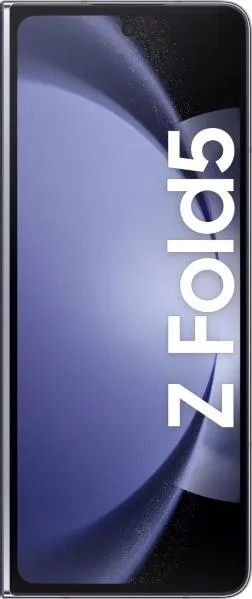
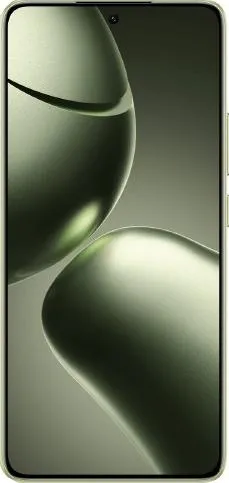
| Dimensions | 154.9 x 129.9 x 6.1 mm (folded) | 160.5 x 75.1 x 7.8 mm | Fold5 is significantly more compact when folded, but thicker. 14T is a more traditional slab design. Fold5's foldability offers unique portability and a larger screen in a pocketable device. |
| Weight | 253g | 193g | Fold5 is noticeably heavier due to its complex hinge and dual displays. 14T offers a more traditional lightweight feel. |
| Foldable | Yes | No | Fold5's foldable design allows for a tablet-like experience in a phone form factor, while 14T offers a standard smartphone experience. |
| Display | |||
| Display Type | Foldable Dynamic AMOLED 2X | AMOLED | Fold5 utilizes a cutting-edge foldable display technology, while 14T employs a standard, albeit high-quality, AMOLED screen. |
| Size | 7.6" (main), ~6.2" (cover) | 6.67" | Fold5 offers a significantly larger main display for multitasking and media consumption, along with a usable cover display. 14T has a large screen by traditional standards. |
| Resolution | 1812 x 2176 (main) | 1220 x 2712 | Both offer sharp displays, but the Fold5's lower pixel density on the main screen might be noticeable due to its larger size. 14T's taller aspect ratio is suited for scrolling web pages. |
| Refresh Rate | 120Hz | 144Hz | 14T boasts a slightly smoother display refresh rate for fast-paced gaming and scrolling. However, both offer high refresh rates for a fluid user experience. The difference might not be perceptible to most users. |
| Peak Brightness | Not specified | 4000 nits | The 14T's exceptionally high peak brightness ensures excellent outdoor visibility. Lack of data for the Fold5 prevents direct comparison in this area. |
| Performance | |||
| Chipset | Snapdragon 8 Gen 2 | Dimensity 8300 Ultra | Both are powerful chipsets, offering flagship-level performance. Benchmarking comparisons would be needed to determine granular performance differences. |
| CPU | Octa-core (1x3.36 GHz Cortex-X3 & 2x2.8 GHz Cortex-A715 & 2x2.8 GHz Cortex-A710 & 3x2.0 GHz Cortex-A510) | Octa-core (1x3.35 GHz Cortex-A715 & 3x3.20 GHz Cortex-A715 & 4x2.20 GHz Cortex-A510) | Both CPUs offer powerful performance. Specific core configurations suggest potential differences in sustained performance and efficiency, requiring further benchmarking analysis. |
| GPU | Adreno 740 | Mali G615-MC6 | Both GPUs are capable of handling demanding games and applications. Real-world gaming performance comparisons are needed to determine which offers a superior experience. |
| RAM | 12GB | 12GB | Both phones offer ample RAM for smooth multitasking. |
| Battery | |||
| Capacity | 4400 mAh | 5000 mAh | The 14T has a larger battery capacity, potentially offering longer battery life. However, the Fold5's larger display might consume more power. Real-world usage will determine actual battery life. |
2. Key Differences Analysis
Samsung Galaxy Z Fold5 Advantages:
- Foldable Design: The unique form factor enables a tablet-like experience with enhanced multitasking and media consumption.
- Larger Main Display: Provides a significantly bigger screen real estate for productivity and entertainment.
Xiaomi 14T Advantages:
- Higher Refresh Rate & Peak Brightness: Offers a slightly smoother display and superior outdoor visibility.
- Larger Battery Capacity: Potentially leading to longer battery life.
- Lighter Weight: More comfortable for one-handed use.
- Potentially Lower Price: While both are in the "medium price" range, newer Xiaomi devices often undercut Samsung flagships in price.
Trade-offs:
- Fold5: Higher price, heavier weight, smaller battery capacity, crease in the folding display.
- 14T: Lacks the foldable form factor and its associated benefits.
3. User Profiles & Recommendations
Fold5 Ideal User: Power users, multitaskers, content creators, those who value portability and a large screen.
Fold5 Use Cases: Multitasking with multiple apps, watching videos, reading ebooks, taking notes, mobile gaming.
14T Ideal User: Users seeking a high-performance phone with a great display, long battery life, and a more traditional form factor. Gamers, media consumers, those seeking a good value proposition. 14T Use Cases: Mobile gaming, watching videos, browsing social media, photography.
4. Decision Framework
Key Questions for Buyers:
- How important is portability and a large screen? If crucial, the Fold5's foldable design is a compelling advantage.
- Is battery life a primary concern? The 14T's larger battery might be preferable.
- What is your budget? The Fold5 is likely to be more expensive.
Scenario-Based Recommendations:
- Limited Budget, Value-Oriented: Xiaomi 14T
- Prioritize Multitasking and Large Screen: Samsung Galaxy Z Fold5
- Gamer Focused on Smooth Display: Xiaomi 14T (due to 144Hz refresh rate)
My Choice: Xiaomi 14T
While the Fold5's innovative design is tempting, the Xiaomi 14T offers a more practical package for my needs. I prioritize a long battery life, a bright and smooth display, and a lighter weight for comfortable everyday use. The 144Hz refresh rate is a bonus for gaming. While I appreciate the Fold5's larger screen for multitasking, the added bulk, potential crease issues, and higher price make the 14T a more compelling option for me. Ultimately, the Fold5's folding capability doesn't outweigh the 14T's advantages in my daily usage scenarios.
