1. Specifications Comparison
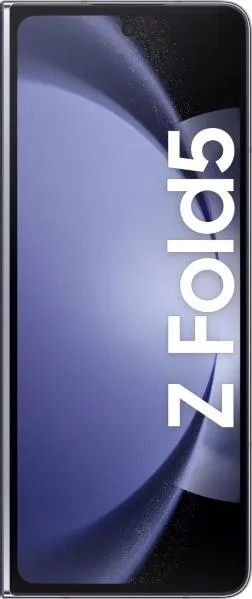
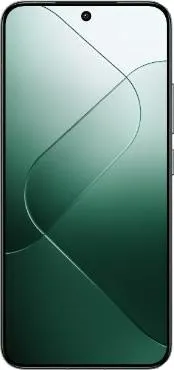
| Feature | Samsung Galaxy Z Fold5 | Xiaomi 14 | Practical Impact |
|---|---|---|---|
| Design | |||
| Dimensions | 154.9 x 129.9 x 6.1 mm (unfolded) Folded dimensions not provided | 152.8 x 71.5 x 8.2 mm | Fold5 offers a larger screen real estate when unfolded but is significantly thicker and potentially less pocketable when folded. Lack of folded dimensions for Fold5 makes full portability comparison difficult. |
| Weight | 253g | 188g | Xiaomi 14 is significantly lighter, making it more comfortable for one-handed use and extended periods. |
| Foldable | Yes | No | Fold5's foldable design provides a unique, larger screen experience for multitasking and media consumption, but introduces potential durability concerns and bulk. |
| Display | |||
| Size | 7.6" (unfolded) Cover screen size not provided | 6.36" | Fold5 offers a significantly larger main display for immersive experiences, but the lack of cover screen specs limits usability comparison in the folded state. |
| Type | Foldable Dynamic AMOLED 2X | LTPO OLED | Both offer excellent color accuracy and contrast. LTPO on Xiaomi 14 allows for more granular refresh rate control, potentially saving battery. |
| Resolution | 1812 x 2176 | 1200 x 2670 | Xiaomi 14 has a sharper display (higher pixel density) despite a smaller size, resulting in crisper text and images. |
| Refresh Rate | 120Hz | 120Hz | Both offer smooth scrolling and animations. |
| Peak Brightness | Not provided | 3000 nits | Xiaomi 14's significantly higher peak brightness ensures excellent outdoor visibility. Missing data for Fold5 prevents a direct comparison. |
| Performance | |||
| Chipset | Snapdragon 8 Gen 2 | Snapdragon 8 Gen 3 | Xiaomi 14 benefits from a newer generation chipset, likely resulting in faster performance and improved power efficiency. |
| CPU | Octa-core (1x3.36 GHz Cortex-X3 & ...) | Octa-core (1x3.3 GHz Cortex-X4 & ...) | Both offer high-end performance, but the architectural improvements in the 8 Gen 3 should give the Xiaomi 14 an edge in speed and efficiency. |
| GPU | Adreno 740 | Adreno 750 | Xiaomi 14's Adreno 750 offers better graphics performance, beneficial for demanding games and applications. |
| RAM/Storage | 12GB/512GB, 12GB/1000GB | 12GB/256GB, 12GB/512GB | Both offer ample RAM for multitasking. Storage options are comparable. |
| Battery | |||
| Capacity | 4400 mAh | 4610 mAh | Xiaomi 14 has a slightly larger battery. However, real-world battery life depends on many factors, including display size and usage patterns. |
| Other | |||
| OS | Android 13 | Android 14 | Xiaomi 14 ships with the latest Android version, offering potential new features and longer software support. |
2. Key Differences Analysis
Samsung Galaxy Z Fold5 Advantages:
- Larger, Foldable Display: Offers a tablet-like experience for multitasking, media consumption, and productivity.
- Unique Form Factor: Provides a distinctive device that stands out from traditional smartphones.
Xiaomi 14 Advantages:
- Lighter and More Pocketable: Easier to carry and use one-handed.
- Sharper Display: Higher pixel density results in a crisper viewing experience.
- More Powerful Chipset: Offers improved performance and efficiency.
- Brighter Display: Ensures better visibility outdoors.
- Latest Android Version: Provides newer features and potentially longer software updates.
- Potentially Better Battery Life: Larger battery and more efficient chipset could result in longer usage time. This needs real-world testing to confirm.
Trade-offs:
- Fold5: Larger screen and foldable design come at the cost of increased weight, thickness, and potential durability concerns. Missing cover screen specifications hinder a complete comparison.
- Xiaomi 14: Lacks the unique functionality and larger screen real estate of a foldable device.
3. User Profiles & Recommendations
Samsung Galaxy Z Fold5: Ideal for users who prioritize a large screen for productivity, multitasking, and media consumption and are willing to compromise on portability and potential durability concerns. Use cases include: reading ebooks, watching videos, mobile gaming, editing documents, using split-screen apps.
Xiaomi 14: Suitable for users who value a lightweight, pocketable device with a sharp display, strong performance, and long battery life. Use cases include: everyday tasks, social media, web browsing, photography, light gaming.
4. Decision Framework
Key Questions for Buyers:
- How important is screen size and foldability? Are you willing to prioritize a larger, foldable screen over portability and potentially higher cost?
- What is your budget? Foldable phones typically command a premium price.
- What are your primary use cases? Do you need a device for productivity and multitasking, or is a traditional smartphone sufficient?
My Choice: Xiaomi 14
While the Fold5's foldable screen is intriguing, the Xiaomi 14 offers a more well-rounded package for my needs. The lighter weight, sharper display, more powerful processor, brighter screen for outdoor use, and latest Android OS are significant advantages. The price range being similar makes the Xiaomi 14 a better value proposition for me. I prioritize portability, performance, and battery life over the novelty of a foldable screen. The lack of complete specifications for the Fold5, particularly the missing cover screen details and peak brightness, makes it difficult to fully assess its usability. Finally, the advancements in the Snapdragon 8 Gen 3 chip offer a tangible performance and efficiency boost that is important for my usage.
