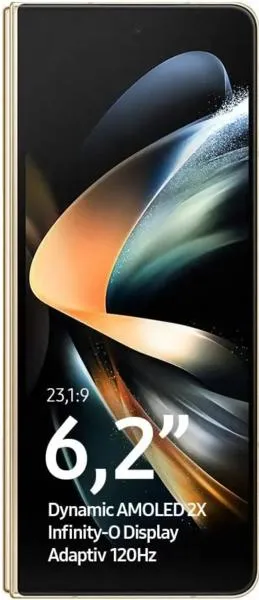
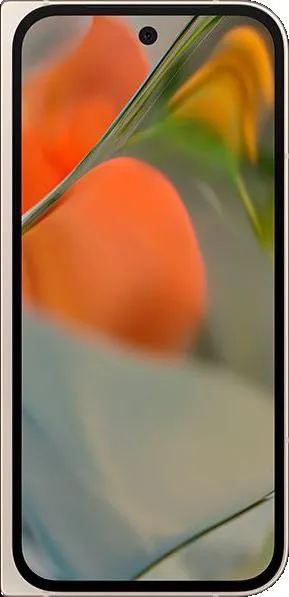
Let's dive into a comparative analysis of the Samsung Galaxy Z Fold4 and the Google Pixel 9 Pro Fold, dissecting their specifications and translating them into real-world implications for you.
1. Specifications Breakdown
| Feature | Samsung Galaxy Z Fold4 | Google Pixel 9 Pro Fold | Real-World Implications |
|---|---|---|---|
| Design | |||
| Dimensions (mm) | 155.1 x 130.1 x 6.3 | 155.2 x 150.2 x 5.1 | Pixel 9 Pro Fold is wider when unfolded, potentially less pocketable when folded. |
| Weight (g) | 263 | 257 | Negligible difference in weight. |
| Foldable | Yes | Yes | Both offer the flexibility of a large screen in a pocketable form factor. |
| Display | |||
| Size (inches) | 7.6 | 8 | Pixel offers a larger main display for more immersive content consumption. |
| Resolution (px) | 1812 x 2176 | 2076 x 2152 | Pixel boasts slightly higher resolution, but both are incredibly sharp. |
| Refresh Rate (Hz) | 120 | 120 | Both offer smooth scrolling and animations. |
| Display Type | Dynamic AMOLED 2X | LTPO OLED | Pixel's LTPO panel may offer better power efficiency with variable refresh rate (not confirmed in specs). |
| Performance | |||
| Chipset | Snapdragon 8+ Gen 1 | Google Tensor G4 | Tensor G4 is newer, likely offering performance and AI advantages. |
| CPU | Octa-core (X2, A710, A510) | Octa-core (X4, A720, A520) | Both are powerful, but Tensor G4's architecture is more modern. |
| RAM (GB) | 12 | 16 | Pixel's extra RAM could improve multitasking and app switching. |
| Camera | |||
| Main Camera (MP) | 50 | 48 | Samsung likely retains an edge in raw image quality, though real-world testing is needed. |
| Telephoto (MP) | 10 | 10.8 | Similar telephoto capabilities, Pixel may have slight reach advantage. |
| Battery Life | |||
| Capacity (mAh) | 4400 | 4650 | Pixel offers a slightly larger battery, potentially translating to longer usage time. |
| Fast Charging (W) | 25 | 27 | Pixel has slightly faster wired charging. |
2. Key Insights
- Display: The Pixel 9 Pro Fold's larger display and potential LTPO technology are compelling for media consumption. However, Samsung's AMOLED 2X typically delivers vibrant colors and deep blacks.
- Performance: The newer Tensor G4 chip and increased RAM in the Pixel suggest a performance advantage, especially in AI-driven tasks. However, Snapdragon 8+ Gen 1 is no slouch.
- Camera: On paper, Samsung seems to have a slight edge in camera hardware, specifically the main sensor. However, Google's computational photography prowess could level the playing field. Real-world image comparisons are crucial.
- Battery: The Pixel's larger battery and faster charging are practical advantages. However, software optimization plays a significant role in actual battery life.
3. User Profiles and Recommendations
- Z Fold4: Ideal for users prioritizing a compact folded size, vibrant display, and a proven camera system. Its established track record in the foldable market adds to its appeal.
- Pixel 9 Pro Fold: Best suited for users who demand the largest possible foldable screen, cutting-edge performance, and the latest Android features. Those deeply embedded in the Google ecosystem will appreciate the seamless integration.
4. Buying Decision Framework
- What screen size matters most? If maximizing screen real estate is paramount, the Pixel 9 Pro Fold is the clear winner. If pocketability is a higher priority, the Z Fold4 is more compact when folded.
- How important is raw performance vs. AI capabilities? For gaming and demanding applications, both phones will excel. However, if you value Google's AI features, like advanced voice assistance and context-aware processing, the Pixel has an edge.
- What's your budget? The Pixel 9 Pro Fold is positioned in a higher price bracket. The Z Fold4, being a previous generation, might offer better value for money depending on discounts and availability.
My Choice: Google Pixel 9 Pro Fold
While the Z Fold4 is a compelling device, I would choose the Pixel 9 Pro Fold. The larger display, combined with the performance gains from the Tensor G4 and increased RAM, are significant upgrades for my workflow. I'm particularly intrigued by the potential of the newer chip's AI capabilities and Google's advancements in computational photography. While the price premium is a factor, the future-proof nature of the Pixel, with its longer software update commitment, makes it a worthwhile investment for me in the long run. Finally, as someone who values being on the cutting edge of mobile technology, the newer hardware and software of the Pixel align more closely with my preferences.
