1. Specifications Comparison
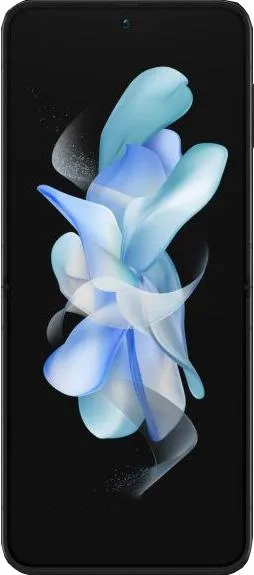
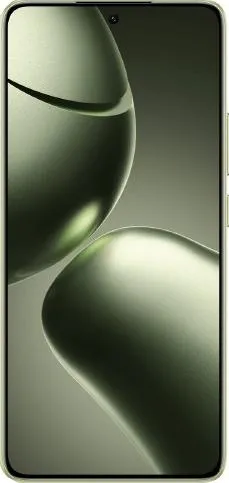
| Feature | Samsung Galaxy Z Flip5 | Xiaomi 14T | Practical Impact |
|---|---|---|---|
| Design | |||
| Dimensions | 165.1 x 71.9 x 6.9 mm (folded) | 160.5 x 75.1 x 7.8 mm | Flip5 significantly smaller when folded, pocketable; 14T thinner when unfolded. |
| Weight | 187g | 193g | Negligible weight difference in real-world usage. |
| Foldable | Yes | No | Flip5 offers unique portability and form factor; 14T is a traditional slab phone. |
| Display | |||
| Size | 6.7" | 6.67" | Virtually identical screen real estate. |
| Type | Foldable Dynamic AMOLED 2X | AMOLED | Flip5's folding screen enables compact portability; 14T offers a standard viewing experience. |
| Refresh Rate | 120Hz | 144Hz | 14T offers slightly smoother animations and scrolling, but the difference is minimal in most use cases. |
| Peak Brightness | 1750 nits | 4000 nits | 14T boasts significantly higher peak brightness, ensuring better visibility in direct sunlight. |
| Resolution | 1080 x 2640 | 1220 x 2712 | 14T has a slightly sharper display due to higher resolution and pixel density. |
| Performance | |||
| Chipset | Snapdragon 8 Gen 2 | Dimensity 8300 Ultra | Both are high-performance chipsets, but benchmarks would be needed for detailed comparison. |
| CPU | Octa-core (1x3.36 GHz Cortex-X3 & ...) | Octa-core (1x3.35 GHz Cortex-A715 & ...) | Both offer powerful CPUs; differences in architecture require benchmark comparisons for practical performance assessment. |
| GPU | Adreno 740 | Mali G615-MC6 | Gaming and graphic-intensive tasks might show performance differences; benchmarks are needed for accurate comparison. |
| RAM | 8GB | 12GB | 14T offers more RAM, potentially leading to better multitasking and app performance in the long run. |
| Storage | 512GB | 512GB | Identical storage capacity. |
| Battery | |||
| Capacity | 3700 mAh | 5000 mAh | 14T has significantly larger battery capacity, likely translating to longer battery life. |
| Other | |||
| OS | Android 13 (upgradable to 14) | Android 14 | 14T launches with the latest Android version. |
| Price Range | Medium | Medium | Direct price comparison needed for value assessment. |
2. Key Differences Analysis
Samsung Galaxy Z Flip5 Advantages:
- Portability: The foldable design makes it incredibly compact.
- Unique Form Factor: Offers a distinct and stylish look.
- Flex Mode: Enables unique camera angles and hands-free video calls (not explicitly mentioned in specs, but a known feature).
Xiaomi 14T Advantages:
- Larger Battery: Significantly longer battery life.
- Brighter Display: Excellent outdoor visibility.
- Higher Refresh Rate: Slightly smoother visuals.
- More RAM: Improved multitasking and future-proofing.
- Latest Android Version: Out-of-the-box access to new features and security updates.
Trade-offs:
- Flip5: Smaller battery, lower peak brightness, potentially higher price for foldable technology.
- 14T: Less pocketable, conventional design.
3. User Profiles & Recommendations
Flip5: Ideal for users prioritizing portability and style, willing to compromise on battery life for a compact form factor. Excellent for social media use, quick photography, and situations where pocketability is paramount.
14T: Suitable for users who prioritize performance, battery life, and a large, bright display. Excellent for gaming, media consumption, and power users who demand long battery life.
4. Decision Framework
Key Questions:
- How important is portability? If ultimate pocketability is crucial, the Flip5 is the clear winner.
- What is your primary phone usage? Heavy media consumption and gaming favor the 14T; social media and quick tasks might favor the Flip5.
- What is your budget? Foldable phones generally command a premium.
My Choice: Xiaomi 14T
While the Flip5's innovative design is appealing, the Xiaomi 14T better suits my needs. I prioritize battery life, a bright and smooth display, and performance for multitasking and occasional gaming. The 14T's larger battery, brighter display, higher refresh rate, and extra RAM offer significant practical advantages for my daily usage. The slightly larger size is a trade-off I'm willing to make for the superior overall performance and longevity offered by the 14T. The latest Android version is also a plus, ensuring timely updates and security features. While I appreciate the Flip5's unique form factor, the 14T's practical advantages outweigh the novelty of a foldable phone for me.
