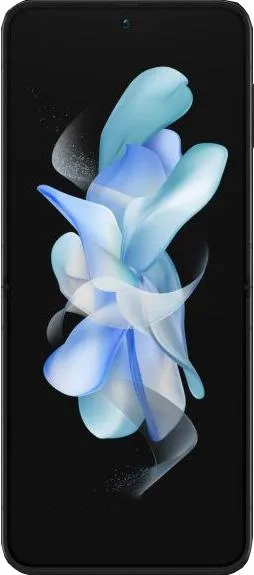

1. Specifications Comparison
| Feature | Samsung Galaxy Z Flip5 | vivo V40 | Practical Impact |
|---|---|---|---|
| Design | |||
| Dimensions | 165.1 x 71.9 x 6.9 mm (folded) | 164.2 x 75 x 7.6 mm | Flip5 significantly more compact when folded, pocketable; V40 traditional candybar design. |
| Weight | 187g | 190g | Negligible weight difference. |
| Foldable | Yes | No | Flip5 offers unique form factor, compact portability; V40 offers larger screen real estate in a standard form. |
| Display | |||
| Size | 6.7" | 6.78" | V40 slightly larger screen. |
| Type | Foldable Dynamic AMOLED 2X | AMOLED | Flip5's foldable screen allows for unique use cases and portability; V40's traditional screen is more durable and potentially less prone to creasing. |
| Resolution | 1080 x 2640 | 1260 x 2800 | V40 slightly sharper display due to higher resolution. |
| Refresh Rate | 120Hz | 120Hz | Both offer smooth scrolling and animations. |
| Peak Brightness | 1750 nits | 4500 nits | V40 significantly brighter, improving outdoor visibility. |
| Performance | |||
| Chipset | Snapdragon 8 Gen 2 | Snapdragon 7 Gen 3 | Flip5 offers flagship-level performance, better for demanding tasks and gaming; V40 offers upper mid-range performance, sufficient for everyday use. |
| CPU | Octa-core (1x3.36 GHz Cortex-X3 & 2x2.8 GHz Cortex-A715 & 2x2.8 GHz Cortex-A710 & 3x2.0 GHz Cortex-A510) | Octa-core (1x2.63 GHz Cortex-A715 & 3x2.4 GHz Cortex-A715 & 4x1.8 GHz Cortex-A510) | Flip5 significantly more powerful CPU. |
| GPU | Adreno 740 | Adreno 720 | Flip5 has a more powerful GPU, resulting in better gaming and graphics performance. |
| RAM | 8GB | 12GB | V40 has more RAM, enabling better multitasking and app switching. |
| Storage | 512GB | 512GB | Both offer ample storage. |
| Battery | |||
| Capacity | 3700 mAh | 5500 mAh | V40 boasts significantly longer battery life. |
| Camera | No camera specifications provided for detailed comparison. |
2. Key Differences Analysis
Samsung Galaxy Z Flip5 Advantages:
- Portability: The foldable design makes it incredibly compact when folded.
- Flagship Performance: Snapdragon 8 Gen 2 ensures top-tier speed and responsiveness.
- Unique Form Factor: Offers features like Flex Mode for hands-free use.
vivo V40 Advantages:
- Larger, Brighter Display: Provides a more immersive viewing experience, especially outdoors.
- Longer Battery Life: 5500 mAh battery will easily last a full day of heavy use.
- More RAM: 12GB RAM allows for smoother multitasking.
Trade-offs:
- Flip5: Smaller battery capacity, crease in the folding display, higher price.
- V40: Less powerful processor, larger and less pocketable.
3. User Profiles & Recommendations
Samsung Galaxy Z Flip5: Ideal for users who prioritize portability and cutting-edge technology, willing to compromise on battery life for a unique form factor. Suitable for users who value compact size and are intrigued by the foldable design and its unique software features.
vivo V40: Best suited for users who prioritize battery life, a large and bright display, and smooth multitasking. Excellent for media consumption, browsing, and everyday tasks.
4. Decision Framework
Key Questions:
- How important is portability to you? If pocketability is paramount, the Flip5 is the clear winner.
- What is your budget? The Flip 5 generally commands a higher price due to its foldable technology.
- What are your primary use cases? Demanding tasks and gaming favor the Flip5; media consumption and all-day battery life favor the V40.
Scenario-Based Recommendations:
- Heavy Traveler: Flip5 for its compact size.
- Power User: Flip5 for its superior performance.
- Media Enthusiast: V40 for its larger, brighter display and longer battery life.
My Choice: vivo V40
While the Flip5's foldable design is intriguing, the vivo V40's combination of a large, bright display, significantly longer battery life, ample RAM, and a competitive price point makes it a more practical choice for my needs. I prioritize a long-lasting battery and a great media consumption experience over the novelty of a foldable phone. The performance difference between the Snapdragon 7 Gen 3 and 8 Gen 2, while noticeable in benchmarks, is less significant for my typical usage. The substantial difference in battery life is a more compelling factor in my decision. Finally, the price difference, while not explicitly stated, historically favors the V series from Vivo making it a great value proposition.
