1. Specifications Comparison
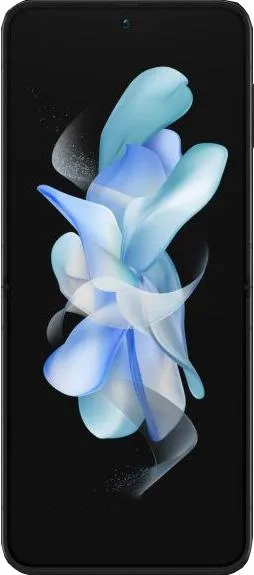
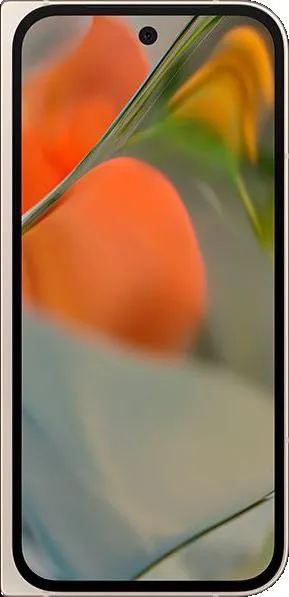
| Feature | Samsung Galaxy Z Flip5 | Google Pixel 9 Pro Fold | Practical Impact |
|---|---|---|---|
| Design | |||
| Dimensions | 165.1 x 71.9 x 6.9 mm (folded) | 155.2 x 150.2 x 5.1 mm (folded) | Flip5 significantly smaller when folded; easier pocketability. Pixel 9 Pro Fold thinner but wider unfolded. |
| Weight | 187g | 257g | Flip5 noticeably lighter, more comfortable for extended use and one-handed operation. |
| Foldable Type | Clamshell | Book | Flip5 flips vertically, compact when folded. Pixel 9 Pro Fold folds horizontally, larger screen when unfolded. |
| Display | |||
| Size | 6.7 inches | 8 inches | Pixel 9 Pro Fold offers a significantly larger screen area for multitasking and media consumption. |
| Type | Foldable Dynamic AMOLED 2X | Foldable LTPO OLED | Both offer excellent color and contrast. LTPO on Pixel allows for more granular refresh rate control, potentially saving battery. |
| Resolution | 1080 x 2640 | 2076 x 2152 | Pixel 9 Pro Fold has a much higher resolution, sharper text and images especially noticeable on a larger display. |
| Refresh Rate | 120Hz | 120Hz | Both offer smooth scrolling and animations. |
| Peak Brightness | 1750 nits | 2700 nits | Pixel 9 Pro Fold significantly brighter, better outdoor visibility. |
| Performance | |||
| Chipset | Snapdragon 8 Gen 2 | Google Tensor G4 | Both are high-end chipsets. Snapdragon 8 Gen 2 generally benchmarks higher in raw performance. Tensor G4 excels in AI and machine learning tasks. |
| RAM | 8GB | 16GB | Pixel 9 Pro Fold offers double the RAM, enabling better multitasking and app retention. |
| Storage | 512GB | 512GB | Storage capacity is equal. |
| Battery | |||
| Capacity | 3700 mAh | 4650 mAh | Pixel 9 Pro Fold has a significantly larger battery, likely leading to longer battery life. |
| Software | |||
| OS | Android 13 | Android 14 | Pixel 9 Pro Fold launches with the newer Android version and will likely receive longer OS updates directly from Google. |
| Camera | Missing camera specifications prevent detailed comparison. | ||
| Other | |||
| Price Range | Medium | High | Pixel 9 Pro Fold expected to be significantly more expensive. |
2. Key Differences Analysis
Samsung Galaxy Z Flip5 Advantages:
- Portability: Significantly smaller and lighter, making it ideal for pocket carry.
- Price: More affordable than the Pixel 9 Pro Fold.
Google Pixel 9 Pro Fold Advantages:
- Larger Display: Provides a tablet-like experience when unfolded.
- Higher Resolution & Brightness: Sharper, more vibrant display with better outdoor visibility.
- More RAM & Larger Battery: Superior multitasking capabilities and longer battery life.
- Longer Software Support: Expected to receive more years of OS and security updates.
Trade-offs:
- Flip5: Smaller display and battery life for portability and affordability.
- Pixel 9 Pro Fold: Higher price and larger size for increased screen real estate and performance.
3. User Profiles & Recommendations
Flip5 Ideal User: Users prioritizing portability and style, frequently using their phone one-handed, and on a tighter budget. Use Cases: Social media, quick communication, casual photography.
Pixel 9 Pro Fold Ideal User: Power users who value a large screen for productivity and multimedia consumption. Use Cases: Multitasking, media editing, gaming, content creation.
4. Decision Framework
Key Questions:
- What is your budget? The Pixel 9 Pro Fold commands a premium price.
- Do you prioritize portability or screen size? Flip5 for ultimate portability, Pixel 9 Pro Fold for a larger workspace.
- How important is software support and future-proofing? Pixel phones generally receive longer updates.
Scenario-Based Recommendations:
- Limited Budget, Prioritize Portability: Flip5
- Power User, Large Screen Essential: Pixel 9 Pro Fold
- Balance of Portability and Productivity: Consider the price difference and your individual needs carefully. The Flip5 might be sufficient for many users.
My Choice: Google Pixel 9 Pro Fold
While the Flip5's portability is attractive, the Pixel 9 Pro Fold's larger display, superior performance (RAM/Battery), and longer software support are more compelling for my needs. I value the productivity benefits of a larger screen for multitasking and media consumption. The higher resolution and brightness enhance the viewing experience significantly. Although more expensive, the Pixel 9 Pro Fold offers a more future-proof device with a superior overall user experience in my opinion. I am willing to compromise on portability for the significant gains in functionality and longevity.
