1. Specifications Comparison
| Feature | Samsung Galaxy Z Flip5 | Asus ROG Phone 8 | Practical Impact |
|---|---|---|---|
| Design | |||
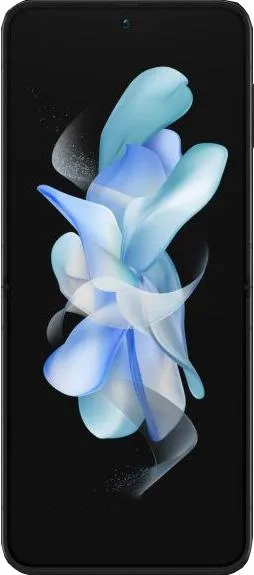
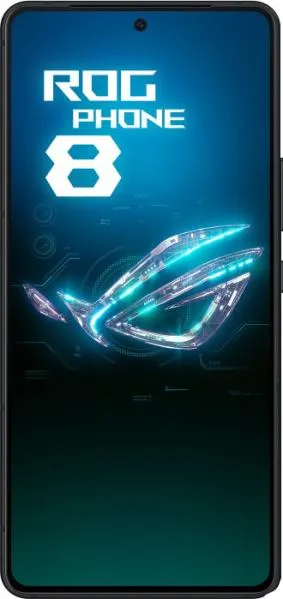
| Dimensions | 165.1 x 71.9 x 6.9 mm (folded) | 163.8 x 76.8 x 8.9 mm | Z Flip5 significantly more compact when folded, pocketable; ROG Phone 8 larger, more traditional form factor. |
| Weight | 187g | 225g | Z Flip5 noticeably lighter for daily use; ROG Phone 8 heavier, potentially impacting comfort during extended use. |
| Foldable | Yes | No | Z Flip5 offers unique portability and a secondary external display for notifications; ROG Phone 8 prioritizes a larger screen experience. |
| Display | |||
| Size | 6.7" | 6.78" | Negligible difference in screen real estate. |
| Type | Foldable Dynamic AMOLED 2X | LTPO AMOLED | Z Flip5's folding screen allows for compact storage; ROG Phone 8's LTPO panel offers potentially better power efficiency. |
| Refresh Rate | 120Hz | 165Hz | ROG Phone 8 provides smoother animations and scrolling, especially noticeable in fast-paced games; Z Flip5's 120Hz is still very smooth. |
| Peak Brightness | 1750 nits | 2500 nits | ROG Phone 8 offers superior outdoor visibility in direct sunlight. |
| Performance | |||
| Chipset | Snapdragon 8 Gen 2 | Snapdragon 8 Gen 3 | ROG Phone 8 boasts a newer, more powerful chipset, resulting in faster processing and potentially better gaming performance. |
| CPU | Octa-core (1x3.36 GHz Cortex-X3 & ...) | Octa-core (1x3.3 GHz Cortex-X4 & ...) | ROG Phone 8's Cortex-X4 core and newer architecture offer a performance advantage in demanding tasks. |
| GPU | Adreno 740 | Adreno 750 | ROG Phone 8's improved GPU will deliver smoother gaming and faster graphics rendering. |
| RAM | 8GB | 16GB | ROG Phone 8's double the RAM allows for significantly better multitasking and smoother performance with demanding applications. |
| Storage | 512GB | 256GB | Z Flip5 offers double the storage capacity for apps, media, and files. |
| Battery | |||
| Capacity | 3700 mAh | 6000 mAh | ROG Phone 8 offers a substantially larger battery, translating to significantly longer battery life. |
| Camera | |||
| Video Capabilities | Up to 4K@60fps, 720p@960fps | Up to 8K@24fps, 720p@480fps | ROG Phone 8 supports higher resolution video recording (8K) and offers Electronic Image Stabilization (EIS) for smoother footage. Specific sensor details and image quality are not available for comparison. |
2. Key Differences Analysis
Samsung Galaxy Z Flip5 Advantages:
- Portability: The foldable design provides unmatched portability.
- Larger Storage: Double the storage compared to the ROG Phone 8.
- Unique Form Factor: The flip design offers a unique user experience and a secondary external display.
Asus ROG Phone 8 Advantages:
- Superior Performance: Newer and more powerful chipset, GPU, and double the RAM.
- Longer Battery Life: Significantly larger battery capacity.
- Higher Refresh Rate Display: Smoother visuals for gaming and everyday use.
- Brighter Display: Better visibility in bright sunlight.
- Enhanced Video Recording: Higher resolution (8K) and EIS.
3. User Profiles & Recommendations
Samsung Galaxy Z Flip5: Ideal for users who prioritize portability and style, value a compact device, and utilize the unique features of a foldable phone.
Asus ROG Phone 8: Best suited for power users, mobile gamers, and those who demand top-tier performance and long battery life. Content creators will appreciate the 8K video recording and EIS.
4. Decision Framework
Key Questions:
- What is your priority: portability or performance?
- How important is battery life to you?
- What is your budget and storage requirement?
Scenario-Based Recommendations:
- Frequent Traveler: Z Flip5 for its compact size.
- Heavy Gamer: ROG Phone 8 for its performance and battery life.
- Budget-Conscious User: Both are in the "medium price" range, further investigation into specific pricing is needed. Consider storage needs (512GB vs 256GB)
My Choice: Asus ROG Phone 8
While the Z Flip5's portability is appealing, the ROG Phone 8's superior performance, significantly longer battery life, and brighter, smoother display are more compelling for my needs. I prioritize a smooth user experience, long battery life, and the capability to handle demanding tasks and gaming. The larger storage of the Z Flip5 is tempting, but manageable with cloud storage solutions. The ROG Phone 8's advancements in performance and battery are more significant upgrades compared to my current device. The foldable form factor, while novel, doesn't outweigh the practical benefits of the ROG Phone 8 for my personal use case.
