1. Specifications Comparison
| Feature | Samsung Galaxy Tab S9 FE | Xiaomi 14T | Practical Impact |
|---|---|---|---|
| Design | |||
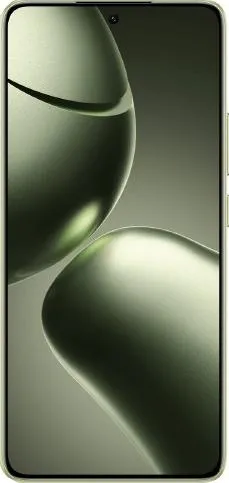
| Dimensions | 254.3 x 165.8 x 6.5 mm | 160.5 x 75.1 x 7.8 mm | The Tab S9 FE is significantly larger, reflecting its tablet nature, making it less pocketable but offering a larger screen for content consumption. The Xiaomi 14T is a typical smartphone size. |
| Weight | 523g | 193g | The Tab S9 FE is much heavier, impacting portability and one-handed use. The Xiaomi 14T is much lighter and easier to carry and use for extended periods. |
| Display | |||
| Display Type | IPS LCD, 90Hz | AMOLED, 68B colors, 144Hz, Dolby Vision, HDR10+ | The Xiaomi 14T's AMOLED display provides superior contrast, richer colors (68B vs. 16.7M in a typical IPS LCD), and higher brightness. The 144Hz refresh rate offers smoother animations compared to the Tab S9 FE's 90Hz. Dolby Vision and HDR10+ support enhance video quality on the 14T. |
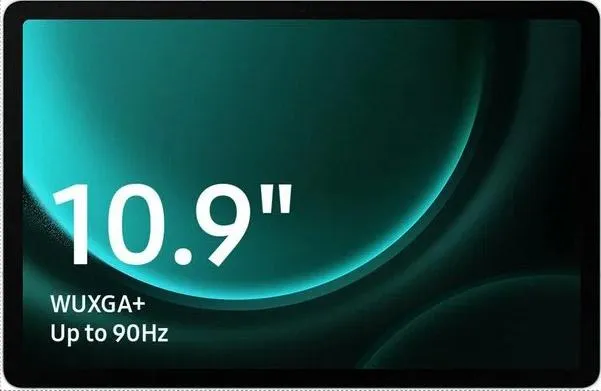
| Size | 10.9" | 6.67" | The Tab S9 FE offers a significantly larger display for better multitasking, media consumption, and creative tasks. The Xiaomi 14T is more pocketable. |
| Resolution | 1440 x 2304 | 1220 x 2712 | Similar pixel density despite different resolutions, resulting in comparable sharpness. |
| Peak Brightness | Not specified | 4000 nits | The Xiaomi 14T's exceptionally high peak brightness ensures excellent outdoor visibility, even in direct sunlight. The lack of data for the Tab S9 FE prevents a direct comparison. |
| Performance | |||
| Chipset | Exynos 1380 (5nm) | Mediatek Dimensity 8300 Ultra (4nm) | The Dimensity 8300 Ultra is generally considered more powerful than the Exynos 1380, promising smoother performance in demanding tasks and games. The 4nm process suggests better power efficiency. |
| CPU | Octa-core (4x2.4 GHz Cortex-A78 & 4x2.0 GHz Cortex-A55) | Octa-core (1x3.35 GHz Cortex-A715 & 3x3.20 GHz Cortex-A715 & 4x2.20 GHz Cortex-A510) | The Xiaomi 14T likely has a performance advantage due to newer and faster CPU core architecture (Cortex-A715 vs. Cortex-A78) and higher clock speeds. |
| GPU | Mali-G68 MP5 | Mali G615-MC6 | While both use Mali GPUs, specific performance differences are difficult to assess without benchmarks. However, the Dimensity 8300 Ultra's overall superior performance suggests a likely advantage in graphics as well. |
| RAM/Storage | 8GB/256GB | 12GB/512GB | The Xiaomi 14T offers more RAM and double the storage, beneficial for multitasking, demanding applications, and storing large files. |
| Battery | |||
| Capacity | 8000 mAh | 5000 mAh | The Tab S9 FE has a significantly larger battery capacity, likely offering longer battery life, especially considering its larger display. However, real-world usage will depend on factors like software optimization and usage patterns. |
| Other | |||
| NFC | No | Yes | Xiaomi 14T supports contactless payments and data transfer via NFC. This is a significant advantage for users who rely on these features. |
| OS | Android 13 | Android 14 | The Xiaomi 14T ships with the latest Android version, offering potential advantages in features, security, and performance optimizations. |
2. Key Differences Analysis
Samsung Galaxy Tab S9 FE Advantages:
- Larger Display: Significantly bigger screen for better multitasking and media consumption.
- Larger Battery: Potentially much longer battery life.
Xiaomi 14T Advantages:
- Superior Display Quality: AMOLED with higher brightness, refresh rate, and HDR support.
- More Powerful Performance: Newer, faster processor and more RAM.
- More Compact and Lighter: Easier to carry and use with one hand.
- NFC: Supports contactless payments.
- Latest Android Version: Android 14 out of the box.
3. User Profiles & Recommendations
Samsung Galaxy Tab S9 FE: Ideal for users who prioritize a large screen for media consumption, note-taking, drawing, or light productivity tasks. Students, artists, and those who consume a lot of video content would benefit.
Xiaomi 14T: Suitable for users who prefer a powerful, compact smartphone with a high-quality display. Mobile gamers, photographers, and those who value performance and portability would appreciate this device.
4. Decision Framework
Key Questions:
- What screen size do you need? Tablet for larger canvas or smartphone for portability?
- What is your performance priority? Demanding tasks/gaming or casual use?
- What is your budget? Consider the price-to-value ratio for your needs.
My Choice: Xiaomi 14T
While the Tab S9 FE offers a compelling large screen and battery, the Xiaomi 14T is the more well-rounded device for my needs. Its superior display, significantly faster performance, more compact form factor, NFC functionality, and the latest Android version make it a clear winner. I prioritize a smooth and responsive user experience, a high-quality display for media consumption, and the convenience of NFC for mobile payments. The Tab S9 FE's advantages in screen size and battery life are outweighed by the Xiaomi 14T's overall performance and feature set for my personal use case. The weight difference is also substantial. Carrying a 523g device regularly is less appealing than a significantly lighter 193g phone.
