1. Specifications Comparison
| Feature | Samsung Galaxy Tab S9 FE | Xiaomi 14 | Practical Impact |
|---|---|---|---|
| Design | |||
| Dimensions | 254.3 x 165.8 x 6.5 mm | 152.8 x 71.5 x 8.2 mm | Tab S9 FE significantly larger; Xiaomi 14 is a pocketable phone. |
| Weight | 523g | 188g | Tab S9 FE much heavier, less portable for one-handed use. |
| Build | Not specified | Not specified | Build materials impact durability and premium feel; information missing. |
| Display | |||
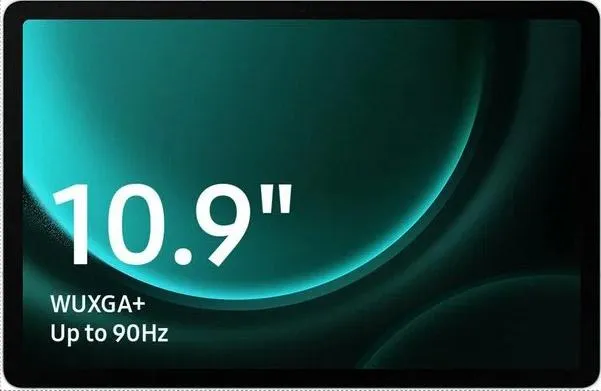
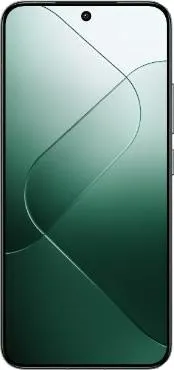
| Size | 10.9 inches | 6.36 inches | Tab S9 FE better for media consumption and multitasking; Xiaomi 14 for one-handed use. |
| Type | IPS LCD | LTPO OLED | Xiaomi 14 offers superior contrast, deeper blacks, and potentially better power efficiency. |
| Resolution | 1440 x 2304 | 1200 x 2670 | Similar pixel density, but Xiaomi 14 slightly sharper due to higher PPI. |
| Refresh Rate | 90Hz | 120Hz | Xiaomi 14 offers smoother scrolling and animations. |
| Peak Brightness | Not specified | 3000 nits | Xiaomi 14 significantly brighter, ensuring excellent outdoor visibility. Missing Tab S9 FE data limits comparison. |
| Performance | |||
| Chipset | Exynos 1380 (5nm) | Snapdragon 8 Gen 3 (4nm) | Snapdragon 8 Gen 3 significantly more powerful, enabling smoother performance in demanding tasks and games. |
| CPU | Octa-core (4x2.4 GHz A78 & 4x2.0 GHz A55) | Octa-core (1x3.3 GHz X4 & 3x3.2 GHz A720 & 2x3.0 GHz A720 & 2x2.3 GHz A520) | Xiaomi 14's CPU architecture provides a substantial performance advantage. |
| GPU | Mali-G68 MP5 | Adreno 750 | Adreno 750 offers significantly better gaming and graphics performance. |
| RAM | 8GB | 12GB | Xiaomi 14 allows for more apps to run in the background and better multitasking. |
| Storage | 256 GB | 256/512GB | Xiaomi 14 offers a higher storage option. |
| Battery | |||
| Capacity | 8000 mAh | 4610 mAh | Tab S9 FE has larger capacity, likely longer battery life due to larger screen size and lower power demands. |
| Camera | |||
| Video | 4K@30fps | 8K@24fps, up to 960fps slow-mo | Xiaomi 14 offers superior video recording capabilities including higher resolution and frame rates. |
| Other | Missing detailed specs | Missing detailed specs | Cannot compare image quality, features, and sensor sizes due to lack of information. |
2. Key Differences Analysis
Xiaomi 14 Advantages:
- Significantly more powerful: Snapdragon 8 Gen 3 offers a substantial performance leap for demanding tasks and gaming.
- Superior display: LTPO OLED provides better contrast, colors, and higher refresh rate for a smoother, more vibrant experience.
- Brighter screen: Much higher peak brightness ensures excellent outdoor visibility.
- More compact: Easier to carry and use one-handed.
- Advanced video recording: Offers higher resolution, frame rates, and slow-motion capabilities.
Samsung Galaxy Tab S9 FE Advantages:
- Larger display: Better for media consumption, multitasking, and creative tasks.
- Larger battery: Potentially longer battery life, crucial for a tablet.
3. User Profiles & Recommendations
Samsung Galaxy Tab S9 FE: Students, artists, media consumers who prioritize a large screen and long battery life.
Xiaomi 14: Users who prioritize performance, a premium display, portability, and advanced camera features. Good for mobile gaming, photography enthusiasts, and those seeking the latest technology.
4. Decision Framework
Key Questions:
- What is your primary use case? (Media consumption, productivity, gaming, communication)
- What screen size do you prefer? (Large tablet or pocketable phone)
- What is your budget? (Consider price-to-performance ratio)
My Choice: Xiaomi 14
While the Tab S9 FE offers a larger screen and battery, the Xiaomi 14's superior performance, display quality, and more advanced features make it a more compelling device for me. The Snapdragon 8 Gen 3 provides a significant performance advantage that will ensure a smooth user experience for years to come. The brighter, higher refresh rate OLED display is a major upgrade over the Tab S9 FE's LCD. Although I acknowledge the Tab S9 FE's advantages for media consumption and productivity due to its size, the Xiaomi 14's overall package offers a more future-proof and premium experience. The portability of the Xiaomi 14 is also a crucial factor for my daily use.
