1. Specifications Comparison
| Feature | Samsung Galaxy Tab S9 FE | Asus ROG Phone 8 | Practical Impact |
|---|---|---|---|
| Design | |||
| Dimensions | 254.3 x 165.8 x 6.5 mm | 163.8 x 76.8 x 8.9 mm | Tab S9 FE is significantly larger, geared towards media consumption and productivity; ROG Phone 8 is a more pocketable, traditional smartphone size. |
| Weight | 523g | 225g | Tab S9 FE is much heavier, less suitable for one-handed use or extended holding. |
| Build | Not specified | Not specified | Build quality impacts durability and premium feel; lack of information limits comparison. |
| Display | |||
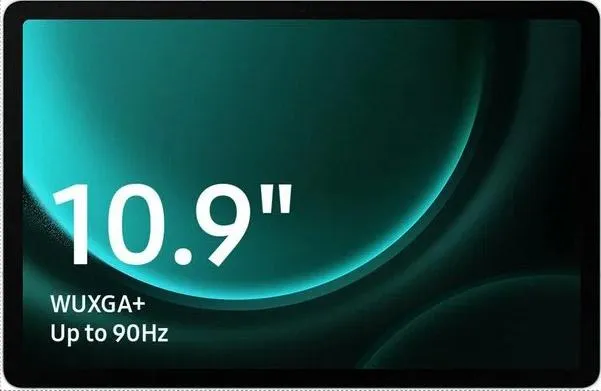
| Size | 10.9" | 6.78" | Larger display on Tab S9 FE offers more screen real estate for multitasking and media. |
| Type | IPS LCD, 90Hz | LTPO AMOLED, 1B colors, 165Hz, HDR10+ | ROG Phone 8 boasts superior display technology with higher refresh rate, richer colors, and HDR support, resulting in smoother visuals and better outdoor visibility due to higher peak brightness. |
| Resolution | 1440 x 2304 | 1080 x 2400 | Tab S9 FE has a slightly higher resolution, but due to the larger screen size, the ROG Phone 8 has a higher pixel density (388 vs 249 ppi), resulting in sharper images. |
| Refresh Rate | 90Hz | 165Hz | ROG Phone 8's significantly higher refresh rate delivers noticeably smoother scrolling and animations, especially beneficial for gaming. |
| Peak Brightness | Not specified | 2500 nits | ROG Phone 8's exceptionally high peak brightness ensures excellent outdoor visibility. Lack of data for the Tab S9 FE prevents comparison in this area. |
| Performance | |||
| Chipset | Exynos 1380 (5nm) | Snapdragon 8 Gen 3 (4nm) | ROG Phone 8 features a newer generation, more powerful chipset, translating to significantly faster performance and better efficiency. |
| CPU | Octa-core (4x2.4 GHz Cortex-A78 & 4x2.0 GHz Cortex-A55) | Octa-core (1x3.3 GHz Cortex-X4 & 3x3.2 GHz Cortex-A720 & 2x3.0 GHz Cortex-A720 & 2x2.3 GHz Cortex-A520) | ROG Phone 8 possesses a more advanced CPU architecture, leading to superior processing power for demanding tasks and gaming. |
| GPU | Mali-G68 MP5 | Adreno 750 | ROG Phone 8 has a more powerful GPU, delivering significantly better graphics performance for gaming and visually intensive applications. |
| RAM | 8GB | 16GB | ROG Phone 8 has double the RAM, enabling smoother multitasking and better handling of demanding applications. |
| Battery | |||
| Capacity | 8000 mAh | 5500 mAh | Tab S9 FE has a larger battery capacity, potentially offering longer battery life. However, its larger display and less efficient chipset could offset this advantage. |
| Other | |||
| OS | Android 13 | Android 14 | ROG Phone 8 comes with the latest Android version, offering potential new features and optimizations. |
| NFC | False | True | ROG Phone 8 supports NFC for contactless payments and other functionalities. |
2. Key Differences Analysis
Samsung Galaxy Tab S9 FE Advantages:
- Larger Display: Better for multitasking, media consumption, and creative work.
- Potentially Longer Battery Life: Higher capacity battery, although real-world usage may vary.
Asus ROG Phone 8 Advantages:
- Significantly More Powerful: Superior chipset, CPU, and GPU for demanding tasks and gaming.
- Superior Display Quality: AMOLED technology, higher refresh rate, HDR10+, and much higher peak brightness.
- More RAM: Smoother multitasking and better performance with demanding apps.
- Latest Android Version: Potential access to newer features and optimizations.
- NFC: Enables contactless payments and other functionalities.
Trade-offs:
- Size and Weight: Tab S9 FE is larger and heavier, less portable.
- Performance vs. Battery Life: ROG Phone 8 prioritizes performance, potentially impacting battery life compared to the Tab S9 FE despite its smaller battery capacity.
3. User Profiles & Recommendations
Samsung Galaxy Tab S9 FE: Students, artists, professionals needing a large screen for productivity, media consumers.
Asus ROG Phone 8: Mobile gamers, power users, users who prioritize performance and a premium display.
4. Decision Framework
Key Questions:
- What is your primary use case? (Gaming, productivity, media consumption)
- How important is portability?
- What is your budget? (Both are listed as "medium price," but actual pricing should be compared)
Scenario-Based Recommendations:
- Prioritize Gaming: ROG Phone 8
- Prioritize Productivity and Media on a Large Screen: Tab S9 FE
- Balanced Usage with Good Performance: ROG Phone 8
My Choice: Asus ROG Phone 8
While the Tab S9 FE offers a larger display and potentially longer battery life, the ROG Phone 8's significantly superior performance, stunning display, and more modern feature set make it the more compelling device for me. I value a smooth and responsive user experience, especially for gaming and demanding tasks. The higher refresh rate, brighter display, and powerful Snapdragon 8 Gen 3 chip are major advantages. The lack of NFC on the Tab S9 FE is also a drawback in today's world. Although the Tab S9 FE's larger screen is attractive for media consumption, I find the overall package of the ROG Phone 8 more appealing. I would be willing to sacrifice some battery life and portability for the significant performance gains and premium user experience.
