1. Specifications Comparison
| Feature | Samsung Galaxy Tab S9 FE+ | Xiaomi 14T | Practical Impact |
|---|---|---|---|
| Design | |||
| Dimensions | 285.4 x 185.4 x 6.5 mm | 160.5 x 75.1 x 7.8 mm | The Tab S9 FE+ is significantly larger, reflecting its tablet nature; the Xiaomi 14T is a standard smartphone size. |
| Weight | 627g | 193g | The Tab S9 FE+ is much heavier, less suitable for one-handed use or extended holding. |
| Display | |||
| Size | 12.4" | 6.67" | The Tab S9 FE+ offers a much larger screen for media consumption and multitasking. |
| Type | IPS LCD | AMOLED | AMOLED generally offers better contrast, deeper blacks, and potentially lower power consumption. |
| Refresh Rate | 90Hz | 144Hz | The Xiaomi 14T's higher refresh rate results in smoother scrolling and animations. |
| Resolution | 1600 x 2560 | 1220 x 2712 | While the Tab S9 FE+ has a higher resolution, the Xiaomi 14T has a higher pixel density (PPI) resulting in a sharper image. |
| Peak Brightness | Not specified | 4000 nits | The Xiaomi 14T's significantly higher peak brightness ensures excellent outdoor visibility. The lack of data for the Tab S9 FE+ makes direct comparison impossible. |
| Performance | |||
| Chipset | Exynos 1380 (5nm) | Mediatek Dimensity 8300 Ultra (4nm) | The Dimensity 8300 Ultra is likely to offer better performance and efficiency due to its newer architecture and smaller manufacturing process. |
| CPU | Octa-core (4x2.4 GHz Cortex-A78 & 4x2.0 GHz Cortex-A55) | Octa-core (1x3.35 GHz Cortex-A715 & 3x3.20 GHz Cortex-A715 & 4x2.20 GHz Cortex-A510) | The Xiaomi 14T likely has a more powerful CPU configuration, though real-world performance depends on optimization. |
| GPU | Mali-G68 MP5 | Mali-G615 MC6 | The Mali-G68 MP5 in the Tab S9 FE+ is likely more powerful, but real-world gaming performance needs further benchmarking. |
| RAM | 12GB | 12GB | Both devices offer ample RAM for multitasking. |
| Storage | 256GB | 512GB | The Xiaomi 14T offers double the internal storage. |
| Battery | |||
| Capacity | 10090 mAh | 5000 mAh | The Tab S9 FE+ has a significantly larger battery, expected to provide much longer battery life given its larger display. |
| Other | |||
| OS | Android 13 | Android 14 | The Xiaomi 14T ships with the latest Android version, offering potential feature and security advantages. |
| NFC | No | Yes | The Xiaomi 14T supports NFC for contactless payments and other applications. |
2. Key Differences Analysis
Samsung Galaxy Tab S9 FE+ Advantages:
- Larger Display: Better for media consumption, multitasking, and productivity.
- Larger Battery: Significantly longer battery life.
Xiaomi 14T Advantages:
- Higher Performance: Newer, likely more powerful chipset and CPU. Smoother user experience.
- Superior Display Quality: AMOLED technology with higher brightness and refresh rate.
- More Compact and Lighter: Easier to carry and use for extended periods.
- NFC: Enables contactless payments and other convenient features.
- Latest Android Version: Access to newer features and security updates.
- Larger Storage: More space for apps, photos, and videos.
Trade-offs:
- The Tab S9 FE+'s larger display and battery come at the cost of size and weight.
- The Xiaomi 14T prioritizes performance and portability over sheer screen size and battery capacity.
3. User Profiles & Recommendations
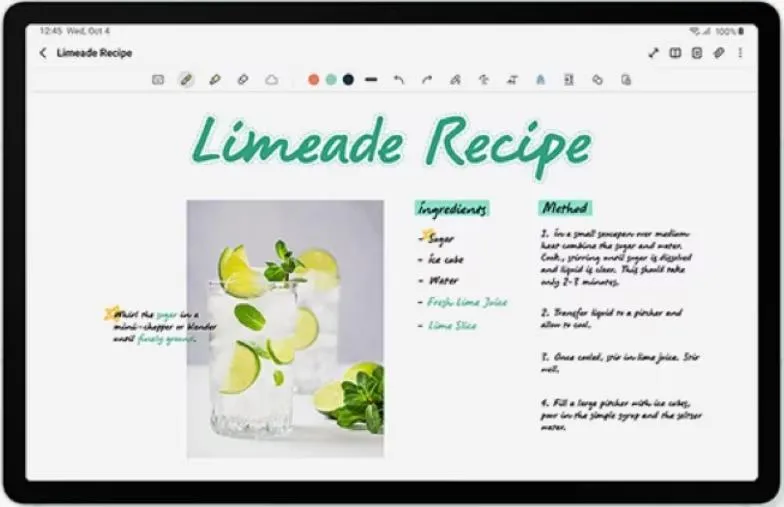
Samsung Galaxy Tab S9 FE+: Ideal for users who prioritize a large screen for media consumption, productivity (with keyboard accessory), drawing, and note-taking. Suitable for students, artists, and anyone who consumes a lot of media on the go.
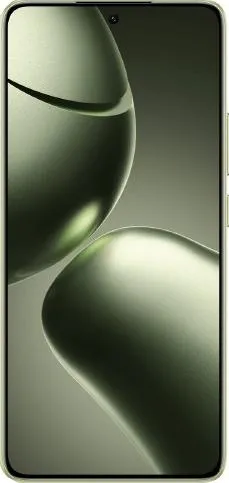
Xiaomi 14T: Ideal for users who prioritize performance, portability, a premium display, and the latest features in a standard smartphone form factor. Suitable for gamers, power users, and those who value a compact and powerful device.
4. Decision Framework
Key Questions for Buyers:
- What is your primary use case? (Media consumption, productivity, gaming, general use)
- How important is portability? (One-handed use, pocket-ability vs. larger screen)
- What is your budget? (Consider price difference between the two)
My Choice: Xiaomi 14T
While the Tab S9 FE+ offers a compelling large-screen experience and exceptional battery life, I would choose the Xiaomi 14T. Its superior performance, brighter and smoother AMOLED display, more compact form factor, NFC functionality, and the latest Android OS make it a more well-rounded and future-proof device for my needs. As someone who values portability and a smooth user experience, the Xiaomi 14T's advantages outweigh the Tab S9 FE+'s larger screen and battery, which are less critical for my personal use case. I also appreciate the inclusion of NFC for mobile payments. The significantly higher peak brightness of the Xiaomi 14T ensures great outdoor visibility, addressing a common issue with many displays. Finally, the newer and more powerful chipset ensures the phone will remain performant for a longer period.
