1. Specifications Comparison
| Feature | Samsung Galaxy Tab S9 FE+ | Xiaomi 14 | Practical Impact |
|---|---|---|---|
| Design | |||
| Dimensions | 285.4 x 185.4 x 6.5 mm | 152.8 x 71.5 x 8.2 mm | The Tab S9 FE+ is significantly larger, indicating a tablet form factor, less pocketable. Xiaomi 14 is a typical smartphone size. |
| Weight | 627g | 188g | Tab S9 FE+ is much heavier, impacting portability for one-handed use and extended holding. |
| Display | |||
| Size | 12.4" | 6.36" | Larger display on Tab S9 FE+ offers more screen real estate for multitasking and media consumption but less portability. |
| Type | IPS LCD, 90Hz | LTPO OLED, 120Hz | Xiaomi 14's OLED provides deeper blacks, better contrast, and potentially improved battery life due to individual pixel illumination. Higher refresh rate results in smoother animations. |
| Resolution | 1600 x 2560 | 1200 x 2670 | Comparable pixel density (Tab S9 FE+ 243 ppi vs. Xiaomi 14 460 ppi) despite size difference. Xiaomi 14 will have sharper text and images. |
| Peak Brightness | Not specified | 3000 nits | Xiaomi 14's significantly higher peak brightness ensures excellent outdoor visibility. Lack of data for the Tab S9 FE+ limits comparison. |
| Performance | |||
| Chipset | Exynos 1380 (5 nm) | Snapdragon 8 Gen 3 (4 nm) | Snapdragon 8 Gen 3 is generally considered a more powerful and efficient chip, leading to better performance and battery life in the Xiaomi 14. |
| CPU | Octa-core (4x2.4 GHz Cortex-A78 & 4x2.0 GHz Cortex-A55) | Octa-core (1x3.3 GHz Cortex-X4 & 3x3.2 GHz Cortex-A720 & 2x3.0 GHz Cortex-A720 & 2x2.3 GHz Cortex-A520) | Xiaomi 14's CPU boasts a more advanced architecture and higher clock speeds, resulting in significantly faster processing for demanding tasks. |
| GPU | Mali-G68 MP5 | Adreno 750 | Adreno 750 generally offers superior graphics performance compared to Mali-G68 MP5, benefiting gaming and graphically intensive applications on the Xiaomi 14. |
| RAM | 12GB | 12GB | Both offer ample RAM for smooth multitasking. |
| Battery | |||
| Capacity | 10090 mAh | 4610 mAh | Tab S9 FE+ has a much larger battery, expected given its tablet size. Actual battery life depends on usage and efficiency. |
| Other | |||
| OS | Android 13 | Android 14 | Xiaomi 14 ships with the latest Android version, offering potential feature and security advantages. |
| NFC | No | Yes | Xiaomi 14 supports NFC for contactless payments and other functionalities. |
2. Key Differences Analysis
Xiaomi 14 Advantages:
- Significantly more powerful: Snapdragon 8 Gen 3 offers superior performance for demanding tasks and gaming.
- Brighter, more vibrant display: OLED technology with higher refresh rate and peak brightness delivers a superior visual experience.
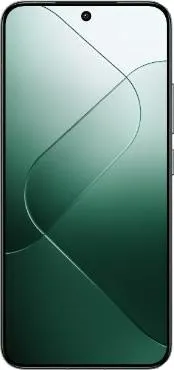
- More compact and portable: Smaller size and lighter weight make it ideal for one-handed use.
- Latest Android version: Android 14 provides the newest features and security updates.
- NFC support: Enables contactless payments and other convenient features.
Samsung Galaxy Tab S9 FE+ Advantages:
- Much larger display: Offers more screen real estate for multitasking and media consumption.
- Significantly larger battery: Potentially longer battery life, although real-world usage will vary.
3. User Profiles & Recommendations
Xiaomi 14: Ideal for users who prioritize performance, portability, a premium display, and the latest features in a standard smartphone form factor. Suitable for gaming, photography, and everyday use.
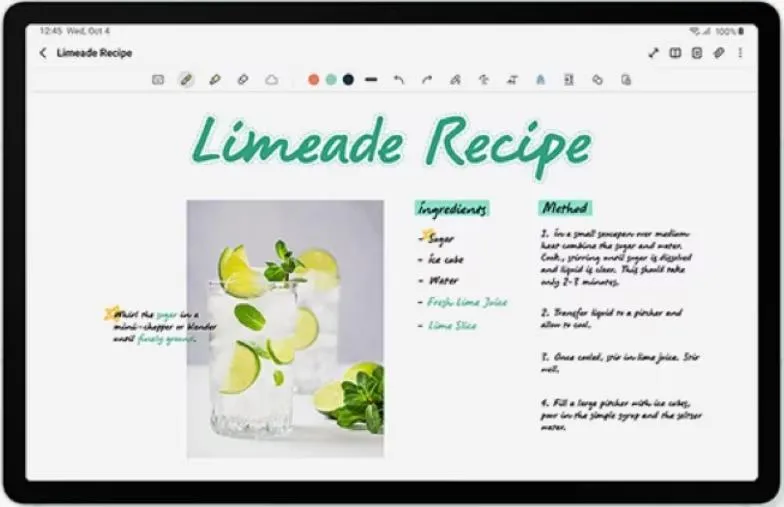
Samsung Galaxy Tab S9 FE+: Suitable for users who prioritize a large screen for media consumption, multitasking, note-taking, and drawing (with optional stylus). Its larger battery is beneficial for extended use.
4. Decision Framework
Key Questions for Buyers:
- Smartphone or Tablet? Do you need a pocketable device or a larger screen for productivity and media?
- Performance vs. Battery Life? Is top-tier processing power crucial, or is longer battery life a higher priority?
- Budget and Feature Set? Consider the price difference and which features are essential for your needs.
My Choice: Xiaomi 14
While the Tab S9 FE+ offers a larger display and battery, the Xiaomi 14 is the superior choice for me due to its significantly better performance, more vibrant display, modern features like NFC, latest Android OS, and more portable form factor. As someone who values a smooth and responsive user experience, the Snapdragon 8 Gen 3's power is a compelling factor. The brighter OLED display and compact design further solidify its appeal for everyday use. While the Tab S9 FE+'s large screen is tempting for media consumption, I prioritize portability and performance in a smartphone. The lack of NFC on the Samsung tablet is also a significant drawback in today's world.
