
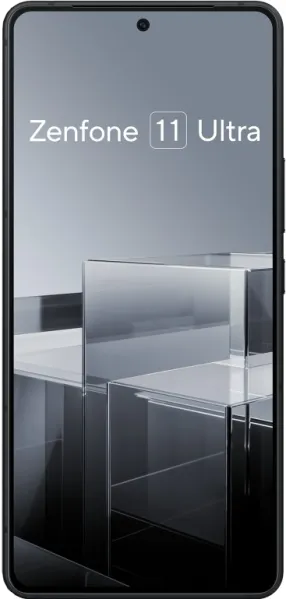
1. Specifications Comparison
| Feature | Samsung Galaxy Tab S9 FE+ | Asus Zenfone 11 Ultra | Practical Impact |
|---|---|---|---|
| Design | |||
| Dimensions | 285.4 x 185.4 x 6.5 mm | 163.8 x 76.8 x 8.9 mm | Tab S9 FE+ is significantly larger, geared towards media consumption and productivity; Zenfone 11 Ultra is a more pocketable, traditional smartphone size. |
| Weight | 627g | 224g | Tab S9 FE+ is much heavier, less suitable for one-handed use or extended holding; Zenfone 11 Ultra is significantly lighter for comfortable daily use. |
| Display | |||
| Size | 12.4" | 6.78" | Tab S9 FE+ offers a much larger screen for immersive content and multitasking; Zenfone 11 Ultra provides a more manageable size for one-handed operation. |
| Type | IPS LCD, 90Hz | LTPO AMOLED, 144Hz, HDR10+ | Tab S9 FE+ uses an LCD with a lower refresh rate, resulting in less vibrant colors and potentially less smooth scrolling; Zenfone 11 Ultra boasts a superior AMOLED display with higher refresh rate, HDR support, and significantly brighter peak brightness, leading to a more vivid and responsive visual experience. |
| Resolution | 1600 x 2560 | 1080 x 2400 | Tab S9 FE+ has a higher resolution, resulting in sharper text and images on its larger display; Zenfone 11 Ultra's resolution is lower but still sharp for its size. The difference in pixel density is noticeable (243 ppi vs 388 ppi), with the Zenfone offering crisper visuals. |
| Brightness | Not specified | Up to 2500 nits | Zenfone 11 Ultra's exceptional brightness ensures excellent outdoor visibility; lack of brightness specification for the Tab S9 FE+ makes direct comparison impossible. |
| Performance | |||
| Chipset | Exynos 1380 (5nm) | Snapdragon 8 Gen 3 (4nm) | Zenfone 11 Ultra utilizes a newer generation, more powerful processor resulting in significantly better performance, smoother multitasking, and improved gaming capabilities. |
| RAM | 12GB | 16GB | Zenfone 11 Ultra offers more RAM, enabling better multitasking and smoother performance with demanding applications. |
| Storage | 256GB | 512GB | Zenfone 11 Ultra provides double the storage capacity, allowing for more apps, photos, and videos to be stored locally. |
| Battery | |||
| Capacity | 10090 mAh | 5500 mAh | Tab S9 FE+ has a significantly larger battery, likely providing much longer battery life; however, its larger display also consumes more power. Zenfone 11 Ultra's battery capacity is typical for a flagship smartphone. |
| Other | |||
| NFC | No | Yes | Zenfone 11 Ultra supports NFC for contactless payments and other functionalities; Tab S9 FE+ lacks NFC. |
| OS | Android 13 | Android 14 | Zenfone 11 Ultra ships with a newer Android version, offering potential performance and feature advantages. |
| Video Capabilities | 4K@30fps, 1080p@30fps | Up to 8K@24fps, slow-motion up to 480fps | Zenfone 11 Ultra offers significantly more advanced video recording capabilities including higher resolution and frame rate options, as well as slow-motion recording. |
2. Key Differences Analysis
Samsung Galaxy Tab S9 FE+ Advantages:
- Larger Display: Better for media consumption, multitasking, and creative tasks.
- Larger Battery: Potentially much longer battery life, crucial for extended use.
Asus Zenfone 11 Ultra Advantages:
- Significantly more powerful processor and more RAM: Much smoother and faster performance for demanding tasks and gaming.
- Superior Display Quality: AMOLED with HDR10+, higher refresh rate, and extreme brightness.
- More Compact and Lighter: Easier to carry and use for everyday tasks.
- Advanced Video Capabilities: More versatile video recording options.
- NFC: Enables contactless payments.
Trade-offs:
- Tab S9 FE+: Larger size and weight compromise portability. Lower performance compared to the Zenfone 11 Ultra.
- Zenfone 11 Ultra: Smaller display might be limiting for some users. Smaller battery capacity might require more frequent charging.
3. User Profiles & Recommendations
Samsung Galaxy Tab S9 FE+: Ideal for users who prioritize a large screen for media consumption, note-taking, drawing, or light productivity on the go. Students, artists, and those who consume a lot of video content would benefit.
Asus Zenfone 11 Ultra: Best suited for users who demand top-tier performance, a premium display, and a pocketable form factor. Mobile gamers, power users, and photography enthusiasts would appreciate its capabilities.
4. Decision Framework
Key Questions for Buyers:
- What is your primary use case? (Media consumption, productivity, gaming, photography)
- How important is portability? (Do you need a device that easily fits in a pocket?)
- What is your budget? (While both are mid-range, actual prices may vary)
My Choice: Asus Zenfone 11 Ultra
While the Tab S9 FE+ offers a tempting large screen and battery, the Zenfone 11 Ultra's superior performance, stunning display, and more manageable size make it the better choice for me. The Snapdragon 8 Gen 3 is a significant leap in processing power, ensuring a smooth and future-proof experience. The brighter and more responsive AMOLED display is a major advantage for everyday use and media consumption. Although the battery is smaller, I prioritize performance and portability over sheer battery capacity. The advanced video recording features are a bonus for capturing high-quality moments. Finally, the inclusion of NFC for contactless payments adds convenience to daily life. The Tab S9 FE+ is a strong contender for specific use cases like media consumption and productivity on-the-go, but the Zenfone 11 Ultra offers a more well-rounded and powerful package overall.
