1. Specifications Comparison
| Feature | Category | Samsung Galaxy Tab S9 FE+ | Asus ROG Phone 8 | Practical Impact |
|---|---|---|---|---|
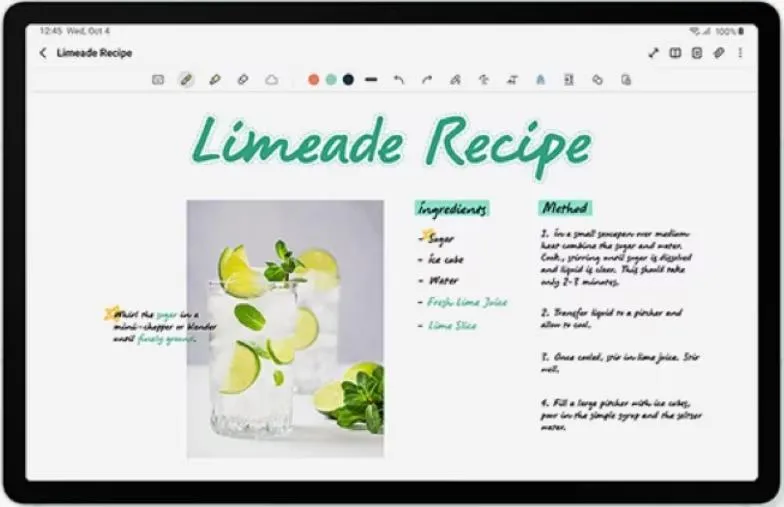
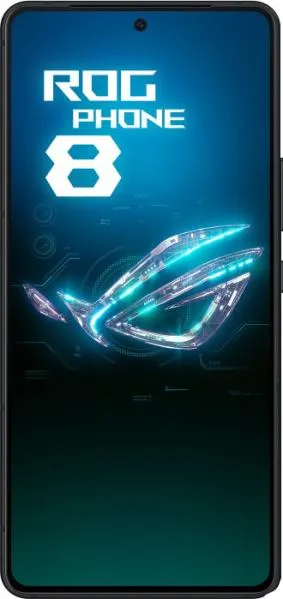
| Dimensions | Design | 285.4 x 185.4 x 6.5 mm, 627g | 163.8 x 76.8 x 8.9 mm, 225g | The Tab S9 FE+ is significantly larger and heavier, designed for media consumption and productivity on the go. The ROG Phone 8 is a more pocketable, traditional smartphone size. |
| Display Size/Type | Display | 12.4" IPS LCD | 6.78" LTPO AMOLED | The Tab S9 FE+ offers a much larger screen for better multitasking and media viewing, but uses LCD technology. The ROG Phone 8 has a smaller, but superior AMOLED display with vibrant colors and deeper blacks. |
| Resolution/Refresh Rate | Display | 1600 x 2560, 90Hz | 1080 x 2400, 165Hz | While the Tab S9 FE+ has a slightly higher resolution, the ROG Phone 8's 165Hz refresh rate provides a noticeably smoother experience, especially for gaming and fast-paced content. |
| Brightness | Display | Not specified | Up to 2500 nits | The ROG Phone 8's exceptional brightness ensures excellent outdoor visibility, surpassing the Tab S9 FE+'s unspecified brightness. |
| Chipset/CPU/GPU | Performance | Exynos 1380 (5nm), Octa-core, Mali-G68 MP5 | Snapdragon 8 Gen 3 (4nm), Octa-core, Adreno 750 | The ROG Phone 8 boasts significantly more powerful hardware across the board, resulting in superior performance for demanding tasks and gaming. |
| RAM/Storage | Performance | 12GB/256GB | 16GB/256GB | The ROG Phone 8 offers more RAM, beneficial for multitasking and demanding applications. Both have the same storage capacity. |
| Battery Capacity | Battery | 10090 mAh | 5500 mAh | The Tab S9 FE+ has a substantially larger battery, expected to provide significantly longer battery life given its larger display. |
| OS | Software | Android 13 (upgradable to 17) | Android 14 (upgradable to 16) | Both run on recent Android versions, but the Tab S9 FE+ is expected to receive longer software updates. |
| NFC | Connectivity | No | Yes | The ROG Phone 8 supports NFC for contactless payments and other functionalities, while the Tab S9 FE+ does not. |
| Video Capabilities | Camera | 4K@30fps, 1080p@30fps | Up to 8K@24fps, 720p@480fps | The ROG Phone 8 offers more comprehensive video recording options, including higher resolution and frame rates. |
2. Key Differences Analysis
Samsung Galaxy Tab S9 FE+ Advantages:
- Larger Display: Better for multitasking, media consumption, and creative work.
- Longer Battery Life: The massive battery capacity likely results in significantly longer usage time.
- Longer Software Support: Expected to receive Android updates for a longer period.
Asus ROG Phone 8 Advantages:
- Superior Performance: Significantly faster and more powerful for demanding tasks and gaming.
- Higher Quality Display: AMOLED technology provides richer colors, deeper blacks, and a smoother 165Hz refresh rate.
- More Compact and Lighter: Easier to hold and carry for everyday use.
- Enhanced Video Recording: More versatile video recording capabilities.
- NFC Support: Enables contactless payments and other convenient features.
3. User Profiles & Recommendations
Samsung Galaxy Tab S9 FE+: Ideal for users who prioritize a large screen for productivity, media consumption, and creative tasks. Students, artists, and professionals who need a portable workstation would benefit.
Asus ROG Phone 8: Best suited for mobile gamers, power users, and those who demand top-tier performance and a premium display. Content creators who need high-quality video recording capabilities will also appreciate its features.
4. Decision Framework
Key Questions for Buyers:
- What is your primary use case? (Gaming, productivity, media consumption)
- How important is portability and one-handed usability?
- What is your budget and how do you prioritize features like screen size, performance, and battery life?
Scenario-Based Recommendations:
- Heavy Gamer: Asus ROG Phone 8
- Student/Professional needing a large screen for productivity: Samsung Galaxy Tab S9 FE+
- On-the-go media consumer who prioritizes battery life: Samsung Galaxy Tab S9 FE+
My Choice: Asus ROG Phone 8
While the Tab S9 FE+ offers a compelling large screen and long battery life, I would choose the Asus ROG Phone 8. My priorities lean towards a powerful, responsive device with a high-quality display. The ROG Phone 8's superior performance, smoother 165Hz AMOLED screen, compact form factor, and enhanced video recording capabilities make it a more versatile device for my needs. Although the battery is smaller, the performance and display quality advantages outweigh the battery life difference for me. The inclusion of NFC is also a significant factor for daily convenience. Finally, while longer software support is beneficial, the two-year difference is not a deal-breaker considering the performance gap.
