1. Specifications Comparison
| Feature | Samsung Galaxy S23 FE | Xiaomi 14T | Practical Impact |
|---|---|---|---|
| Design | |||
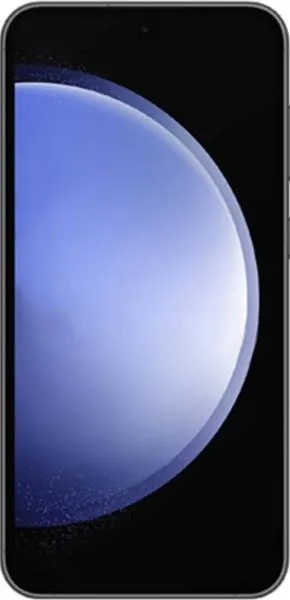
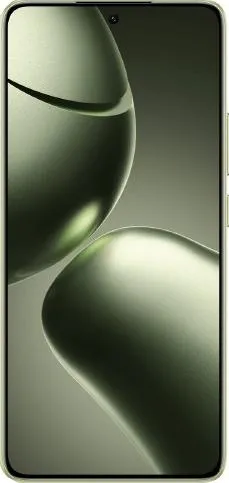
| Dimensions | 158 x 76.5 x 8.2 mm | 160.5 x 75.1 x 7.8 mm | Xiaomi 14T is slightly larger but thinner. Negligible difference in hand feel for most users. |
| Weight | 209g | 193g | Xiaomi 14T is noticeably lighter, reducing hand fatigue during extended use. |
| Build Materials | Not specified | Not specified | Cannot compare build quality and durability without this information. |
| Display | |||
| Size | 6.4" | 6.67" | Xiaomi 14T offers a larger screen for more immersive media consumption. |
| Type | Dynamic AMOLED 2X | AMOLED | Both offer vibrant colors and deep blacks. The practical difference between AMOLED types might be subtle. |
| Resolution | 1080 x 2340 | 1220 x 2712 | Xiaomi 14T has a sharper display due to higher resolution and pixel density (446 ppi vs 403 ppi). Noticeable difference in sharpness for text and images. |
| Refresh Rate | 120Hz | 144Hz | Xiaomi 14T provides slightly smoother scrolling and animations. The difference might not be perceptible to all users. |
| Peak Brightness | 1450 nits | 4000 nits | Xiaomi 14T offers significantly higher peak brightness, ensuring better visibility in direct sunlight. |
| Performance | |||
| Chipset | Exynos 2200 (4nm) | Mediatek Dimensity 8300 Ultra (4nm) | Dimensity 8300 Ultra generally offers better performance and efficiency than the Exynos 2200 based on benchmarks and user reviews. |
| CPU | Octa-core (1x2.8 GHz Cortex-X2 & 3x2.50 GHz Cortex-A710 & 4x1.8 GHz Cortex-A510) | Octa-core (1x3.35 GHz Cortex-A715 & 3x3.20 GHz Cortex-A715 & 4x2.20 GHz Cortex-A510) | Xiaomi 14T likely has a performance advantage due to newer CPU architecture and higher clock speeds. This translates to faster app loading, smoother multitasking, and better gaming performance. |
| GPU | Xclipse 920 | Mali G615-MC6 | While raw specs aren't directly comparable, the Mali G615-MC6 generally provides good gaming performance for its class. The Exynos 2200's Xclipse 920 has faced criticism for inconsistent performance. |
| RAM | 8GB | 12GB | Xiaomi 14T offers more RAM, enabling better multitasking and preventing apps from closing in the background. |
| Storage | 256GB | 512GB | Xiaomi 14T offers double the storage, allowing users to store more apps, photos, and videos. |
| Battery | |||
| Capacity | 4500 mAh | 5000 mAh | Xiaomi 14T has a larger battery capacity, potentially leading to longer battery life. |
| Charging Speed | Not specified | Not specified | Cannot compare charging speeds without this information. |
| Camera | |||
| Rear Camera | Not specified | Not specified | Cannot compare camera quality and features without detailed specifications. |
| Video Capabilities | Up to 8K@24fps | Up to 4K@960fps | While both offer a wide range of video recording options, Xiaomi 14T's emphasis on HDR and EIS across all modes suggests better video quality and stabilization. Samsung offers a higher resolution (8K) but at a lower frame rate. |
2. Key Differences Analysis
Xiaomi 14T Advantages:
- Larger and sharper display: More immersive media consumption.
- Higher performance: Smoother multitasking, faster app loading, and better gaming.
- Larger battery: Potentially longer battery life.
- More RAM and storage: Improved multitasking and ample space for files.
- Brighter Display: Excellent outdoor visibility.
- Newer OS: Android 14 offers potential feature and security advantages over Android 13.
Samsung Galaxy S23 FE Advantages:
- Potentially better camera system: Cannot definitively assess without camera specifications. However, the inclusion of 8K video recording suggests a focus on high-resolution video capture.
- More color options: Offers greater personalization.
Trade-offs:
- Xiaomi 14T: Potentially higher price, less established brand reputation for software updates in some regions.
- Samsung Galaxy S23 FE: Lower performance, smaller battery, less RAM and storage.
3. User Profiles & Recommendations
Xiaomi 14T: Ideal for users who prioritize performance, a large and sharp display, long battery life, ample storage, and the latest Android features. Excellent for power users, gamers, and media consumers.
Samsung Galaxy S23 FE: Ideal for users who prioritize a compact form factor, Samsung's brand reputation, and potentially a superior camera system (pending full camera specifications). Suitable for users who value a balance of features and affordability.
4. Decision Framework
Key Questions for Buyers:
- What is your budget? Both are mid-range but price differences might exist.
- What are your primary use cases? (e.g., gaming, photography, media consumption)
- Which features are most important to you? (e.g., performance, battery life, display quality)
Scenario-Based Recommendations:
- Heavy gamer: Xiaomi 14T for its superior performance and larger display.
- Photographer/Videographer: Decision depends on detailed camera specs, but Xiaomi 14T's comprehensive video features with HDR and EIS are promising.
- Casual user: Either phone could be suitable, but the Xiaomi 14T offers more value for its features.
My Choice: Xiaomi 14T
I would choose the Xiaomi 14T. While lacking some specific details like camera specifications and build materials, the available information points towards a significantly better overall package. The superior performance, larger and sharper display, larger battery, more RAM and storage, brighter screen for outdoor use, and newer Android OS provide a compelling combination. The slightly larger size and potentially higher price are acceptable trade-offs for these advantages. The Exynos 2200's history of performance issues also steers me toward the more reliable performance expected from the Dimensity 8300 Ultra. Finally, the Xiaomi 14T's emphasis on HDR and EIS across its video recording modes suggests a superior video experience compared to the S23 FE.
