1. Specifications Comparison
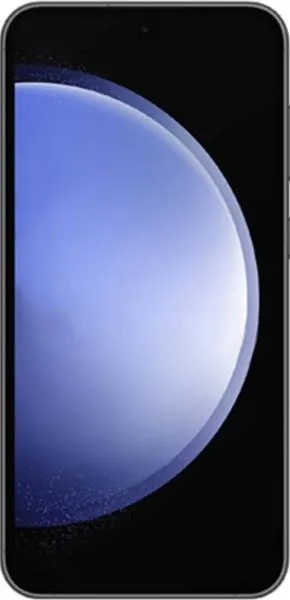
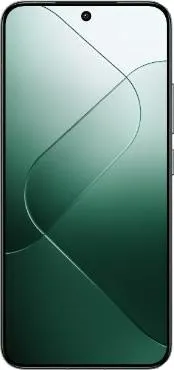
| Feature | Samsung Galaxy S23 FE | Xiaomi 14 | Practical Impact |
|---|---|---|---|
| Design | |||
| Dimensions | 158 x 76.5 x 8.2 mm | 152.8 x 71.5 x 8.2 mm | Xiaomi 14 is slightly smaller and potentially more comfortable for one-handed use. |
| Weight | 209g | 188g | Xiaomi 14 is noticeably lighter, reducing hand fatigue during extended use. |
| Build Materials | Not specified | Not specified | Cannot compare build quality and durability without material information. |
| Display | |||
| Size | 6.4" | 6.36" | Negligible size difference in real-world usage. |
| Type | Dynamic AMOLED 2X | LTPO OLED | Both offer excellent color accuracy and contrast. LTPO allows for more granular refresh rate control, potentially saving battery. |
| Resolution | 1080 x 2340 (FHD+) | 1200 x 2670 (WQHD+) | Xiaomi 14 has a sharper display with higher pixel density, resulting in crisper text and images. |
| Refresh Rate | 120Hz | 120Hz | Both offer smooth scrolling and animations. |
| Peak Brightness | 1450 nits | 3000 nits | Xiaomi 14 offers significantly higher peak brightness, ensuring better visibility in direct sunlight. |
| Performance | |||
| Chipset | Exynos 2200 (4nm) | Snapdragon 8 Gen 3 (4nm) | Snapdragon 8 Gen 3 generally provides better performance and efficiency than Exynos 2200. |
| CPU | Octa-core (1x2.8 GHz Cortex-X2 & 3x2.50 GHz Cortex-A710 & 4x1.8 GHz Cortex-A510) | Octa-core (1x3.3 GHz Cortex-X4 & 3x3.2 GHz Cortex-A720 & 2x3.0 GHz Cortex-A720 & 2x2.3 GHz Cortex-A520) | Xiaomi 14's CPU boasts faster clock speeds and a more modern architecture, leading to smoother multitasking and faster app loading. |
| GPU | Xclipse 920 | Adreno 750 | Adreno 750 offers superior graphics performance for demanding games and applications. |
| RAM | 8GB | 12GB | Xiaomi 14 offers more RAM, enabling better multitasking and preventing apps from closing in the background. |
| Storage | 256GB | 256GB/512GB | Xiaomi 14 offers a higher storage option (512GB). |
| Battery | |||
| Capacity | 4500 mAh | 4610 mAh | Xiaomi 14 has a slightly larger battery capacity, potentially offering longer battery life. However, real-world usage will depend on software optimization and display usage. |
| Camera | |||
| Video Capabilities | Up to 8K@24fps, 960fps slow-mo | Up to 8K@24fps, 1920fps slow-mo | Xiaomi 14 boasts higher slow-motion video recording capabilities. Specific sensor details and image quality are not comparable with the provided information. |
2. Key Differences Analysis
Xiaomi 14 Advantages:
- Superior Performance: Snapdragon 8 Gen 3, more RAM, faster CPU and GPU contribute to a significantly smoother and faster user experience.
- Brighter and Sharper Display: Higher resolution and peak brightness provide a more visually appealing and usable display in various lighting conditions.
- More RAM and Storage Options: Offers greater flexibility for power users and those who need ample storage space.
- Potentially Longer Battery Life: Larger battery capacity combined with LTPO display technology may result in extended usage time.
Samsung Galaxy S23 FE Advantages:
- Potentially Wider Color Availability: Offers a greater variety of color options for users who prioritize personalization.
3. User Profiles & Recommendations
Xiaomi 14: Ideal for users who prioritize performance, a bright and sharp display, and ample RAM/storage. Suitable for demanding tasks like gaming, video editing, and multitasking.
Samsung Galaxy S23 FE: Suitable for users who prioritize a wider range of color options and are on a tighter budget, willing to compromise on performance compared to the Xiaomi 14.
4. Decision Framework
Key Questions for Buyers:
- What is your budget? Both are mid-range, but slight price differences may exist.
- What are your primary use cases? Gaming and demanding tasks favor the Xiaomi 14.
- How important is display quality and brightness? Xiaomi 14 excels in this area.
My Choice: Xiaomi 14
The Xiaomi 14 offers significant advantages in performance, display quality, and features compared to the Samsung Galaxy S23 FE. The Snapdragon 8 Gen 3, higher RAM, brighter and sharper display, and larger battery are compelling reasons to choose the Xiaomi 14. While the Samsung S23 FE offers more color options, the performance and user experience benefits of the Xiaomi 14 outweigh this advantage for me. The superior performance would provide a more future-proof device capable of handling demanding tasks and software updates for a longer period. The brighter display is crucial for outdoor usability, a key factor in my daily usage.
