1. Specifications Comparison
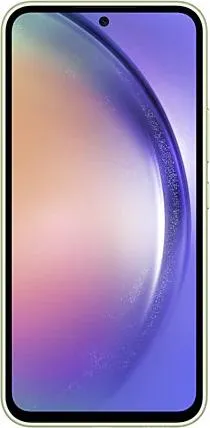
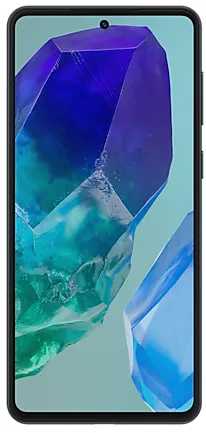
| Feature | Samsung Galaxy A54 | Samsung Galaxy M55 | Practical Impact |
|---|---|---|---|
| Design | |||
| Dimensions (mm) | 158.2 x 76.7 x 8.2 | 163.9 x 76.5 x 7.8 | M55 is slightly taller and thinner. Negligible difference in everyday use. |
| Weight (g) | 202 | 180 | A54 is noticeably heavier. M55 offers a more comfortable one-handed experience. |
| Display | |||
| Size (inches) | 6.4 | 6.7 | M55 has a larger screen, better for media consumption and gaming. |
| Resolution (pixels) | 1080 x 2340 | 1080 x 2400 | Similar sharpness due to nearly identical pixel density. M55 slightly taller due to aspect ratio. |
| Type | Super AMOLED, 120Hz | Super AMOLED+, 120Hz | Both offer vibrant colors and smooth scrolling. The "+" in M55 might signify minor enhancements, but practical difference is likely minimal without further details. |
| Performance | |||
| Chipset | Exynos 1380 (5 nm) | Snapdragon 7 Gen 1 (4 nm) | Snapdragon 7 Gen 1 generally offers better performance and efficiency. M55 likely smoother for demanding tasks and gaming. |
| CPU | Octa-core (4x2.4 GHz A78 & 4x2.0 GHz A55) | Octa-core (1x2.4 GHz A710 & 3x2.36 GHz A710 & 4x1.8 GHz A510) | Snapdragon's newer core architecture in the M55 should provide a performance advantage. |
| GPU | Mali-G68 MP5 | Adreno 644 | Adreno 644 generally delivers better graphics performance than Mali-G68 MP5. M55 should handle games better. |
| RAM (GB) | 8 | 8 | Same RAM capacity, multitasking performance should be comparable. |
| Camera | |||
| Main Camera (MP) | 50 (Sony IMX766) | 50 (ISOCELL) | A54 uses a known high-quality sensor (IMX766). Image quality comparison requires real-world testing, as sensor model alone isn't definitive for M55. |
| Selfie Camera (MP) | 32 | 50 | M55 boasts higher resolution selfie camera, potentially capturing more detail. |
| Video | 4K@30fps with EIS | 4K@30fps with OIS, EIS | Both offer 4K recording. M55 having both OIS and EIS could mean significantly more stable video. |
| Battery | |||
| Capacity (mAh) | 5000 | 5000 | Identical battery capacity. Real-world battery life depends on software optimization and chipset efficiency. |
| Fast Charging | 25W | 45W | M55 charges significantly faster, minimizing downtime. |
2. Key Differences Analysis
Samsung Galaxy A54 Advantages:
- Proven Main Camera Sensor: The Sony IMX766 is a well-regarded sensor known for its performance.
- Potentially Lower Price: Depending on market and specific configurations, the A54 might be more affordable.
Samsung Galaxy M55 Advantages:
- Superior Performance: Snapdragon 7 Gen 1 provides a significant performance advantage over Exynos 1380.
- Faster Charging: 45W fast charging significantly reduces charging time compared to 25W.
- Lighter Weight: Noticeably lighter, improving one-handed usability.
- Larger Display: Bigger screen estate enhances media consumption and gaming.
- More Stable Video: OIS + EIS should deliver smoother video footage.
- Higher Resolution Selfie Camera: Better for detailed self-portraits and video calls.
3. User Profiles & Recommendations
Samsung Galaxy A54:
- Budget-conscious users: Prioritize a proven camera and reliable performance at a lower price point.
- Casual users: Primarily use their phone for social media, browsing, and light photography.
Samsung Galaxy M55:
- Performance seekers: Value smooth gaming, multitasking, and quick app loading.
- Content consumers: Enjoy watching videos, playing games, and browsing on a larger screen.
- Photography enthusiasts: Desire a high-resolution selfie camera and stable video recording.
4. Decision Framework
Key Questions for Buyers:
- What is your budget? The A54 might offer better value if price is a major concern.
- What are your primary phone usage patterns? Gamers and heavy users will benefit from the M55's performance. Casual users might find the A54 sufficient.
- How important is camera quality and fast charging? A54 has a potentially better main camera sensor, but the M55 boasts a superior selfie camera, faster charging, and more stable video recording.
My Choice: Samsung Galaxy M55
While the A54 boasts a known, high-quality main camera sensor, the M55 offers a more compelling overall package. The Snapdragon 7 Gen 1 provides a noticeable performance boost for demanding tasks and gaming. The significantly faster charging, larger display, lighter weight, more stable video recording, and higher-resolution selfie camera outweigh the potential advantage of the A54's main camera, especially considering both are in the "medium price" range. The superior user experience offered by the M55 in terms of performance, charging, and display makes it the better choice for a broader range of users. I prioritize daily usability and speed, and the M55 delivers in these areas.
