1. Specifications Comparison
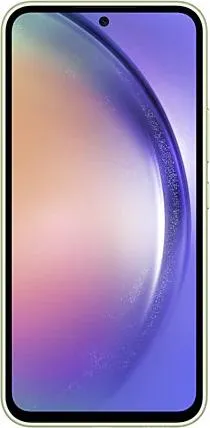
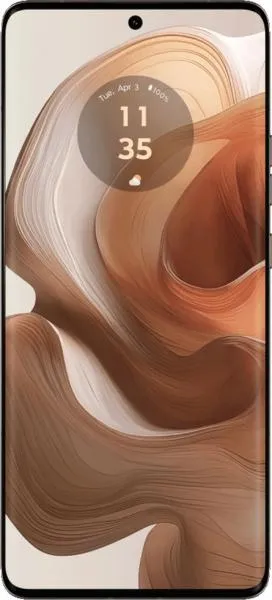
| Feature | Samsung Galaxy A54 | Motorola Edge 50 Ultra | Practical Impact |
|---|---|---|---|
| Design | |||
| Dimensions (mm) | 158.2 x 76.7 x 8.2 | 161.1 x 72.4 x 8.6 | The Motorola is slightly taller and wider, but thinner. The size difference is minimal in practical use. |
| Weight (g) | 202 | 197 | Negligible weight difference. |
| Display | |||
| Display Type | Super AMOLED | P-OLED | Both offer excellent color and contrast. P-OLED might offer slightly deeper blacks. |
| Display Size (inches) | 6.4 | 6.7 | Motorola offers a larger screen for more immersive content consumption. |
| Resolution | 1080 x 2340 | 1220 x 2712 | Motorola has a sharper display due to higher resolution. |
| Refresh Rate (Hz) | 120 | 144 | Motorola offers smoother scrolling and animations due to the higher refresh rate. |
| Peak Brightness (nits) | 1000 (HBM) | 2500 | The Motorola's significantly higher peak brightness ensures better visibility in direct sunlight. |
| Performance | |||
| Chipset | Exynos 1380 (5 nm) | Snapdragon 8s Gen 3 (4 nm) | Snapdragon 8s Gen 3 offers significantly better performance and efficiency. |
| CPU | Octa-core (4x2.4 GHz Cortex-A78 & 4x2.0 GHz Cortex-A55) | Octa-core (1x3.0 GHz Cortex-X4 & 4x2.8 GHz Cortex-A720 & 3x2.0 GHz Cortex-A520) | The Motorola's CPU architecture and clock speeds suggest a substantial performance advantage in demanding tasks and multitasking. |
| GPU | Mali-G68 MP5 | Adreno 735 | Adreno 735 provides a superior gaming and graphics rendering experience. |
| RAM | 8GB | 16GB | More RAM in the Motorola allows for smoother multitasking and handling more demanding applications. |
| Camera | |||
| Main Camera (MP) | 50 | 50 | Both have high-resolution main sensors, but sensor size and aperture differ (see below). |
| Sensor Size (Main) | 1/1.56" | 1/1.3" | The Motorola's larger sensor likely captures more light, resulting in better low-light performance and dynamic range. |
| Aperture (Main) | f/1.8 | f/1.6 | Wider aperture on Motorola allows for more light intake, improving low-light photos. |
| Ultrawide (MP) | 13 | 50 | Motorola offers a much higher resolution ultrawide camera. |
| Telephoto (MP) | N/A | 64 | Motorola features a dedicated telephoto lens for optical zoom, lacking in the Samsung. |
| DXOMARK Score | 107 | 146 | Significantly higher DXOMARK score indicates superior overall camera performance on the Motorola. |
| Battery | |||
| Capacity (mAh) | 5000 | 4500 | Larger battery in the Samsung potentially offers longer battery life, but real-world usage depends on various factors including the more power-efficient chip in the Motorola. |
| Fast Charging (W) | 25 | 125 | Motorola supports significantly faster charging. |
2. Key Differences Analysis
Motorola Edge 50 Ultra Advantages:
- Significantly higher performance: The Snapdragon 8s Gen 3, coupled with more RAM, delivers a substantially smoother and faster experience, especially for demanding tasks and gaming.
- Superior camera system: Higher resolution sensors, larger sensor size on the main camera, wider aperture, dedicated telephoto lens, and a higher DXOMARK score all point to a considerably better camera experience.
- Faster refresh rate and brighter display: The 144Hz display and 2500 nits peak brightness provide a noticeably smoother and more visible screen.
- Much faster charging: 125W fast charging allows for incredibly quick top-ups.
Samsung Galaxy A54 Advantages:
- Potentially longer battery life: The 5000 mAh battery may provide longer usage time, though the Motorola's more efficient chip could offset this difference. Real-world battery tests are needed for a definitive conclusion.
3. User Profiles & Recommendations
Samsung Galaxy A54:
- Budget-conscious users: Offers good value for its price.
- Users prioritizing battery life: The larger battery capacity could be appealing for those who need a phone that lasts all day.
- Light users: Suitable for everyday tasks like browsing, social media, and casual photography.
Motorola Edge 50 Ultra:
- Power users: Ideal for demanding tasks, gaming, and multitasking.
- Photography enthusiasts: The superior camera system makes it a great choice for capturing high-quality photos and videos.
- Users who value a premium display: The high refresh rate and brightness enhance the viewing experience.
4. Decision Framework
Key Questions for Buyers:
- What is your budget? The Motorola is significantly more expensive.
- What are your primary use cases? Gaming, photography, and demanding tasks favor the Motorola. Basic usage and long battery life might favor the Samsung.
- How important is future-proofing? The Motorola's superior hardware offers better performance longevity.
My Choice: Motorola Edge 50 Ultra
While the Samsung Galaxy A54 offers a good value proposition, the Motorola Edge 50 Ultra is the clear winner for me. The significantly improved performance, superior camera system, brighter and smoother display, and incredibly fast charging are compelling advantages. While the battery capacity is slightly smaller, the more efficient chip in the Motorola could result in comparable or even better battery life in real-world usage. The higher initial cost is justified by the substantial upgrades in key areas that significantly enhance the overall user experience. I prioritize performance, camera quality, and a smooth display experience, making the Motorola the better choice for my needs.
