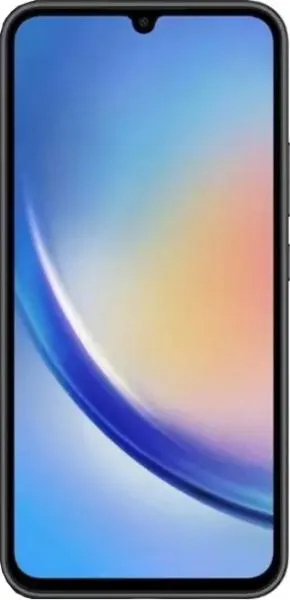
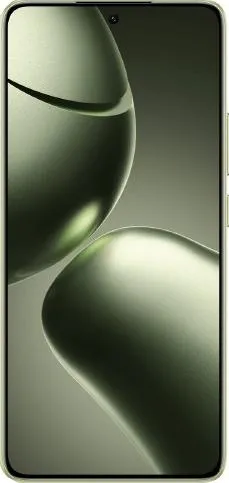
1. Specifications Comparison
| Feature | Samsung Galaxy A34 | Xiaomi 14T | Practical Impact |
|---|---|---|---|
| Design | |||
| Dimensions (mm) | 161.3 x 78.1 x 8.2 | 160.5 x 75.1 x 7.8 | Xiaomi 14T is slightly smaller and thinner. |
| Weight (g) | 199 | 193 | Negligible weight difference in real-world usage. |
| Display | |||
| Size (inches) | 6.6 | 6.67 | Xiaomi 14T offers a marginally larger screen. |
| Resolution (px) | 1080 x 2340 | 1220 x 2712 | Xiaomi 14T has a noticeably sharper display (higher pixel density and resolution). |
| Refresh Rate (Hz) | 120 | 144 | Xiaomi 14T's higher refresh rate results in smoother animations and scrolling, especially noticeable in gaming and fast-paced content. |
| Display Type | Super AMOLED | AMOLED | Both offer vibrant colors and deep blacks; however, the Xiaomi 14T's claimed peak brightness of 4000 nits provides significantly better outdoor visibility. It also supports Dolby Vision and HDR10+ for enhanced dynamic range in compatible content. |
| Performance | |||
| Chipset | Mediatek Dimensity 1080 (6 nm) | Mediatek Dimensity 8300 Ultra (4 nm) | Xiaomi 14T's newer and more powerful chipset, built on a smaller process node, delivers significantly better performance and efficiency, leading to smoother multitasking, faster app loading, and improved gaming capabilities. |
| CPU | Octa-core (2x2.6 GHz Cortex-A78 & 6x2.0 GHz Cortex-A55) | Octa-core (1x3.35 GHz Cortex-A715 & 3x3.20 GHz Cortex-A715 & 4x2.20 GHz Cortex-A510) | Xiaomi 14T boasts a more modern CPU architecture with higher clock speeds, resulting in a significant performance advantage. |
| GPU | Mali-G68 MC4 | Mali G615-MC6 | While both are capable GPUs, the architectural improvements in the Dimensity 8300 Ultra likely provide the Xiaomi 14T with a gaming advantage. Specific benchmark comparisons are needed for a definitive conclusion. |
| RAM (GB) | 6/8 | 12 | Xiaomi 14T offers more RAM, enabling better multitasking and smoother performance with demanding applications. |
| Camera | |||
| Main Camera (MP) | 48 | 50 | Both offer high-resolution main sensors. The Xiaomi 14T uses a larger sensor (Sony IMX906), potentially offering better low-light performance and dynamic range. |
| Ultrawide (MP) | 5 | 13 | Xiaomi 14T has a significantly higher resolution ultrawide camera, capturing more detail and offering a wider field of view. |
| Telephoto (MP) | None | 50 | Xiaomi 14T includes a dedicated telephoto lens for optical zoom, enabling lossless zoomed-in shots - a feature absent in the A34. |
| Video Recording | 4K@30fps | Up to 4K@60fps with HDR, EIS | Xiaomi 14T offers higher resolution and frame rate video recording with HDR and enhanced image stabilization. |
| Battery | |||
| Capacity (mAh) | 5000 | 5000 | Both have the same battery capacity. |
| Fast Charging (W) | 25 | 67 | Xiaomi 14T supports significantly faster charging, minimizing downtime. |
2. Key Differences Analysis
Xiaomi 14T Advantages:
- Superior Performance: The Dimensity 8300 Ultra chipset and higher RAM provide a significant performance advantage for demanding tasks and gaming.
- Sharper and Brighter Display: Higher resolution, refresh rate, and peak brightness offer a smoother and more visually appealing experience. HDR10+ and Dolby Vision support further enhance visual quality.
- More Versatile Camera System: The inclusion of a telephoto lens and a higher resolution ultrawide sensor allows for greater creative flexibility. Improved video recording capabilities are also noteworthy.
- Faster Charging: Significantly faster charging speeds minimize downtime.
Samsung Galaxy A34 Advantages:
- Potentially Lower Price: While pricing can vary, the A34 generally falls into a more affordable price bracket. Specific regional pricing comparisons are needed for a definitive conclusion.
3. User Profiles & Recommendations
Xiaomi 14T: Ideal for users who prioritize performance, a high-quality display, a versatile camera system, and fast charging. Suitable for mobile gamers, content creators, and power users.
Samsung Galaxy A34: Best suited for budget-conscious users who prioritize essential smartphone features over top-tier performance and camera capabilities. Good for everyday tasks like browsing, social media, and casual photography.
4. Decision Framework
Key Questions for Buyers:
- What is your budget? The Xiaomi 14T is expected to be priced higher than the Galaxy A34.
- What are your primary smartphone usage patterns? Heavy gaming, content creation, and multitasking benefit from the 14T's superior performance.
- How important is camera quality and versatility? The 14T offers a clear advantage in camera features and capabilities.
My Choice: Xiaomi 14T
While I acknowledge the potential price difference, the Xiaomi 14T offers a compelling package of superior performance, display, and camera capabilities. The Dimensity 8300 Ultra chipset, coupled with the 144Hz AMOLED display and versatile camera system, makes it a more future-proof device. The significantly faster charging is a substantial convenience. While the A34 is a respectable mid-range option, the 14T's advancements in key areas justify the likely price premium for my needs and preferences. I value a smooth and responsive user experience, a high-quality display for media consumption, and a capable camera for capturing moments. The 14T delivers on all these fronts.
