1. Specifications Comparison
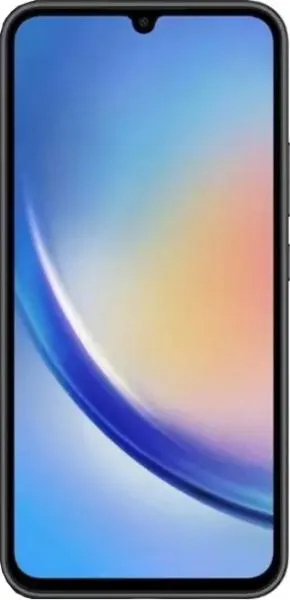
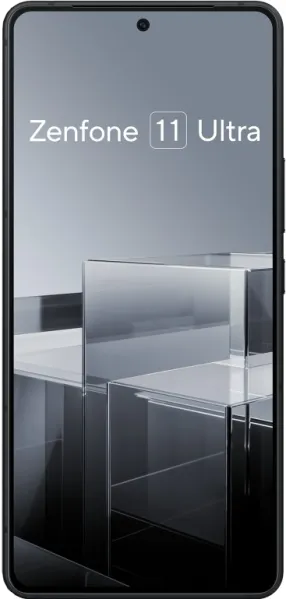
| Feature | Samsung Galaxy A34 | Asus Zenfone 11 Ultra | Practical Impact |
|---|---|---|---|
| Design | |||
| Dimensions (mm) | 161.3 x 78.1 x 8.2 | 163.8 x 76.8 x 8.9 | Zenfone 11 Ultra is slightly larger and thicker. |
| Weight (g) | 199 | 224 | Zenfone 11 Ultra is noticeably heavier. |
| Display | |||
| Display Size (inches) | 6.6 | 6.78 | Zenfone 11 Ultra offers a slightly larger screen. |
| Resolution (px) | 1080 x 2340 | 1080 x 2400 | Nearly identical resolution; minimal real-world difference. |
| Refresh Rate (Hz) | 120 | 144 | Zenfone 11 Ultra's higher refresh rate results in smoother scrolling and animations. |
| Display Type | Super AMOLED | LTPO AMOLED | Both offer vibrant colors and deep blacks. LTPO allows for dynamic refresh rate adjustment, potentially saving battery on the Zenfone. Zenfone's peak brightness is significantly higher, improving outdoor visibility. |
| Peak Brightness (nits) | 1000 | 2500 | |
| Performance | |||
| Chipset | Mediatek Dimensity 1080 (6 nm) | Qualcomm Snapdragon 8 Gen 3 (4 nm) | Snapdragon 8 Gen 3 provides significantly better performance and efficiency. |
| CPU | Octa-core (2x2.6 GHz Cortex-A78 & 6x2.0 GHz Cortex-A55) | Octa-core (1x3.3 GHz Cortex-X4 & 3x3.2 GHz Cortex-A720 & 2x3.0 GHz Cortex-A720 & 2x2.3 GHz Cortex-A520) | Zenfone 11 Ultra has a more powerful and modern CPU architecture. |
| GPU | Mali-G68 MC4 | Adreno 750 | Adreno 750 offers significantly improved graphics performance for demanding games and applications. |
| RAM | 6/8 GB | 12/16 GB | Zenfone 11 Ultra offers more RAM, enabling better multitasking and smoother performance with demanding apps. |
| Camera | |||
| Main Camera (MP) | 48 | 50 | Both offer high-resolution main cameras. Pixel size and sensor details would be needed for a more thorough comparison. |
| Ultrawide (MP) | 5 | 13 | Zenfone offers a higher resolution ultrawide camera. |
| Telephoto (MP) | N/A | 32 | Zenfone 11 Ultra includes a dedicated telephoto lens for optical zoom, absent in the A34. |
| Video Recording | 4K@30fps | 8K@24fps | Zenfone 11 Ultra supports higher resolution video recording. It also boasts a gimbal for superior stabilization. |
| Battery | |||
| Capacity (mAh) | 5000 | 5500 | Zenfone 11 Ultra has a slightly larger battery capacity. |
| Fast Charging (W) | 25 | 65 | Zenfone 11 Ultra supports significantly faster charging. |
2. Key Differences Analysis
Samsung Galaxy A34 Advantages:
- Lower Price: Expected to be significantly more affordable.
- More Compact and Lighter: Easier to handle and carry.
Asus Zenfone 11 Ultra Advantages:
- Significantly More Powerful: Superior CPU, GPU, and more RAM for demanding tasks and gaming.
- Better Display: Higher refresh rate, LTPO technology, and much brighter screen.
- Superior Camera System: Higher resolution ultrawide and telephoto lenses, 8K video recording, and gimbal stabilization.
- Faster Charging: Significantly reduced charging times.
- Larger Battery: Potentially longer battery life.
3. User Profiles & Recommendations
Samsung Galaxy A34: Suitable for budget-conscious users who prioritize basic smartphone functionality, casual gaming, and everyday tasks.
Asus Zenfone 11 Ultra: Ideal for power users, mobile gamers, content creators, and those who demand top-tier performance, display, and camera capabilities.
4. Decision Framework
Key Questions for Buyers:
- What is your budget? The A34 is a mid-range option, while the Zenfone 11 Ultra is a premium device.
- What are your primary use cases? For basic tasks and casual use, the A34 is sufficient. For demanding gaming, content creation, or photography, the Zenfone 11 Ultra is superior.
- How important are display quality and camera features? The Zenfone 11 Ultra offers a noticeably better display and camera system.
My Choice: Asus Zenfone 11 Ultra
While the price difference is significant, the Zenfone 11 Ultra offers a substantial upgrade in performance, display, and camera capabilities. The Snapdragon 8 Gen 3, coupled with the higher refresh rate LTPO display and advanced camera features, makes it a compelling device for demanding users and future-proofs it for longer. The faster charging and larger battery are also significant advantages. While the A34 is a solid mid-range option, the Zenfone 11 Ultra provides a superior user experience for a power user like myself. I value performance, a smooth display, and excellent camera capabilities, making the Zenfone 11 Ultra the clear winner for my needs.
