1. Specifications Comparison
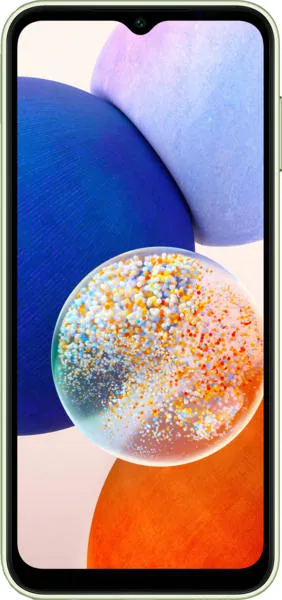
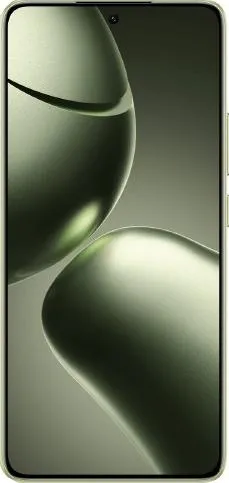
| Feature | Samsung Galaxy A14 | Xiaomi 14T | Practical Impact |
|---|---|---|---|
| Design | |||
| Dimensions (mm) | 167.7 x 78 x 9.1 | 160.5 x 75.1 x 7.8 | Xiaomi 14T is noticeably smaller and thinner, making it more pocketable and easier to handle. |
| Weight (g) | 201 | 193 | While the weight difference is minimal, the Xiaomi 14T feels lighter in hand due to its smaller size. |
| Build Material | Not specified | Not specified | Cannot compare build quality without material information. |
| Display | |||
| Display Type | PLS LCD | AMOLED | Xiaomi 14T's AMOLED display offers significantly better contrast, deeper blacks, and more vibrant colors compared to the A14's LCD. |
| Display Size (inches) | 6.6 | 6.67 | Negligible difference in screen real estate. |
| Resolution | 1080 x 2408 | 1220 x 2712 | Xiaomi 14T has a sharper display with higher pixel density, resulting in clearer text and images. |
| Refresh Rate | Not specified | 144Hz | The 144Hz refresh rate on the Xiaomi 14T delivers a much smoother and more fluid user experience, especially noticeable in gaming and scrolling. |
| HDR | No | Dolby Vision, HDR10+ | Xiaomi 14T supports HDR content, resulting in a wider dynamic range and more realistic visuals in compatible media. |
| Peak Brightness | Not Specified | 4000 nits | The significantly higher peak brightness of the Xiaomi 14T ensures better visibility in direct sunlight. |
| Performance | |||
| Chipset | Mediatek Helio G80 (12nm) | Mediatek Dimensity 8300 Ultra (4nm) | Xiaomi 14T's Dimensity 8300 Ultra is significantly more powerful and efficient due to its smaller manufacturing process, leading to much better performance in demanding tasks and games, along with improved battery life. |
| CPU | Octa-core (2x2.0 GHz A75 & 6x1.8 GHz A55) | Octa-core (1x3.35 GHz A715 & 3x3.20 GHz A715 & 4x2.20 GHz A510) | The Xiaomi 14T features faster and more modern CPU cores, translating to significant performance gains. |
| RAM | 4GB | 12GB | The massive difference in RAM allows for significantly better multitasking on the Xiaomi 14T. Apps will stay open in the background longer, and performance will be smoother when switching between them. |
| Camera | |||
| Main Camera | 50MP, f/1.8 | 50MP, f/1.7, Sony IMX906, OIS | While both have 50MP sensors, the Xiaomi 14T benefits from a larger sensor (IMX906) and Optical Image Stabilization (OIS), leading to better low-light performance and sharper images. |
| Video Recording | 1080p@30fps | Up to 4K@60fps with HDR, EIS | Xiaomi 14T offers significantly better video recording capabilities with higher resolution, frame rates, HDR, and Electronic Image Stabilization (EIS) for smoother footage. |
| Battery | |||
| Capacity | 5000mAh | 5000mAh | Similar battery capacities suggest comparable battery life, although real-world usage will depend on other factors like the display and chipset. |
| Fast Charging | 15W | 67W | Xiaomi 14T charges significantly faster, minimizing downtime. |
2. Key Differences Analysis
Xiaomi 14T Advantages:
- Superior Performance: Significantly faster processor, more RAM, and smoother display.
- Better Display: AMOLED with higher resolution, refresh rate, and HDR support.
- Enhanced Camera: Improved main sensor, OIS, and superior video recording capabilities.
- Faster Charging: 67W fast charging compared to 15W.
Samsung Galaxy A14 Advantages:
- Potentially Lower Price: While prices weren't directly compared, A-series phones are generally more budget-friendly.
3. User Profiles & Recommendations
Xiaomi 14T: Ideal for users who prioritize performance, a high-quality display, a good camera, and fast charging. Suitable for gamers, content creators, and power users.
Samsung Galaxy A14: Best suited for budget-conscious users who prioritize basic functionality and long battery life over high-end features. Suitable for casual users primarily using their phone for calling, texting, and light browsing.
4. Decision Framework
Key Questions for Buyers:
- What is your budget? The Xiaomi 14T is significantly more expensive.
- What are your primary use cases? Gaming, content creation, and heavy multitasking benefit from the 14T's performance.
- How important is display quality and camera performance? The 14T offers a vastly superior experience in these areas.
My Choice: Xiaomi 14T
While the Samsung Galaxy A14 might be a suitable option for budget-conscious users with basic needs, the Xiaomi 14T is the clear winner for me. The significantly improved performance, superior display, enhanced camera capabilities, and faster charging justify the higher price. The smoother 144Hz AMOLED display, powerful Dimensity 8300 Ultra chipset, and advanced camera features provide a vastly improved user experience that I value greatly. The faster 67W charging is also a huge plus for minimizing downtime. While price is a factor, the long-term benefits and overall user experience offered by the Xiaomi 14T outweigh the higher initial cost.
