1. Specifications Comparison
| Feature | Samsung Galaxy A14 | Motorola Edge 50 Ultra | Practical Impact |
|---|---|---|---|
| Design | |||
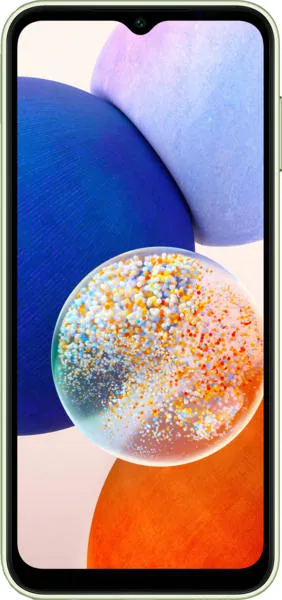
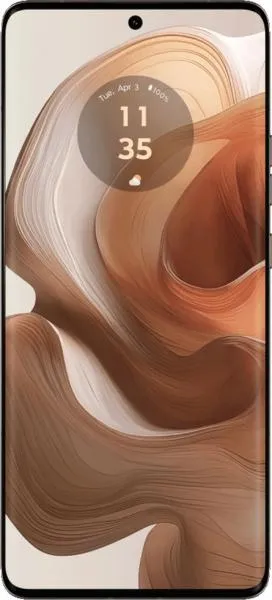
| Dimensions (mm) | 167.7 x 78 x 9.1 | 161.1 x 72.4 x 8.6 | Edge 50 Ultra is slightly smaller and thinner, potentially improving one-handed usability. |
| Weight (g) | 201 | 197 | Negligible weight difference. |
| Build Material | Not specified | Not specified | Cannot compare build quality and durability without more information. |
| Display | |||
| Display Type | PLS LCD | P-OLED | Edge 50 Ultra's P-OLED offers deeper blacks, more vibrant colors, and better power efficiency. |
| Display Size (inches) | 6.6 | 6.7 | Minimal difference in screen real estate. |
| Resolution | 1080 x 2408 | 1220 x 2712 | Edge 50 Ultra has a sharper display with higher pixel density (446 ppi vs 400 ppi), resulting in clearer text and images. |
| Refresh Rate | Not specified | 144Hz | Edge 50 Ultra's 144Hz refresh rate provides significantly smoother scrolling and animations, enhancing gaming and overall UI responsiveness. A14's refresh rate is unknown but likely 60Hz which is standard. |
| Performance | |||
| Chipset | Mediatek Helio G80 (12nm) | Snapdragon 8s Gen 3 (4nm) | Edge 50 Ultra's Snapdragon 8s Gen 3 is significantly more powerful, enabling smoother multitasking, faster app loading, and better gaming performance. |
| CPU | Octa-core (2x2.0 GHz A75 & 6x1.8 GHz A55) | Octa-core (1x3.0 GHz X4 & 4x2.8 GHz A720 & 3x2.0 GHz A520) | Edge 50 Ultra's CPU architecture is newer and more powerful, delivering a substantial performance advantage. |
| RAM | 4GB | 12GB/16GB | Edge 50 Ultra's larger RAM allows for more apps to run in the background without performance slowdown. |
| Storage | 128GB | 512GB/1TB | Edge 50 Ultra provides significantly more storage for apps, photos, and videos. |
| Camera | |||
| Main Camera | 50MP | 50MP (Omnivision OV50H) | While both have 50MP main sensors, the Edge 50 Ultra utilizes a larger sensor (1/1.3") and wider aperture (f/1.6) potentially capturing more light and detail, especially in low-light conditions. |
| Additional Cameras | Macro, Depth, Selfie | Wide, Telephoto, Selfie | Edge 50 Ultra offers more versatile camera options with wide-angle and telephoto lenses, enabling a wider range of photography styles. |
| Video Recording | 1080p@30fps | Up to 4K@60fps with HDR, EIS, 960fps slow-motion | Edge 50 Ultra offers superior video recording capabilities with higher resolution, frame rates, HDR, and image stabilization. |
| Battery | |||
| Capacity | 5000mAh | 4500mAh | A14 has a larger battery capacity, potentially offering longer battery life. However, real-world battery life depends on various factors, including display type and processor efficiency. |
| Fast Charging | 15W | 125W | Edge 50 Ultra supports significantly faster charging, minimizing downtime. |
2. Key Differences Analysis
Samsung Galaxy A14 Advantages:
- Potentially longer battery life: The larger 5000mAh battery could outlast the Edge 50 Ultra in some usage scenarios.
- Lower Price: The A14 is positioned in a more affordable price range.
Motorola Edge 50 Ultra Advantages:
- Significantly higher performance: The Snapdragon 8s Gen 3, coupled with ample RAM, ensures a smooth and responsive user experience.
- Superior display: The P-OLED display with a 144Hz refresh rate offers vibrant colors, deep blacks, and incredibly smooth visuals.
- More versatile camera system: The inclusion of wide-angle and telephoto lenses expands creative possibilities.
- Faster charging: 125W fast charging drastically reduces charging time.
3. User Profiles & Recommendations
Samsung Galaxy A14: Suitable for budget-conscious users who prioritize basic smartphone functionality, long battery life, and calling/texting over high performance or advanced features.
Motorola Edge 50 Ultra: Ideal for users who demand top-tier performance, a premium display, excellent camera capabilities, and fast charging. Suitable for power users, gamers, and mobile photographers/videographers. The faster USB standard (3.1 Gen 2 with DisplayPort) also makes it appealing for users who might want to connect their phone to a monitor for productivity or entertainment.
4. Decision Framework
Key Questions for Buyers:
- What is your budget? The A14 is significantly more affordable.
- What are your performance expectations? The Edge 50 Ultra offers a vastly superior performance for demanding tasks and gaming.
- What are your priorities in terms of display, camera, and battery life? The Edge 50 Ultra excels in display and camera quality, while the A14 might offer longer battery life.
My Choice: Motorola Edge 50 Ultra
While the Samsung Galaxy A14 offers a larger battery and lower price, the Motorola Edge 50 Ultra is the clear winner for me. The significantly improved performance, stunning P-OLED display with 144Hz refresh rate, versatile camera system, and incredibly fast charging are compelling advantages. I prioritize a smooth and responsive user experience, a high-quality display, and good camera capabilities, making the Edge 50 Ultra the better choice despite the higher price and slightly smaller battery. The inclusion of features like DisplayPort further enhances its appeal for potential productivity use cases. The difference in day-to-day usage would be significant, justifying the price premium for a more enjoyable and future-proof smartphone experience.
