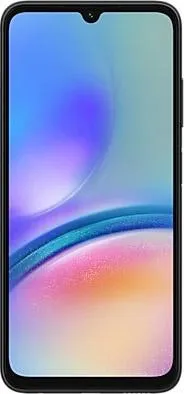
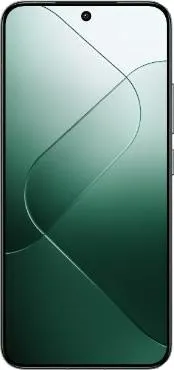
1. Specifications Comparison
| Feature | Samsung Galaxy A05s | Xiaomi 14 | Practical Impact |
|---|---|---|---|
| Design | |||
| Dimensions | 168x77.8x8.8mm | 152.8x71.5x8.2mm | Xiaomi 14 is significantly more compact and pocketable. |
| Weight | 194g | 188g | Xiaomi 14 is slightly lighter, enhancing one-handed use. |
| Build | Not specified | Not specified | Build materials impact durability and premium feel; information is lacking for a complete comparison. |
| Display | |||
| Size | 6.7" | 6.36" | A05s offers a larger screen for media consumption, while Xiaomi 14 prioritizes portability. |
| Type | PLS LCD, 90Hz | LTPO OLED, 120Hz, Dolby Vision, HDR10+ | Xiaomi 14's OLED delivers superior contrast, deeper blacks, and smoother animations. Dolby Vision and HDR10+ provide a significantly better HDR experience. |
| Resolution | 1080x2400 | 1200x2670 | Xiaomi 14 boasts sharper visuals due to higher pixel density (460 vs 393 PPI). |
| Peak Brightness | Not specified | 3000 nits | Xiaomi 14's exceptional peak brightness ensures excellent outdoor visibility. The lack of data for the A05s prevents a direct comparison. |
| Refresh Rate | 90Hz | 120Hz | Xiaomi 14 offers smoother scrolling and animations thanks to the higher refresh rate. |
| Performance | |||
| Chipset | Snapdragon 680 4G (6nm) | Snapdragon 8 Gen 3 (4nm) | Xiaomi 14's flagship processor significantly outperforms the A05s in demanding tasks, gaming, and multitasking. |
| CPU | Octa-core (4x2.4 GHz & 4x1.9 GHz) | Octa-core (1x3.3 GHz & 3x3.2 GHz & 2x3.0 GHz & 2x2.3 GHz) | The architectural differences and clock speeds in the Xiaomi 14's CPU result in substantially faster processing power. |
| GPU | Adreno 610 | Adreno 750 | Xiaomi 14 will provide a dramatically better gaming experience and handle graphics-intensive tasks with ease. |
| RAM/Storage | 128GB/4GB, 128GB/6GB | 256GB/12GB, 512GB/12GB | Xiaomi 14 offers significantly more RAM and storage, leading to smoother multitasking, faster app loading, and ample space for files. |
| Battery | |||
| Capacity | 5000 mAh | 4610 mAh | While the A05s has a larger battery, the Xiaomi 14's more efficient processor might result in comparable or even better battery life. |
| Charging Speed | Not Specified | Not Specified | Charging speed significantly impacts usability; this information is crucial for a comprehensive comparison. |
2. Key Differences Analysis
Xiaomi 14 Advantages:
- Significantly more powerful: The Snapdragon 8 Gen 3 offers flagship-level performance compared to the mid-range Snapdragon 680.
- Superior display: The OLED with 120Hz, HDR10+, and Dolby Vision drastically improves visual quality.
- More premium design: Smaller dimensions, potentially better build materials (although unspecified).
- More RAM and Storage: Enables smoother multitasking and ample space for files.
Samsung Galaxy A05s Advantages:
- Potentially longer battery life: Larger battery capacity might compensate for the less efficient processor, but this depends on real-world usage.
- Larger display: Better for media consumption for users who prioritize screen size over quality.
3. User Profiles & Recommendations
Xiaomi 14: Users who demand top-tier performance, a premium viewing experience, and a compact form factor. Ideal for demanding tasks, gaming, and content creation.
Samsung Galaxy A05s: Budget-conscious users who prioritize basic functionality, a large screen, and long battery life. Suitable for casual usage, web browsing, and media consumption.
4. Decision Framework
Key Questions:
- What is your budget? The Xiaomi 14 will likely be considerably more expensive.
- What are your primary use cases? Demanding tasks and gaming favor the Xiaomi 14; casual use favors the A05s.
- Do you prioritize display quality or battery life? Xiaomi 14 excels in display; A05s potentially in battery life (due to larger capacity, though real-world usage will vary).
My Choice: Xiaomi 14
While the "medium price" designation for both phones is confusing given the expected disparity in actual pricing due to their vastly different specs, I would choose the Xiaomi 14. The superior performance, stunning display, and compact design far outweigh the potential benefits of a slightly larger battery and screen on the A05s. The Xiaomi 14 provides a significantly more future-proof and enjoyable user experience. Even if the Xiaomi 14 has a smaller battery capacity, the significantly more efficient processor could potentially result in similar battery life. The leap in performance, display quality, and overall user experience justifies the likely higher price for me.
