1. Specifications Comparison
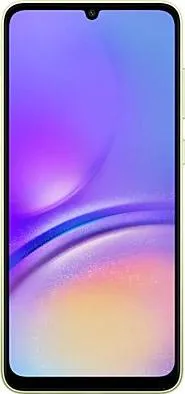
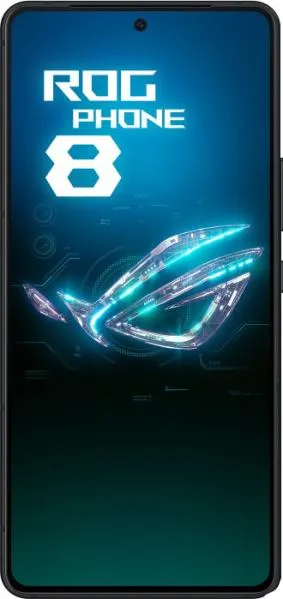
| Feature | Samsung Galaxy A05 | Asus ROG Phone 8 | Practical Impact |
|---|---|---|---|
| Design | |||
| Dimensions | 168.8 x 78.2 x 8.8 mm | 163.8 x 76.8 x 8.9 mm | ROG Phone 8 is slightly shorter and narrower, but marginally thicker. Negligible difference in everyday use. |
| Weight | 195g | 225g | ROG Phone 8 is significantly heavier, potentially noticeable during prolonged use. |
| Build Materials | Not specified | Not specified | Cannot compare build quality and durability without further information. |
| Display | |||
| Display Type | PLS LCD | LTPO AMOLED | AMOLED offers superior contrast, deeper blacks, and potentially better power efficiency due to per-pixel illumination. The ROG Phone's LTPO technology enables dynamic refresh rate adjustment for power saving. |
| Size | 6.7" | 6.78" | Negligible size difference. |
| Resolution | 720 x 1600 (HD+) | 1080 x 2400 (FHD+) | ROG Phone 8 has a significantly sharper display due to higher resolution and pixel density (388 ppi vs 262 ppi). This translates to crisper text and images. |
| Refresh Rate | Not specified | 165Hz | Higher refresh rate on the ROG Phone 8 results in noticeably smoother animations, scrolling, and gaming experiences. |
| Peak Brightness | Not specified | 2500 nits | ROG Phone 8's exceptionally high peak brightness ensures excellent outdoor visibility even in direct sunlight. Missing information for the A05 prevents comparison. |
| Performance | |||
| Chipset | Mediatek Helio G85 (12nm) | Qualcomm Snapdragon 8 Gen 3 (4nm) | The Snapdragon 8 Gen 3 is a significantly more powerful and efficient chip, offering substantially better performance in demanding tasks like gaming and multitasking. |
| CPU | Octa-core (2x2.0 GHz Cortex-A75 & 6x1.8 GHz Cortex-A55) | Octa-core (1x3.3 GHz Cortex-X4 & 3x3.2 GHz Cortex-A720 & 2x3.0 GHz Cortex-A720 & 2x2.3 GHz Cortex-A520) | ROG Phone 8's CPU boasts higher clock speeds and a more advanced architecture, resulting in significantly faster processing. |
| GPU | Mali-G52 MC2 | Adreno 750 | Adreno 750 provides a significant leap in graphics performance compared to the Mali-G52 MC2, enabling higher frame rates and better visual quality in games. |
| RAM | 4GB/6GB | 16GB | Massively more RAM in the ROG Phone 8 allows for seamless multitasking and prevents apps from closing in the background. |
| Storage | 128GB | 256GB | Double the storage on the ROG Phone 8 allows for storing more apps, photos, and videos. |
| Battery | |||
| Capacity | 5000 mAh | 5500 mAh | ROG Phone 8 has a slightly larger battery. However, real-world battery life depends on factors like display brightness and usage patterns. |
| Other | |||
| OS | Android 13 | Android 14 | ROG Phone 8 comes with a newer Android version, offering potential features and performance improvements. It also has a longer guaranteed update cycle (up to Android 16). |
| NFC | No | Yes | NFC enables contactless payments and data transfer. |
2. Key Differences Analysis
Samsung Galaxy A05 Advantages:
- Potentially lower price: Likely significantly cheaper given the "low price" range designation.
Asus ROG Phone 8 Advantages:
- Significantly higher performance: Superior CPU, GPU, and RAM deliver a vastly smoother and more responsive experience, particularly in demanding applications and games.
- Superior display: AMOLED technology, higher resolution, refresh rate, and peak brightness provide a vastly improved visual experience.
- More Features: NFC, newer Android version with longer support, and advanced video recording capabilities.
3. User Profiles & Recommendations
Samsung Galaxy A05: Budget-conscious users who prioritize basic smartphone functionality (calling, texting, social media) and light usage.
Asus ROG Phone 8: Power users, mobile gamers, and content creators who demand top-tier performance, a stunning display, and advanced features.
4. Decision Framework
Key Questions:
- What is your budget?
- What are your primary smartphone usage patterns?
- How important are performance, display quality, and advanced features to you?
Scenario-Based Recommendations:
- Tight Budget, Basic Usage: Samsung Galaxy A05
- Demanding Games, Content Creation: Asus ROG Phone 8
- Balanced Needs, Value for Money: Consider mid-range alternatives with better specifications than the A05 but lower price than the ROG Phone 8.
My Choice: Asus ROG Phone 8
While significantly more expensive, the Asus ROG Phone 8 is the clear winner for me. I value a smooth and responsive user experience, which the ROG Phone 8 delivers in spades thanks to its powerful hardware, high refresh rate display, and large RAM capacity. The superior display and advanced features like NFC further solidify my choice. While the Galaxy A05 serves a purpose for budget-conscious buyers, the performance gap is simply too significant to ignore for my personal needs. I would gladly pay a premium for the significantly enhanced user experience offered by the ROG Phone 8.
