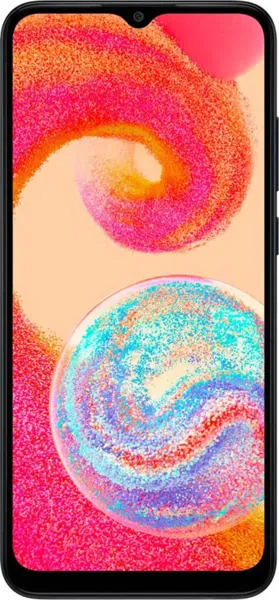
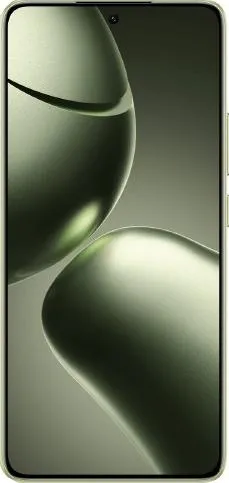
Samsung Galaxy A04e vs. Xiaomi 14T: A Deep Dive for the Discerning User
Let's cut through the marketing fluff and get down to brass tacks. The Samsung Galaxy A04e and Xiaomi 14T represent vastly different approaches to smartphone design, targeting distinct user needs and budgets. This in-depth comparison will equip you with the knowledge to decide which phone best fits your life.
1. Specifications Breakdown
| Feature | Samsung Galaxy A04e | Xiaomi 14T | Real-World Implications |
|---|---|---|---|
| Design | |||
| Dimensions (mm) | 164.2 x 75.9 x 9.1 | 160.5 x 75.1 x 7.8 | Xiaomi 14T is slightly more compact and noticeably thinner. |
| Weight (g) | 188 | 193 | Negligible weight difference in real-world usage. |
| Build Materials | Plastic | Glass/Aluminum | Xiaomi 14T offers a more premium feel and potentially better durability. |
| Display | |||
| Display Type | PLS LCD | AMOLED | Xiaomi 14T's AMOLED delivers richer colors, deeper blacks, and better power efficiency. |
| Size (inches) | 6.5 | 6.67 | Xiaomi 14T offers a slightly larger screen. |
| Resolution | 720 x 1600 | 1220 x 2712 | Xiaomi 14T boasts significantly sharper visuals (446 ppi vs. 270 ppi). |
| Refresh Rate | Standard | 144Hz | Xiaomi 14T provides incredibly smooth scrolling and animations, enhancing gaming and UI responsiveness. |
| Performance | |||
| Chipset | Helio P35 | Dimensity 8300 Ultra | Xiaomi 14T offers a massive leap in processing power for demanding tasks and gaming. |
| CPU | Octa-core 2.3 GHz | Octa-core 3.35 GHz | Xiaomi 14T delivers significantly faster performance across the board. |
| RAM | 3/4 GB | 12 GB | Xiaomi 14T offers vastly superior multitasking capabilities and smoother performance. |
| Camera | |||
| Main Camera | 13 MP | 50 MP (Sony IMX906) | Xiaomi 14T provides significantly higher resolution, better low-light performance, and more detail. |
| Video Recording | 1080p@30fps | 4K@60fps | Xiaomi 14T offers much higher resolution and smoother video recording capabilities. |
| Battery Life | |||
| Capacity (mAh) | 5000 | 5000 | Similar battery capacity, but real-world usage will vary due to display and processor differences. |
2. Key Insights
The Xiaomi 14T is a clear winner in terms of raw performance, display quality, and camera capabilities. Its powerful Dimensity 8300 Ultra chipset, coupled with 12GB of RAM, ensures blazing-fast speeds for even the most demanding applications. The 144Hz AMOLED display offers a visually stunning and incredibly responsive user experience.
The Samsung Galaxy A04e, on the other hand, is a budget-friendly device prioritizing affordability. While its specifications are modest, it still provides basic functionality for everyday tasks like calling, texting, and web browsing. It's crucial to manage expectations; this phone is not designed for heavy gaming or demanding applications.
3. User Profiles and Recommendations
Samsung Galaxy A04e: Ideal for budget-conscious users who prioritize basic communication and light web browsing. Students, seniors, or anyone seeking a simple, affordable secondary device would find this suitable.
Xiaomi 14T: Designed for power users, gamers, and content creators who demand top-tier performance, a stunning display, and advanced camera features. This phone excels in multitasking, demanding applications, and capturing high-quality photos and videos.
4. Buying Decision Framework
- What is your budget? The A04e is significantly cheaper, while the 14T represents a larger investment.
- What are your primary use cases? Basic communication vs. demanding applications, gaming, and content creation.
- How important are display quality and camera performance? The 14T offers a substantial upgrade in both areas.
Scenario-Based Recommendations:
- Limited Budget, Basic Needs: Choose the Galaxy A04e.
- Power User, Demanding Tasks: Choose the Xiaomi 14T.
- Balanced Needs, Mid-Range Budget: Consider other options, as the A04e may be too basic and the 14T might be overkill.
My Choice: Xiaomi 14T
As a tech journalist who constantly tests and pushes the limits of mobile technology, I need a device that can keep up. The Xiaomi 14T's powerful processor, stunning 144Hz AMOLED display, and advanced camera system are essential for my workflow. While the price is higher, the significant performance gains and premium features justify the investment for my needs. The smooth multitasking, responsive gaming experience, and ability to capture high-quality content on the go are invaluable to me. The Samsung Galaxy A04e, while serving its niche well, simply wouldn't meet my demands.
