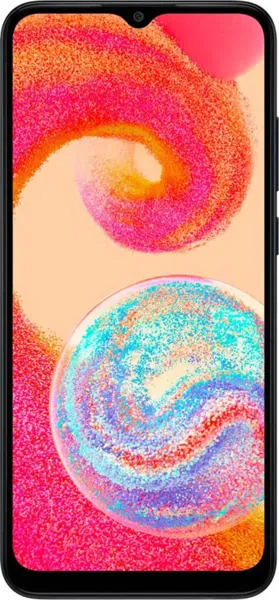
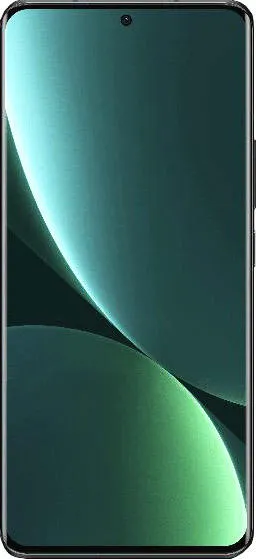
Samsung Galaxy A04e vs. Xiaomi 13 Pro: A Deep Dive
Let's dissect the Samsung Galaxy A04e and the Xiaomi 13 Pro, two phones occupying very different ends of the smartphone spectrum. This comparison aims to illuminate their strengths, weaknesses, and ideal user profiles.
1. Specifications Breakdown
| Feature | Samsung Galaxy A04e | Xiaomi 13 Pro | Real-World Implications |
|---|---|---|---|
| Design | |||
| Dimensions (mm) | 164.2 x 75.9 x 9.1 | 162.9 x 74.6 x 8.4 | Xiaomi is slightly smaller and thinner. |
| Weight (g) | 188 | 210 | A04e noticeably lighter for extended use. |
| Build Materials | Plastic | Glass & Aluminum | Xiaomi feels more premium and durable. |
| Display | |||
| Size (inches) | 6.5 | 6.73 | Xiaomi offers a larger screen. |
| Resolution | 720 x 1600 | 1440 x 3200 | Vastly sharper and more detailed visuals on the Xiaomi. |
| Panel Type | PLS LCD | LTPO AMOLED | Xiaomi boasts vibrant colors, deeper blacks, and power efficiency due to LTPO. |
| Refresh Rate | - | 120Hz | Smoother scrolling and animations on the Xiaomi. |
| Performance | |||
| Chipset | Helio P35 | Snapdragon 8 Gen 2 | Xiaomi delivers flagship-level speed and responsiveness. A04e suited for basic tasks. |
| CPU | Octa-core (Cortex-A53) | Octa-core (Cortex-X3/A715/A710/A510) | Xiaomi handles demanding apps and multitasking with ease. |
| RAM | 3/4GB | 8/12GB | Xiaomi allows for seamless app switching and resource-intensive tasks. |
| Storage | 32/64/128GB | 128/256/512GB | Xiaomi offers significantly more storage for apps, photos, and videos. |
| Camera | |||
| Rear Camera | 13MP Main, 2MP Depth | 50MP Main, 50MP Ultrawide, 50MP Telephoto | Xiaomi's triple camera system offers superior image quality, versatility, and advanced features like optical zoom. |
| Front Camera | 5MP | 32MP | Sharper selfies and video calls on the Xiaomi. |
| Battery Life | |||
| Capacity (mAh) | 5000 | 4820 | Similar battery capacity, but Xiaomi's LTPO display and efficient processor could result in better overall battery life. |
2. Key Insights
The Xiaomi 13 Pro is a no-compromise flagship device. Its Snapdragon 8 Gen 2 chip, stunning AMOLED display, and Leica-tuned camera system place it in the top tier of smartphones. Expect blazing-fast performance, exceptional visuals, and professional-grade photography capabilities.
The Samsung Galaxy A04e, on the other hand, is a budget-friendly device aimed at basic smartphone users. Its Helio P35 processor is sufficient for everyday tasks like calling, texting, and browsing, but it won't handle demanding apps or games well. The camera is functional but lacks the advanced features of the Xiaomi.
3. User Profiles and Recommendations
Xiaomi 13 Pro: Ideal for power users, photographers, videographers, gamers, and anyone who demands the best possible smartphone experience. The price reflects the premium performance.
Samsung Galaxy A04e: Best suited for budget-conscious users, seniors, or those who primarily use their phones for basic communication and light web browsing. It's a reliable option for those who prioritize affordability over high-end features.
4. Buying Decision Framework
Questions to Ask:
- What's your budget? The Xiaomi 13 Pro is significantly more expensive.
- What are your primary smartphone needs? Basic communication vs. demanding tasks and high-quality content creation.
- How important are performance, camera quality, and display to you? The Xiaomi excels in these areas, while the A04e offers satisfactory basics.
Scenario-Based Recommendations:
- Student on a budget: Samsung Galaxy A04e
- Professional photographer: Xiaomi 13 Pro
- Casual user who values battery life: More information needed on specific usage patterns, but potentially the Xiaomi due to its efficient display and processor.
My Choice: Xiaomi 13 Pro
While the A04e serves its purpose as an entry-level phone, I crave performance and cutting-edge technology. The Xiaomi 13 Pro offers a compelling package with its powerful processor, brilliant display, and advanced camera system. As a tech enthusiast, the ability to capture stunning photos, multitask seamlessly, and enjoy a smooth user experience outweighs the higher price tag. I value the long-term investment in a device that can handle future demands and provide a premium experience. The Xiaomi 13 Pro aligns perfectly with my need for a device that can keep pace with my fast-paced, tech-driven lifestyle.
