
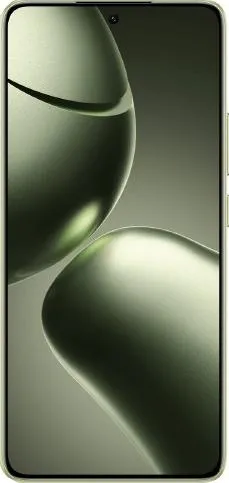
1. Specifications Comparison
| Feature | Realme C55 | Xiaomi 14T | Practical Impact |
|---|---|---|---|
| Design | |||
| Dimensions (mm) | 165.6 x 75.9 x 7.9 | 160.5 x 75.1 x 7.8 | Xiaomi 14T is slightly shorter and narrower, potentially improving one-handed usability. |
| Weight (g) | 189.5 | 193 | Negligible weight difference in real-world usage. |
| Fingerprint Sensor | Side-mounted | Under-display | Preference-based; under-display is often perceived as more modern. |
| Display | |||
| Display Type | IPS LCD | AMOLED | AMOLED offers richer blacks, vibrant colors, and better power efficiency in dark mode. |
| Display Size (inches) | 6.72 | 6.67 | Virtually identical screen sizes. |
| Resolution | 1080 x 2400 | 1220 x 2712 | Xiaomi 14T boasts a sharper display with higher pixel density (446 ppi vs 392 ppi), resulting in crisper text and images. |
| Refresh Rate (Hz) | 90 | 144 | Xiaomi 14T offers a significantly smoother scrolling and gaming experience due to the higher refresh rate. |
| Peak Brightness (nits) | 680 | 4000 | Xiaomi 14T's vastly superior peak brightness ensures excellent outdoor visibility. |
| HDR | No | HDR10+, Dolby Vision | Xiaomi 14T supports HDR content for a more dynamic viewing experience with compatible media. |
| Performance | |||
| Chipset | Mediatek Helio G88 (12nm) | Mediatek Dimensity 8300 Ultra (4nm) | Xiaomi 14T's significantly more powerful and efficient 4nm chipset will deliver notably better performance in demanding tasks and gaming, with improved battery life. |
| CPU | Octa-core (2x2.0 GHz A75 & 6x1.8 GHz A55) | Octa-core (1x3.35 GHz A715 & 3x3.2 GHz A715 & 4x2.2 GHz A510) | The Xiaomi 14T has a more modern and powerful CPU architecture, leading to faster processing speeds. |
| GPU | Mali-G52 MC2 | Mali G615-MC6 | Xiaomi 14T's GPU will offer superior gaming performance and smoother graphics rendering. |
| RAM | 6GB/8GB | 12GB | Xiaomi 14T offers more RAM, enabling better multitasking and smoother performance with multiple apps open. |
| Camera | |||
| Main Camera (MP) | 64 | 50 | Megapixel count isn't everything; Xiaomi 14T utilizes a larger sensor (Sony IMX906) known for good low-light performance. |
| Ultrawide (MP) | N/A | 13 | Xiaomi 14T offers an ultrawide lens for broader perspective shots. |
| Telephoto (MP) | N/A | 50 | Xiaomi 14T includes a telephoto lens for optical zoom capabilities. |
| Video Recording | 1080p@60fps | 4K@60fps with HDR, EIS | Xiaomi 14T offers significantly better video recording capabilities with higher resolution, HDR, and Electronic Image Stabilization (EIS). |
| Battery | |||
| Capacity (mAh) | 5000 | 5000 | Identical battery capacity. |
| Fast Charging (W) | 33 | 67 | Xiaomi 14T charges significantly faster. |
2. Key Differences Analysis
Xiaomi 14T Advantages:
- Significantly superior performance: The Dimensity 8300 Ultra chipset and higher RAM provide a much smoother and faster user experience.
- Better display: AMOLED technology, higher resolution, refresh rate, and HDR support deliver a vastly improved visual experience.
- More versatile camera system: Inclusion of ultrawide and telephoto lenses, along with superior video recording capabilities.
- Faster charging: 67W fast charging significantly reduces downtime.
Realme C55 Advantages:
- Potentially lower price: While pricing wasn't directly compared, Realme phones generally target a more budget-conscious market.
3. User Profiles & Recommendations
Realme C55: Suitable for users with basic smartphone needs like calling, texting, social media browsing, and light gaming. Budget-conscious buyers will find this phone appealing.
Xiaomi 14T: Ideal for power users, mobile gamers, photography enthusiasts, and those who prioritize a premium display and overall performance.
4. Decision Framework
Key Questions for Buyers:
- What is your budget? The Xiaomi 14T is likely significantly more expensive.
- What are your primary smartphone uses? Basic tasks vs. demanding applications and gaming.
- How important is display and camera quality? The Xiaomi 14T excels in these areas.
My Choice: Xiaomi 14T
While the Realme C55 offers a decent package for its likely lower price, the Xiaomi 14T is the clear winner for me. The significantly improved performance, stunning AMOLED display with a 144Hz refresh rate, more versatile camera system, and faster charging make it a compelling device. The advancements in chipset technology and the inclusion of a telephoto lens are substantial upgrades that would greatly enhance my daily usage. Even if the price difference is significant, the Xiaomi 14T offers a vastly superior user experience that justifies the premium. The performance difference alone between the Helio G88 and the Dimensity 8300 Ultra would be a deciding factor, ensuring smooth operation for years to come. Additionally, the superior camera system of the Xiaomi 14T, particularly the inclusion of an ultrawide and telephoto lens, makes it far more versatile for capturing memories.
