1. Specifications Comparison
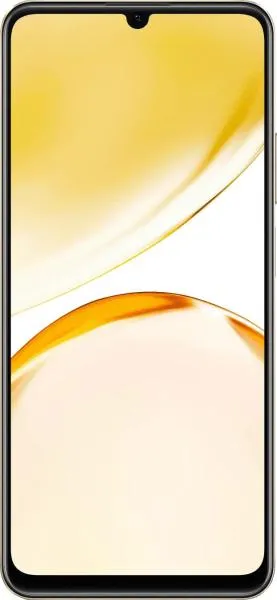
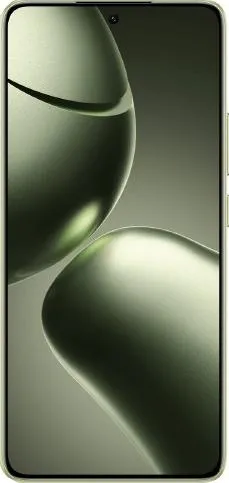
| Feature | Realme C53 | Xiaomi 14T | Practical Impact |
|---|---|---|---|
| Design | |||
| Dimensions (mm) | 167.3 x 76.7 x 7.5 | 160.5 x 75.1 x 7.8 | Xiaomi 14T is slightly shorter, narrower, and thicker but overall more compact. |
| Weight (g) | 182 | 193 | Xiaomi 14T is slightly heavier, which might be noticeable during extended use. |
| Build Materials | Not specified | Not specified | Cannot compare build quality and durability without more information. |
| Display | |||
| Display Type | IPS LCD | AMOLED | Xiaomi 14T offers significantly better contrast, deeper blacks, and more vibrant colors thanks to AMOLED technology. |
| Display Size (inches) | 6.74 | 6.67 | Negligible difference in screen real estate. |
| Resolution | 1080 x 2400 | 1220 x 2712 | Xiaomi 14T has a sharper display with higher pixel density (446 ppi vs 390 ppi), resulting in clearer text and images. |
| Refresh Rate (Hz) | 90 | 144 | Xiaomi 14T offers smoother scrolling and animations due to the higher refresh rate. Noticeable in fast-paced games and UI interactions. |
| Peak Brightness (nits) | 560 | 4000 | Xiaomi 14T is drastically brighter, ensuring excellent outdoor visibility even in direct sunlight. |
| HDR Support | No | HDR10+, Dolby Vision | Xiaomi 14T supports HDR content, providing a wider dynamic range and richer colors in compatible videos and games. |
| Performance | |||
| Chipset | Unisoc Tiger T612 (12 nm) | Mediatek Dimensity 8300 Ultra (4 nm) | Xiaomi 14T boasts a significantly more powerful processor built on a smaller node, resulting in much better performance and efficiency for demanding tasks and gaming. |
| CPU | Octa-core (2x1.8 GHz A75 & 6x1.8 GHz A55) | Octa-core (1x3.35 GHz A715 & 3x3.20 GHz A715 & 4x2.20 GHz A510) | The Xiaomi 14T's CPU architecture and clock speeds are superior, leading to a substantially faster and more responsive user experience. |
| GPU | Mali-G57 | Mali G615-MC6 | Xiaomi 14T has a more capable GPU, delivering better gaming performance and smoother graphics rendering. |
| RAM (GB) | 6/8 | 12 | Xiaomi 14T offers more RAM, allowing for better multitasking and smoother performance with multiple apps open. |
| Camera | |||
| Main Camera (MP) | 50 | 50 | Both have the same resolution, but sensor quality is not fully specified. Xiaomi 14T utilizes a Sony IMX906 sensor, known for its good performance. |
| Ultrawide (MP) | Not specified | 13 | Xiaomi 14T offers an ultrawide lens for capturing wider field of view shots. |
| Telephoto (MP) | Not specified | 50 | Xiaomi 14T includes a telephoto lens enabling optical zoom capabilities. |
| Video Recording | 1080p@30fps | Up to 4K@60fps with HDR, EIS | Xiaomi 14T offers superior video recording capabilities with higher resolution, frame rates, HDR, and electronic image stabilization. |
| Battery | |||
| Capacity (mAh) | 5000 | 5000 | Similar battery capacity, but real-world battery life will depend on software optimization and usage patterns. Xiaomi 14T's more efficient processor might result in longer battery life. |
2. Key Differences Analysis
Xiaomi 14T Advantages:
- Significantly better performance: The Dimensity 8300 Ultra outperforms the Unisoc T612 by a large margin.
- Superior display: AMOLED with 144Hz refresh rate, HDR10+, Dolby Vision, and much higher brightness.
- More versatile camera system: Includes ultrawide and telephoto lenses, 4K video recording with HDR and EIS.
- Faster Connectivity: Includes 5G, WiFi 6E, and Bluetooth 5.4
Realme C53 Advantages:
- Potentially lower price: Based on historical pricing trends, the Realme C53 likely falls into a lower price bracket.
- Lighter weight: Might be preferable for some users seeking a lighter phone.
3. User Profiles & Recommendations
Realme C53: Budget-conscious users who prioritize basic functionality for everyday tasks like calling, texting, social media browsing, and light web browsing.
Xiaomi 14T: Users who demand high performance for gaming, demanding applications, content creation, and media consumption. Photography enthusiasts will appreciate the versatile camera system.
4. Decision Framework
Key Questions:
- What is your budget? The Xiaomi 14T is significantly more expensive.
- What are your primary use cases? Gaming, photography, and demanding tasks favor the Xiaomi 14T. Basic usage favors the Realme C53.
- How important is display quality? The Xiaomi 14T offers a vastly superior display experience.
My Choice: Xiaomi 14T
While significantly more expensive, the Xiaomi 14T offers a drastically better overall user experience. The superior performance, stunning display, versatile camera system, and future-proof connectivity make it a worthwhile investment for a user who values a premium smartphone experience. The Realme C53, while more affordable, compromises too much on performance and key features for my personal preferences. I prioritize a smooth, responsive user experience, a high-quality display, and a capable camera, all of which the Xiaomi 14T delivers.
