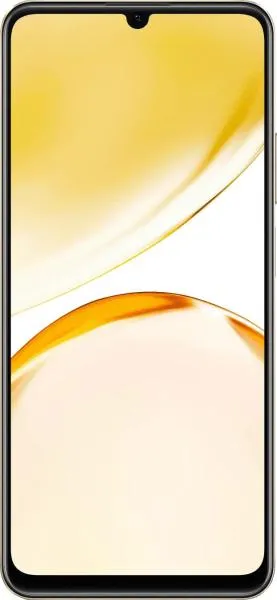

1. Specifications Comparison
| Feature | Realme C53 | Motorola Moto G35 | Practical Impact |
|---|---|---|---|
| Design | |||
| Dimensions (mm) | 167.3 x 76.7 x 7.5 | 166.3 x 76 x 7.8 | Realme C53 is slightly taller and thinner. Negligible difference in daily use. |
| Weight (g) | 182 | 188 | Realme C53 is slightly lighter, but the difference is minimal. |
| Display | |||
| Size (inches) | 6.74 | 6.72 | Virtually identical screen sizes. |
| Resolution (px) | 1080 x 2400 | 1080 x 2400 | Same resolution, offering sharp visuals on both. |
| Panel Type | IPS LCD | IPS LCD | Both use IPS LCD technology, expecting similar color accuracy and viewing angles. |
| Refresh Rate (Hz) | 90 | 120 | Moto G35's 120Hz offers smoother scrolling and animations. |
| Peak Brightness (nits) | 560 | 1000 | Moto G35 significantly brighter, improving outdoor visibility. |
| HDR | No | HDR10 | Moto G35 supports HDR content for better dynamic range and color. |
| Performance | |||
| Chipset | Unisoc Tiger T612 (12nm) | Unisoc T760 (6nm) | Moto G35's 6nm chipset should offer better performance and power efficiency. |
| CPU | Octa-core (2x1.8 GHz A75 & 6x1.8 GHz A55) | Octa-core (1x2.2 GHz A76 & 3x A76 & 4x A55) | Moto G35 boasts a more powerful CPU architecture with higher clock speeds, resulting in faster processing. |
| GPU | Mali-G57 | Mali-G57 MP4 | Moto G35 likely has a more powerful GPU variant (MP4 vs unspecified in Realme), leading to better gaming performance. |
| RAM (GB) | 6/8 | 4/8 | RAM options vary. 8GB provides better multitasking. |
| Camera | |||
| Main Camera (MP) | 50 | 50 | Similar megapixel count, but sensor details are crucial for image quality comparison, which are missing for Realme C53. Moto G35 specifies Samsung S5KJN1 sensor. |
| Selfie Camera (MP) | 8 | 16 | Moto G35 offers a higher resolution selfie camera. |
| Video Recording | 1080p@30fps | 4K@30fps, 1080p@30/120fps | Moto G35 offers significantly better video recording capabilities with 4K resolution and slow-motion options. |
| Battery | |||
| Capacity (mAh) | 5000 | 5000 | Identical battery capacities, expected similar battery life depending on usage and chip efficiency. |
| Other | |||
| NFC | No | Yes | Moto G35 supports contactless payments and data transfer via NFC. |
| OS | Android 13 | Android 14 | Moto G35 comes with a newer Android version, potentially offering more features and longer software support. |
2. Key Differences Analysis
Realme C53 Advantages:
- Potentially Lower Price: More widely available RAM/Storage configuration options might lead to lower entry price points.
Motorola Moto G35 Advantages:
- Superior Performance: More efficient and powerful processor, potentially better for demanding tasks and gaming.
- Smoother Display: 120Hz refresh rate provides a noticeable improvement in user experience.
- Brighter Display: Much higher peak brightness ensures better visibility in sunlight.
- Better Camera Features: Higher resolution selfie camera, 4K video recording, and slow-motion capabilities.
- NFC: Enables contactless payments and other NFC functionalities.
- Newer Android Version: Android 14 offers potential software and security advantages.
Trade-offs:
- The Moto G35's advanced features likely come at a higher price.
3. User Profiles & Recommendations
Realme C53: Budget-conscious users prioritizing basic smartphone functionalities (calling, messaging, social media) without heavy gaming or demanding applications.
Motorola Moto G35: Users seeking a well-rounded experience with smooth performance, a vibrant display, good camera capabilities, and modern features like NFC. Suitable for moderate gaming, media consumption, and multitasking.
4. Decision Framework
Key Questions for Buyers:
- Budget: How much are you willing to spend?
- Performance Needs: Do you require a phone for demanding tasks or gaming?
- Feature Importance: Are features like NFC, a high refresh rate display, and better camera capabilities important?
Scenario-Based Recommendations:
- Tight Budget, Basic Usage: Realme C53
- Balanced Budget, All-Around Performance: Motorola Moto G35
My Choice: Motorola Moto G35
While pricing details aren't fully clear, the Motorola Moto G35 offers significant advantages in performance, display quality, camera features, and overall user experience. The newer chipset, higher refresh rate, brighter screen, better camera capabilities, and inclusion of NFC justify the potential price difference for a user experience that will feel significantly more premium. The Realme C53 seems to target a very budget-conscious market where basic functionality is the priority. However, for a slightly higher investment, the Moto G35's long-term value proposition is superior due to better performance and newer technology.
