1. Specifications Comparison
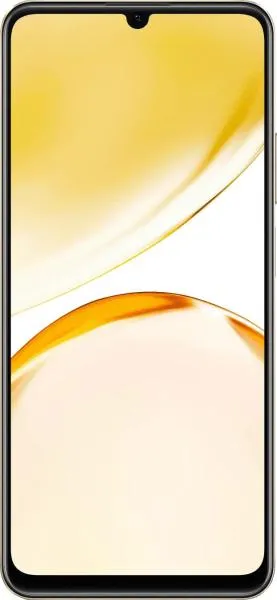
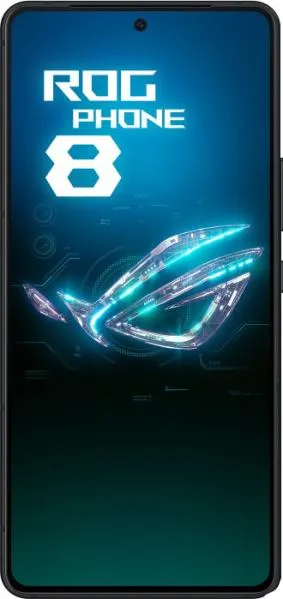
| Feature | Realme C53 | Asus ROG Phone 8 | Practical Impact |
|---|---|---|---|
| Design | |||
| Dimensions (mm) | 167.3 x 76.7 x 7.5 | 163.8 x 76.8 x 8.9 | ROG Phone 8 is slightly shorter and thicker. Negligible difference in width. |
| Weight (g) | 182 | 225 | Realme C53 is significantly lighter, more comfortable for extended use. |
| Build | Not specified | Not specified | Build quality impact on durability is unknown. |
| Display | |||
| Display Type | IPS LCD | LTPO AMOLED | ROG Phone 8 offers superior contrast, deeper blacks, and potentially better power efficiency due to LTPO. |
| Display Size (inches) | 6.74 | 6.78 | Negligible difference in screen size. |
| Resolution (pixels) | 1080 x 2400 | 1080 x 2400 | Identical resolution. |
| Refresh Rate (Hz) | 90 | 165 | ROG Phone 8 provides a much smoother experience, especially noticeable in gaming and scrolling. |
| Peak Brightness (nits) | 560 | 2500 | ROG Phone 8 offers significantly higher peak brightness, ensuring excellent outdoor visibility. |
| Performance | |||
| Chipset | Unisoc Tiger T612 (12 nm) | Qualcomm Snapdragon 8 Gen 3 (4 nm) | ROG Phone 8 boasts vastly superior processing power, enabling demanding tasks and high-end gaming. |
| CPU | Octa-core (2x1.8 GHz Cortex-A75 & 6x1.8 GHz Cortex-A55) | Octa-core (1x3.3 GHz Cortex-X4 & 3x3.2 GHz Cortex-A720 & 2x3.0 GHz Cortex-A720 & 2x2.3 GHz Cortex-A520) | ROG Phone 8 has a significantly faster and more powerful CPU architecture. |
| GPU | Mali-G57 | Adreno 750 | ROG Phone 8's GPU provides a substantial leap in graphics performance for gaming and visually intensive applications. |
| RAM (GB) | 6 | 12/16 | ROG Phone 8 offers more RAM, facilitating smoother multitasking and handling demanding applications. |
| Camera | |||
| Rear Camera (MP) | 50 + 2 | 50 + 13 + 5 | ROG Phone 8 offers a more versatile camera system with an ultrawide and macro lens. |
| Front Camera (MP) | 8 | 32 | ROG Phone 8 has a significantly better front-facing camera for higher quality selfies and video calls. |
| Video Recording | 1080p@30fps | Up to 8K@24fps | ROG Phone 8 supports much higher resolution video recording. |
| Battery | |||
| Capacity (mAh) | 5000 | 5500 | ROG Phone 8 has a slightly larger battery capacity. Real-world battery life depends on usage and optimization. |
2. Key Differences Analysis
Realme C53 Advantages:
- Lighter and potentially more affordable: Offers a more comfortable handling experience and likely a lower price point.
Asus ROG Phone 8 Advantages:
- Significantly more powerful: Superior performance in all aspects, including gaming, multitasking, and demanding applications.
- Higher quality display: AMOLED technology with higher refresh rate and brightness provides a more vibrant and responsive visual experience.
- More versatile camera system: Offers ultrawide and macro lenses for a wider range of photography options.
- Future-proof features: Includes newer connectivity standards (WiFi 7, Bluetooth 5.3) and more software updates guaranteed.
Trade-offs:
- ROG Phone 8's higher price: Significantly more expensive than the Realme C53.
- ROG Phone 8's heavier weight: Less comfortable for extended one-handed use.
3. User Profiles & Recommendations
Realme C53: Budget-conscious users prioritizing basic smartphone functionality: calling, texting, social media browsing, light gaming.
Asus ROG Phone 8: Power users, gamers, and content creators who demand top-tier performance, a premium display, and advanced features. Excellent for demanding mobile gaming, video editing, and multitasking.
4. Decision Framework
Key Questions:
- What is your budget? The ROG Phone 8 is significantly more expensive.
- What are your primary smartphone usage patterns? Basic tasks vs. demanding applications and gaming.
- How important are display quality and camera versatility to you?
Scenario-Based Recommendations:
- Limited Budget, Basic Usage: Realme C53
- Demanding Games and Applications: Asus ROG Phone 8
- Best Possible Display and Future-Proofing: Asus ROG Phone 8
My Choice: Asus ROG Phone 8
While the Realme C53 offers a budget-friendly option, the Asus ROG Phone 8 provides a significantly superior user experience across the board. Its powerful processor, stunning display, versatile camera system, and future-proof features justify the higher price for my needs. As someone who values performance, a smooth user interface, and the ability to handle demanding tasks, the ROG Phone 8 is the clear winner. The longevity provided by confirmed software updates up to Android 16 further solidifies its value proposition. Although heavier, the benefits outweigh the slight discomfort for the significant performance gains.
